







Get in touch

Email: info@knownwell.health
Phone: 339-793-8998

close

Oral vs Injectable Semaglutide: Which Is Right for You?

·
Apr 9, 2026
Patient consider if oral semaglutide is a good option

Oral vs Injectable Semaglutide: Which Is Right for You?

·
Apr 9, 2026
Patient consider if oral semaglutide is a good option

Semaglutide is available as a daily pill or a weekly injection, but the choice between them isn't as simple as: needle or no needle. 

Each form has its own absorption process, dosing requirements, and daily demands. So, what works for one person might not suit another. Here's what you need to know.

Disclaimer: This article is for educational purposes only and doesn’t replace medical advice from a licensed healthcare provider. Semaglutide is a prescription medication and isn’t right for everyone. Treatment decisions, dosing, and timing should always be considered with your care team. 

Quick answer: Does oral semaglutide work as well as injectable?

Both oral and injectable semaglutide have been shown to produce significant results for weight management. But how well they work relies on proper dosing and consistent administration.

Most existing comparisons of oral vs injectable semaglutide come from real-world observational studies of Rybelsus and Ozempic. Both are FDA-approved for type 2 diabetes treatment, not weight management. 

For weight management specifically, the relevant data comes from Wegovy clinical trials.

How semaglutide works in your body

Semaglutide is a GLP-1 receptor agonist. It mimics GLP-1, a hormone your body releases after you eat. This hormone slows digestion, signals fullness to the brain, and helps regulate blood sugar

Semaglutide makes these effects stronger and longer-lasting. So, it addresses the biological factors that make sustained weight management difficult: hunger, fullness, and appetite regulation. 

Both oral and injectable forms contain the same active medication. The difference is how it's delivered and absorbed.

5 key differences between semaglutide pill vs injection

1. How you take it

Both forms of oral semaglutide (the Wegovy pill and Rybelsus) are taken as one tablet daily, first thing in the morning. 

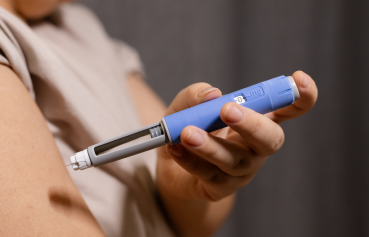
Both forms of injectable semaglutide (the Wegovy injection and Ozempic) are self-injected once a week, at any time of day. 

That daily vs weekly cadence is one of the most significant lifestyle factors to consider.

2. Absorption and bioavailability

Semaglutide breaks down quickly in stomach acid, so oral tablets use a special absorption technology called salcaprozate sodium (SNAC). 

SNAC briefly changes the stomach environment so semaglutide can be absorbed through the stomach’s lining before digestive enzymes break it down.

Even with SNAC, studies show that only about 0.8% of the oral dose reaches the bloodstream under recommended dosing conditions. That's why oral doses are much higher than injectable doses. 

Injectable semaglutide bypasses this process and delivers the medication directly to the bloodstream, with consistent absorption.

3. Dosing options

Medication Doses available FDA-approved for
Oral Wegovy 1.5 mg, 4 mg, 9 mg, 25 mg Chronic weight management
Oral Rybelsus 3 mg, 7 mg, 14 mg* Type 2 diabetes; reducing heart attack and stroke risk in adults with type 2 diabetes
Injectable Wegovy 0.25 mg to 2.4 mg Chronic weight management; lowering risk of heart attack and stroke in adults with obesity or overweight and heart disease
Injectable Ozempic 0.25 mg, 0.5 mg, 1 mg, 2 mg Type 2 diabetes; reducing heart and kidney disease risk in adults with type 2 diabetes
Mounjaro (tirzepatide) FDA-approved for type 2 diabetes and added benefit of weight loss Nausea, vomiting, diarrhea, constipation
Victoza (liraglutide) FDA-approved for type 2 diabetes; supports modest weight loss Nausea, vomiting, diarrhea, constipation
Imcivree (setmelanotide) FDA-approved for weight loss in adults and children 2 years of age and older with genetic obesity Changes to skin colour, nausea

*A second Rybelsus formulation (1.5 mg, 4 mg, 9 mg) is also available. These formulations aren’t interchangeable.

Oral and injectable forms of semaglutide use a gradual dose titration process. You start low and increase the dose about every 4 weeks. Research shows that this approach improves tolerability and reduces the likelihood of people stopping the treatment due to side effects.

4. Administration requirements

Both oral Wegovy and Rybelsus have strict administration rules that don't apply to the injection:

  • Take it on an empty stomach.
  • Swallow it with 4 oz of plain water at most.
  • Wait at least 30 minutes before eating, drinking anything else, or taking other medications.

These requirements exist because food, other drinks, and medications interfere with SNAC absorption. So, breaking these rules can significantly limit how much semaglutide reaches the bloodstream.

Neither injectable Wegovy nor Ozempic have these restrictions. Both can be injected at any time of day, with or without food.

5. FDA-approved uses

This is the most important distinction when comparing semaglutide medications:

This distinction affects insurance coverage as well as clinical oversight. It also shapes how weight management outcomes are studied. 

As a result, all weight management claims in this article refer to Wegovy data only.

Effectiveness for weight management: What the research shows

When comparing forms of semaglutide for weight management, the meaningful data come from Wegovy trials. Rybelsus and Ozempic haven’t been studied for this purpose.

Injectable Wegovy (2.4 mg weekly)

In the STEP 1 clinical trial, people taking injectable Wegovy lost an average of about 14.9% of their body weight over 68 weeks, combined with lifestyle changes.

In other STEP trials of people without type 2 diabetes, results ranged from approximately 16–17%.

Oral Wegovy (25 mg daily)

In the OASIS 4 trial, people taking oral Wegovy at 25 mg lost an average of 13.6% of their body weight at 64 weeks.

What this means in practice

Both Wegovy formulations support clinically meaningful weight management when combined with healthy eating and physical activity. The trials weren't designed to directly compare the pill and injection, so the numbers aren't head-to-head. But they're in a similar range.

For context, real-world data on oral semaglutide from Rybelsus doses up to 14 mg showed more modest results, around 5.7% weight reduction. Patients with diabetes loose less weight

This confirms that the higher doses available with oral Wegovy are linked with greater effectiveness.

Side effects: Oral vs injectable semaglutide

Because both forms contain semaglutide, side effects are similar, though some effects relate to how the medication is administered.

Category Oral semaglutide Injectable semaglutide
Shared side effects Nausea was most common, usually improving over time. Also reported: vomiting, diarrhea, constipation, abdominal pain, bloating, headache, fatigue, dizziness, flatulence, and GERD. Nausea was most common, usually improving over time. Also reported: vomiting, diarrhea, constipation, abdominal pain, bloating, headache, fatigue, dizziness, flatulence, and GERD.
Side effects more specific to the form Skin sensitivity (burning sensations, tingling, or heightened sensitivity to touch) was reported in 4.9% of people taking oral Wegovy. Injection-site reactions (redness, itching, irritation) was reported in 1.4% of people using the injection. Skin sensitivity was less common.
Overall pattern Most side effects are mild to moderate and tend to decrease over time. Most side effects are mild to moderate and tend to decrease over time.

If side effects are concerning or don’t improve, reach out to your care team for guidance.

Black box warning: What you need to know before starting semaglutide

All semaglutide medicationsWegovy (pill and injection), Ozempic, and Rybelsus — carry a black box warning, the FDA's strongest safety warning, regarding thyroid C-cell tumors.

So, don’t take any form of semaglutide if you have a personal or family history of:

  • Medullary thyroid carcinoma
  • Multiple endocrine neoplasia type 2

Your care team will review your full health history before prescribing.

Factors to consider when choosing between the pill and injection

The right form comes down to your lifestyle, health history, and what you can realistically stick with in the long term.

Your daily routine

The oral form works better when your mornings are consistent. Oral Wegovy and Rybelsus must be taken first thing. You’d then wait 30 minutes before eating, drinking anything else, or taking other medications.

If your mornings are unpredictable, or you take other medications right when you wake up, the weekly injection may be a better fit.

Your comfort level

Many people prefer the idea of a pill, but after learning about the oral form's strict requirements, their preferences sometimes shift. 

In one study of people with type 2 diabetes, three times as many participants initially preferred a daily pill over a weekly injectable GLP-1. After learning about the oral form's requirements, however, participants’ preferences shifted significantly.

Neither option is objectively easier. It depends on what feels manageable for your life.

Your health goals

Both oral and injectable Wegovy are approved for chronic weight management, but they differ in dosage and clinical trial data.

If you also have type 2 diabetes, your care team will factor blood sugar management into any recommendations.

Insurance and cost

Coverage for these medications varies significantly depending on your plan and diagnosis. Here's a general overview of cash prices:

  • Oral Wegovy: About $149/month for the 1.5 mg starting dose, rising to $299/month at maintenance
  • Injectable Wegovy: Approximately $349/month at maintenance doses
  • Rybelsus: About $998/month, though insurance coverage for diabetes medications is generally more accessible
  • Ozempic: About $349 per month, though insurance coverage may be more accessible

Insurance coverage for weight management medications is often more limited than for diabetes medications, and it may require prior authorization. Your care team can help you navigate your plan.

Which form might be right for you?

Factor Oral semaglutide Injectable semaglutide
Needle comfort If avoiding needles is a priority If you prefer once-weekly dosing
Morning routine If mornings are consistent, and you can wait 30 minutes before eating or drinking If your mornings are unpredictable or busy
Other morning medications If you don’t take other medications first thing If you take other morning medications
Dosing flexibility Must be taken at the same time each day (on an empty stomach) Can happen any time of day, with or without food
Adherence style Comfortable with a daily routine Prefer less frequent dosing
Maximum dose available Wegovy 25 mg
Rybelsus 14 mg
Wegovy 2.4 mg
Ozempic 2 mg

Working with your care team to decide

You don’t have to consider the pros and cons of oral vs injectable semaglutide alone. Your care team will consider your full health picture, including your medical history, other medications, daily routine, and weight management goals, before they make a recommendation.

Questions worth discussing with your care team include:

  • Which form is more likely to fit my daily routine long-term?
  • How does my insurance coverage differ between the pill and injection?
  • If I start with one form and want to switch, how would that work?
  • What role will my registered dietitian play in supporting my treatment?

Registered dietitians play an important role in supporting people taking GLP-1 therapy, regardless of the form. Nutrition guidance, including how to eat to reduce side effects, support appetite regulation, and build sustainable habits, is a key part of semaglutide treatment.

When medication isn’t enough

Weight management involves more than a pill or injection. Hormones, metabolism, and responses to food all play a role, and these factors vary for everyone. knownwell's whole-person approach is specifically built around that complexity.

What knownwell offers:

  • Clinicians specializing in obesity medicine and metabolic health
  • Registered dietitians providing medical nutrition therapy tailored to GLP-1 treatment
  • Personalized care plans that evolve with your progress
  • Compassionate, judgment-free support focused on your health, not just a number on the scale

Ready to get started?

Whether you're considering oral or injectable semaglutide, or you’re already taking medication, book a call with knownwell to build a sustainable approach that works for your body and your life.

Frequently asked questions

Which is better for weight management: semaglutide pills or injections?

When comparing FDA-approved Wegovy formulations of semaglutide, the oral form works as well as the injectable form for weight management. 

Clinical trials found about 13.6% average body weight reduction with the oral form and about 14.9% with the injection, though the trials weren't designed for a direct comparison.

Can you switch from oral to injectable semaglutide (or vice versa)?

Switching between oral and injectable semaglutide is possible, but it’s important to have your care team's guidance. Dosages, timings, and side effect monitoring all matter when you’re changing forms.

Why does oral semaglutide have to be taken on an empty stomach?

Oral semaglutide needs to be taken on an empty stomach because its SNAC absorption technology relies on specific stomach conditions to work properly.

Food, most beverages, and other medications interfere with this process and significantly reduce how much semaglutide reaches the bloodstream.

Is one form of semaglutide safer than the other?

Neither form of semaglutide is categorically safer than the other. Both have the same side effects profile and carry the same black box warning. 

The right form depends on your health history and what your care team recommends.

How long does it take to see results with semaglutide?

Results build gradually as your dose increases. Both oral and injectable semaglutide have an escalation schedule: the doses increase roughly every 4 weeks until you reach your maintenance dose. 

Most people don't reach a full therapeutic dose until at least 8–17 weeks into the treatment, so meaningful results typically follow that timeline.

In a study of the Wegovy pill that increased the dose up to 25 mg daily, people reached an average 13.6% body weight reduction at 64 weeks, compared with 2.2% for those taking a placebo.

Can you take oral semaglutide if you have trouble swallowing pills?

The pill can't be crushed, cut, chewed, or dissolved: it needs to be swallowed whole. If swallowing pills is difficult, the injectable form is likely a better option. Talk with your care team about your needs.

Can you take semaglutide if you’re pregnant or trying to conceive?

Semaglutide is not recommended during pregnancy. This applies to all semaglutide medications: Wegovy (pill and injection), Ozempic, and Rybelsus.

All three prescribing labels recommend stopping the treatment at least 2 months before a planned pregnancy because of semaglutide's long half-life. 

If you’re pregnant or planning to become pregnant, talk with your care team before starting or continuing to take any form of semaglutide.

Can you breastfeed while taking semaglutide?

This depends on the form. Both oral semaglutide medications (Wegovy pills and Rybelsus) are explicitly not recommended during breastfeeding. 

Both contain SNAC, and because infants may be less able to clear SNAC from their systems, there’s a risk of accumulation.

The guidance for injectable semaglutide (Wegovy injection and Ozempic) is less definitive. The labels recommend weighing up the benefits of breastfeeding against the mother's clinical need for the treatment.

Talk with your care team before breastfeeding if you’re taking any semaglutide medication.

Source list

Boye, K., Ross, M., Mody, R., et al. (2021). Patients' preferences for once-daily oral versus once-weekly injectable diabetes medications: The REVISE study. Diabetes, Obesity and Metabolism, 23(2), 508–519. doi:10.1111/dom.14244. Retrieved from https://pmc.ncbi.nlm.nih.gov/articles/PMC7839441/

Buckley, S. T., Bækdal, T. A., Vegge, A., et al. (2018). Transcellular stomach absorption of a derivatized glucagon-like peptide-1 receptor agonist. Science Translational Medicine, 10(467), eaar7047. doi:10.1126/scitranslmed.aar7047. Retrieved from https://pubmed.ncbi.nlm.nih.gov/30429357/

Collins, L., Costello, R. A. (2024). Glucagon-like peptide-1 receptor agonists. StatPearls. Retrieved from https://www.ncbi.nlm.nih.gov/books/NBK551568/

Despain, D., Hoffman, B. L. (2024). Optimizing nutrition, diet, and lifestyle communication in GLP-1 medication therapy for weight management: A qualitative research study with registered dietitians. Obesity Pillars, 12, 100143. doi:10.1016/j.obpill.2024.100143. Retrieved from https://pmc.ncbi.nlm.nih.gov/articles/PMC11533596/

Eldor, R., Avraham, N., Rosenberg, O., et al. (2025). Gradual titration of semaglutide results in better treatment adherence and fewer adverse events: A randomized controlled open-label pilot study examining a 16-week flexible titration regimen versus label-recommended 8-week semaglutide titration regimen. Diabetes Care, 48(9), 1607–1611. doi:10.2337/dc25-0690. Retrieved from https://diabetesjournals.org/care/article-abstract/48/9/1607/162990/Gradual-Titration-of-Semaglutide-Results-in-Better

Fornes, A., Huff, J., Pritchard, R. I., et al. (2022). Once-weekly semaglutide for weight management: A clinical review. Journal of Pharmacy Technology, 38(4), 239–246. doi:10.1177/87551225221092681. Retrieved from https://pmc.ncbi.nlm.nih.gov/articles/PMC9272494/

Gasoyan, H., Sarwer, D. B. (2022). Addressing insurance-related barriers to novel anti-obesity medications: Lessons to be learned from bariatric surgery. Obesity, 30(12), 2338–2339. doi:10.1002/oby.23556. Retrieved from https://pmc.ncbi.nlm.nih.gov/articles/PMC9691525/

Jolin, J. R., Kwon, M., Brock, E., et al. (2024). Policy interventions to enhance medical care for people with obesity in the United States-challenges, opportunities, and future directions. Milbank Quarterly, 102(2), 336–350. doi:10.1111/1468-0009.12693. Retrieved from https://pmc.ncbi.nlm.nih.gov/articles/PMC11176406/

Kommu, S., Whitfield, P. (2024). Semaglutide. StatPearls. Retrieved from https://www.ncbi.nlm.nih.gov/books/NBK603723/

Krajnc, M., Kuhar, N., Koceva, A. (2025). Oral semaglutide for the treatment of obesity: A retrospective real-world study. Frontiers in Endocrinology, 16, 1593334. doi:10.3389/fendo.2025.1593334. Retrieved from https://pmc.ncbi.nlm.nih.gov/articles/PMC12158668/

Novo Nordisk. (2025). Ozempic list price information. NovoCare. Retrieved from https://www.novocare.com/diabetes/products/ozempic/explaining-list-price.html

Novo Nordisk. (2026). Rybelsus list price information. NovoCare. Retrieved from https://www.novocare.com/diabetes/products/rybelsus/explaining-list-price.html

Novo Nordisk. (2026). Wegovy price guide. NovoCare. Retrieved from https://www.novocare.com/content/dam/novonordisk/novocare/redesign/pdf/Wegovy_Price_Guide.pdf

Overgaard, R. V., Navarria, A., Ingwersen, S. H., et al. (2021). Clinical pharmacokinetics of oral semaglutide: Analyses of data from clinical pharmacology trials. Clinical Pharmacokinetics, 60(10), 1335–1348. doi:10.1007/s40262-021-01025-x. Retrieved from https://pubmed.ncbi.nlm.nih.gov/33969456/

Pinto, M., Brennan, L., Diehl, K., et al. (2024). Real-world comparison of oral versus injectable semaglutide for the reduction of hemoglobin A1C and weight in patients with type 2 diabetes. Journal of Pharmacy Technology, 41(1), 22–31. doi:10.1177/87551225241289959. Retrieved from https://pmc.ncbi.nlm.nih.gov/articles/PMC11559783/

Solis-Herrera, C., Kane, M. P., Triplitt, C. (2023). Current understanding of sodium N-(8-[2-hydroxylbenzoyl] amino) caprylate (SNAC) as an absorption enhancer: The oral semaglutide experience. Clinical Diabetes, 42(1), 74–86. doi:10.2337/cd22-0118. Retrieved from https://pmc.ncbi.nlm.nih.gov/articles/PMC10788673/

Theodorakis, N., Kreouzi, M., Pappas, A., et al. (2024). Beyond calories: Individual metabolic and hormonal adaptations driving variability in weight management-a state-of-the-art narrative review. International Journal of Molecular Sciences, 25(24), 13438. doi:10.3390/ijms252413438. Retrieved from https://pmc.ncbi.nlm.nih.gov/articles/PMC11676201/

U.S. Food and Drug Administration. (2025). OZEMPIC (semaglutide) injection, for subcutaneous use: Prescribing information. Retrieved from https://www.accessdata.fda.gov/drugsatfda_docs/label/2025/209637s025lbl.pdf

U.S. Food and Drug Administration. (2024). RYBELSUS (semaglutide) tablets, for oral use: Prescribing information. Retrieved from https://www.accessdata.fda.gov/drugsatfda_docs/label/2025/213051Orig1s020,213051Orig1s021lbl.pdf

U.S. Food and Drug Administration. (2025). WEGOVY (semaglutide) injection and tablets: Prescribing information. Retrieved from https://www.accessdata.fda.gov/drugsatfda_docs/label/2025/218316Orig1s000lbl.pdf

van Hout, M., Forte, P., Jensen, T. B., et al. (2023). Effect of various dosing schedules on the pharmacokinetics of oral semaglutide: A randomised trial in healthy subjects. Clinical Pharmacokinetics, 62(4), 635–644. doi:10.1007/s40262-023-01223-9. Retrieved from https://pmc.ncbi.nlm.nih.gov/articles/PMC10023024/

Wharton, S., Lingvay, I., Bogdanski, P., et al. (2025). Oral semaglutide at a dose of 25 mg in adults with overweight or obesity. The New England Journal of Medicine, 393(11), 1077–1087. doi:10.1056/NEJMoa2500969. Retrieved from https://www.nejm.org/doi/10.1056/NEJMoa2500969

Wilding, J. P. H., Batterham, R. L., Calanna, S., et al. (2021). Once-weekly semaglutide in adults with overweight or obesity. The New England Journal of Medicine, 384(11), 989–1002. doi:10.1056/NEJMoa2032183. Retrieved from https://www.nejm.org/doi/full/10.1056/NEJMoa2032183

Ready for healthcare that truly knows you?

At knownwell, we offer:

  • Access to GLP-1s when clinically appropriate
  • No membership fees
  • Covered by insurance
  • In-person and virtual visits available
BOOK YOUR FIRST VISIT

Semaglutide is available as a daily pill or a weekly injection, but the choice between them isn't as simple as: needle or no needle. 

Each form has its own absorption process, dosing requirements, and daily demands. So, what works for one person might not suit another. Here's what you need to know.

Disclaimer: This article is for educational purposes only and doesn’t replace medical advice from a licensed healthcare provider. Semaglutide is a prescription medication and isn’t right for everyone. Treatment decisions, dosing, and timing should always be considered with your care team. 

Quick answer: Does oral semaglutide work as well as injectable?

Both oral and injectable semaglutide have been shown to produce significant results for weight management. But how well they work relies on proper dosing and consistent administration.

Most existing comparisons of oral vs injectable semaglutide come from real-world observational studies of Rybelsus and Ozempic. Both are FDA-approved for type 2 diabetes treatment, not weight management. 

For weight management specifically, the relevant data comes from Wegovy clinical trials.

How semaglutide works in your body

Semaglutide is a GLP-1 receptor agonist. It mimics GLP-1, a hormone your body releases after you eat. This hormone slows digestion, signals fullness to the brain, and helps regulate blood sugar

Semaglutide makes these effects stronger and longer-lasting. So, it addresses the biological factors that make sustained weight management difficult: hunger, fullness, and appetite regulation. 

Both oral and injectable forms contain the same active medication. The difference is how it's delivered and absorbed.

5 key differences between semaglutide pill vs injection

1. How you take it

Both forms of oral semaglutide (the Wegovy pill and Rybelsus) are taken as one tablet daily, first thing in the morning. 

Both forms of injectable semaglutide (the Wegovy injection and Ozempic) are self-injected once a week, at any time of day. 

That daily vs weekly cadence is one of the most significant lifestyle factors to consider.

2. Absorption and bioavailability

Semaglutide breaks down quickly in stomach acid, so oral tablets use a special absorption technology called salcaprozate sodium (SNAC). 

SNAC briefly changes the stomach environment so semaglutide can be absorbed through the stomach’s lining before digestive enzymes break it down.

Even with SNAC, studies show that only about 0.8% of the oral dose reaches the bloodstream under recommended dosing conditions. That's why oral doses are much higher than injectable doses. 

Injectable semaglutide bypasses this process and delivers the medication directly to the bloodstream, with consistent absorption.

3. Dosing options

Medication Doses available FDA-approved for
Oral Wegovy 1.5 mg, 4 mg, 9 mg, 25 mg Chronic weight management
Oral Rybelsus 3 mg, 7 mg, 14 mg* Type 2 diabetes; reducing heart attack and stroke risk in adults with type 2 diabetes
Injectable Wegovy 0.25 mg to 2.4 mg Chronic weight management; lowering risk of heart attack and stroke in adults with obesity or overweight and heart disease
Injectable Ozempic 0.25 mg, 0.5 mg, 1 mg, 2 mg Type 2 diabetes; reducing heart and kidney disease risk in adults with type 2 diabetes
Mounjaro (tirzepatide) FDA-approved for type 2 diabetes and added benefit of weight loss Nausea, vomiting, diarrhea, constipation
Victoza (liraglutide) FDA-approved for type 2 diabetes; supports modest weight loss Nausea, vomiting, diarrhea, constipation
Imcivree (setmelanotide) FDA-approved for weight loss in adults and children 2 years of age and older with genetic obesity Changes to skin colour, nausea

*A second Rybelsus formulation (1.5 mg, 4 mg, 9 mg) is also available. These formulations aren’t interchangeable.

Oral and injectable forms of semaglutide use a gradual dose titration process. You start low and increase the dose about every 4 weeks. Research shows that this approach improves tolerability and reduces the likelihood of people stopping the treatment due to side effects.

4. Administration requirements

Both oral Wegovy and Rybelsus have strict administration rules that don't apply to the injection:

  • Take it on an empty stomach.
  • Swallow it with 4 oz of plain water at most.
  • Wait at least 30 minutes before eating, drinking anything else, or taking other medications.

These requirements exist because food, other drinks, and medications interfere with SNAC absorption. So, breaking these rules can significantly limit how much semaglutide reaches the bloodstream.

Neither injectable Wegovy nor Ozempic have these restrictions. Both can be injected at any time of day, with or without food.

5. FDA-approved uses

This is the most important distinction when comparing semaglutide medications:

This distinction affects insurance coverage as well as clinical oversight. It also shapes how weight management outcomes are studied. 

As a result, all weight management claims in this article refer to Wegovy data only.

Effectiveness for weight management: What the research shows

When comparing forms of semaglutide for weight management, the meaningful data come from Wegovy trials. Rybelsus and Ozempic haven’t been studied for this purpose.

Injectable Wegovy (2.4 mg weekly)

In the STEP 1 clinical trial, people taking injectable Wegovy lost an average of about 14.9% of their body weight over 68 weeks, combined with lifestyle changes.

In other STEP trials of people without type 2 diabetes, results ranged from approximately 16–17%.

Oral Wegovy (25 mg daily)

In the OASIS 4 trial, people taking oral Wegovy at 25 mg lost an average of 13.6% of their body weight at 64 weeks.

What this means in practice

Both Wegovy formulations support clinically meaningful weight management when combined with healthy eating and physical activity. The trials weren't designed to directly compare the pill and injection, so the numbers aren't head-to-head. But they're in a similar range.

For context, real-world data on oral semaglutide from Rybelsus doses up to 14 mg showed more modest results, around 5.7% weight reduction. Patients with diabetes loose less weight

This confirms that the higher doses available with oral Wegovy are linked with greater effectiveness.

Side effects: Oral vs injectable semaglutide

Because both forms contain semaglutide, side effects are similar, though some effects relate to how the medication is administered.

Category Oral semaglutide Injectable semaglutide
Shared side effects Nausea was most common, usually improving over time. Also reported: vomiting, diarrhea, constipation, abdominal pain, bloating, headache, fatigue, dizziness, flatulence, and GERD. Nausea was most common, usually improving over time. Also reported: vomiting, diarrhea, constipation, abdominal pain, bloating, headache, fatigue, dizziness, flatulence, and GERD.
Side effects more specific to the form Skin sensitivity (burning sensations, tingling, or heightened sensitivity to touch) was reported in 4.9% of people taking oral Wegovy. Injection-site reactions (redness, itching, irritation) was reported in 1.4% of people using the injection. Skin sensitivity was less common.
Overall pattern Most side effects are mild to moderate and tend to decrease over time. Most side effects are mild to moderate and tend to decrease over time.

If side effects are concerning or don’t improve, reach out to your care team for guidance.

Black box warning: What you need to know before starting semaglutide

All semaglutide medicationsWegovy (pill and injection), Ozempic, and Rybelsus — carry a black box warning, the FDA's strongest safety warning, regarding thyroid C-cell tumors.

So, don’t take any form of semaglutide if you have a personal or family history of:

  • Medullary thyroid carcinoma
  • Multiple endocrine neoplasia type 2

Your care team will review your full health history before prescribing.

Factors to consider when choosing between the pill and injection

The right form comes down to your lifestyle, health history, and what you can realistically stick with in the long term.

Your daily routine

The oral form works better when your mornings are consistent. Oral Wegovy and Rybelsus must be taken first thing. You’d then wait 30 minutes before eating, drinking anything else, or taking other medications.

If your mornings are unpredictable, or you take other medications right when you wake up, the weekly injection may be a better fit.

Your comfort level

Many people prefer the idea of a pill, but after learning about the oral form's strict requirements, their preferences sometimes shift. 

In one study of people with type 2 diabetes, three times as many participants initially preferred a daily pill over a weekly injectable GLP-1. After learning about the oral form's requirements, however, participants’ preferences shifted significantly.

Neither option is objectively easier. It depends on what feels manageable for your life.

Your health goals

Both oral and injectable Wegovy are approved for chronic weight management, but they differ in dosage and clinical trial data.

If you also have type 2 diabetes, your care team will factor blood sugar management into any recommendations.

Insurance and cost

Coverage for these medications varies significantly depending on your plan and diagnosis. Here's a general overview of cash prices:

  • Oral Wegovy: About $149/month for the 1.5 mg starting dose, rising to $299/month at maintenance
  • Injectable Wegovy: Approximately $349/month at maintenance doses
  • Rybelsus: About $998/month, though insurance coverage for diabetes medications is generally more accessible
  • Ozempic: About $349 per month, though insurance coverage may be more accessible

Insurance coverage for weight management medications is often more limited than for diabetes medications, and it may require prior authorization. Your care team can help you navigate your plan.

Which form might be right for you?

Factor Oral semaglutide Injectable semaglutide
Needle comfort If avoiding needles is a priority If you prefer once-weekly dosing
Morning routine If mornings are consistent, and you can wait 30 minutes before eating or drinking If your mornings are unpredictable or busy
Other morning medications If you don’t take other medications first thing If you take other morning medications
Dosing flexibility Must be taken at the same time each day (on an empty stomach) Can happen any time of day, with or without food
Adherence style Comfortable with a daily routine Prefer less frequent dosing
Maximum dose available Wegovy 25 mg
Rybelsus 14 mg
Wegovy 2.4 mg
Ozempic 2 mg

Working with your care team to decide

You don’t have to consider the pros and cons of oral vs injectable semaglutide alone. Your care team will consider your full health picture, including your medical history, other medications, daily routine, and weight management goals, before they make a recommendation.

Questions worth discussing with your care team include:

  • Which form is more likely to fit my daily routine long-term?
  • How does my insurance coverage differ between the pill and injection?
  • If I start with one form and want to switch, how would that work?
  • What role will my registered dietitian play in supporting my treatment?

Registered dietitians play an important role in supporting people taking GLP-1 therapy, regardless of the form. Nutrition guidance, including how to eat to reduce side effects, support appetite regulation, and build sustainable habits, is a key part of semaglutide treatment.

When medication isn’t enough

Weight management involves more than a pill or injection. Hormones, metabolism, and responses to food all play a role, and these factors vary for everyone. knownwell's whole-person approach is specifically built around that complexity.

What knownwell offers:

  • Clinicians specializing in obesity medicine and metabolic health
  • Registered dietitians providing medical nutrition therapy tailored to GLP-1 treatment
  • Personalized care plans that evolve with your progress
  • Compassionate, judgment-free support focused on your health, not just a number on the scale

Ready to get started?

Whether you're considering oral or injectable semaglutide, or you’re already taking medication, book a call with knownwell to build a sustainable approach that works for your body and your life.

Frequently asked questions

Which is better for weight management: semaglutide pills or injections?

When comparing FDA-approved Wegovy formulations of semaglutide, the oral form works as well as the injectable form for weight management. 

Clinical trials found about 13.6% average body weight reduction with the oral form and about 14.9% with the injection, though the trials weren't designed for a direct comparison.

Can you switch from oral to injectable semaglutide (or vice versa)?

Switching between oral and injectable semaglutide is possible, but it’s important to have your care team's guidance. Dosages, timings, and side effect monitoring all matter when you’re changing forms.

Why does oral semaglutide have to be taken on an empty stomach?

Oral semaglutide needs to be taken on an empty stomach because its SNAC absorption technology relies on specific stomach conditions to work properly.

Food, most beverages, and other medications interfere with this process and significantly reduce how much semaglutide reaches the bloodstream.

Is one form of semaglutide safer than the other?

Neither form of semaglutide is categorically safer than the other. Both have the same side effects profile and carry the same black box warning. 

The right form depends on your health history and what your care team recommends.

How long does it take to see results with semaglutide?

Results build gradually as your dose increases. Both oral and injectable semaglutide have an escalation schedule: the doses increase roughly every 4 weeks until you reach your maintenance dose. 

Most people don't reach a full therapeutic dose until at least 8–17 weeks into the treatment, so meaningful results typically follow that timeline.

In a study of the Wegovy pill that increased the dose up to 25 mg daily, people reached an average 13.6% body weight reduction at 64 weeks, compared with 2.2% for those taking a placebo.

Can you take oral semaglutide if you have trouble swallowing pills?

The pill can't be crushed, cut, chewed, or dissolved: it needs to be swallowed whole. If swallowing pills is difficult, the injectable form is likely a better option. Talk with your care team about your needs.

Can you take semaglutide if you’re pregnant or trying to conceive?

Semaglutide is not recommended during pregnancy. This applies to all semaglutide medications: Wegovy (pill and injection), Ozempic, and Rybelsus.

All three prescribing labels recommend stopping the treatment at least 2 months before a planned pregnancy because of semaglutide's long half-life. 

If you’re pregnant or planning to become pregnant, talk with your care team before starting or continuing to take any form of semaglutide.

Can you breastfeed while taking semaglutide?

This depends on the form. Both oral semaglutide medications (Wegovy pills and Rybelsus) are explicitly not recommended during breastfeeding. 

Both contain SNAC, and because infants may be less able to clear SNAC from their systems, there’s a risk of accumulation.

The guidance for injectable semaglutide (Wegovy injection and Ozempic) is less definitive. The labels recommend weighing up the benefits of breastfeeding against the mother's clinical need for the treatment.

Talk with your care team before breastfeeding if you’re taking any semaglutide medication.

Source list

Boye, K., Ross, M., Mody, R., et al. (2021). Patients' preferences for once-daily oral versus once-weekly injectable diabetes medications: The REVISE study. Diabetes, Obesity and Metabolism, 23(2), 508–519. doi:10.1111/dom.14244. Retrieved from https://pmc.ncbi.nlm.nih.gov/articles/PMC7839441/

Buckley, S. T., Bækdal, T. A., Vegge, A., et al. (2018). Transcellular stomach absorption of a derivatized glucagon-like peptide-1 receptor agonist. Science Translational Medicine, 10(467), eaar7047. doi:10.1126/scitranslmed.aar7047. Retrieved from https://pubmed.ncbi.nlm.nih.gov/30429357/

Collins, L., Costello, R. A. (2024). Glucagon-like peptide-1 receptor agonists. StatPearls. Retrieved from https://www.ncbi.nlm.nih.gov/books/NBK551568/

Despain, D., Hoffman, B. L. (2024). Optimizing nutrition, diet, and lifestyle communication in GLP-1 medication therapy for weight management: A qualitative research study with registered dietitians. Obesity Pillars, 12, 100143. doi:10.1016/j.obpill.2024.100143. Retrieved from https://pmc.ncbi.nlm.nih.gov/articles/PMC11533596/

Eldor, R., Avraham, N., Rosenberg, O., et al. (2025). Gradual titration of semaglutide results in better treatment adherence and fewer adverse events: A randomized controlled open-label pilot study examining a 16-week flexible titration regimen versus label-recommended 8-week semaglutide titration regimen. Diabetes Care, 48(9), 1607–1611. doi:10.2337/dc25-0690. Retrieved from https://diabetesjournals.org/care/article-abstract/48/9/1607/162990/Gradual-Titration-of-Semaglutide-Results-in-Better

Fornes, A., Huff, J., Pritchard, R. I., et al. (2022). Once-weekly semaglutide for weight management: A clinical review. Journal of Pharmacy Technology, 38(4), 239–246. doi:10.1177/87551225221092681. Retrieved from https://pmc.ncbi.nlm.nih.gov/articles/PMC9272494/

Gasoyan, H., Sarwer, D. B. (2022). Addressing insurance-related barriers to novel anti-obesity medications: Lessons to be learned from bariatric surgery. Obesity, 30(12), 2338–2339. doi:10.1002/oby.23556. Retrieved from https://pmc.ncbi.nlm.nih.gov/articles/PMC9691525/

Jolin, J. R., Kwon, M., Brock, E., et al. (2024). Policy interventions to enhance medical care for people with obesity in the United States-challenges, opportunities, and future directions. Milbank Quarterly, 102(2), 336–350. doi:10.1111/1468-0009.12693. Retrieved from https://pmc.ncbi.nlm.nih.gov/articles/PMC11176406/

Kommu, S., Whitfield, P. (2024). Semaglutide. StatPearls. Retrieved from https://www.ncbi.nlm.nih.gov/books/NBK603723/

Krajnc, M., Kuhar, N., Koceva, A. (2025). Oral semaglutide for the treatment of obesity: A retrospective real-world study. Frontiers in Endocrinology, 16, 1593334. doi:10.3389/fendo.2025.1593334. Retrieved from https://pmc.ncbi.nlm.nih.gov/articles/PMC12158668/

Novo Nordisk. (2025). Ozempic list price information. NovoCare. Retrieved from https://www.novocare.com/diabetes/products/ozempic/explaining-list-price.html

Novo Nordisk. (2026). Rybelsus list price information. NovoCare. Retrieved from https://www.novocare.com/diabetes/products/rybelsus/explaining-list-price.html

Novo Nordisk. (2026). Wegovy price guide. NovoCare. Retrieved from https://www.novocare.com/content/dam/novonordisk/novocare/redesign/pdf/Wegovy_Price_Guide.pdf

Overgaard, R. V., Navarria, A., Ingwersen, S. H., et al. (2021). Clinical pharmacokinetics of oral semaglutide: Analyses of data from clinical pharmacology trials. Clinical Pharmacokinetics, 60(10), 1335–1348. doi:10.1007/s40262-021-01025-x. Retrieved from https://pubmed.ncbi.nlm.nih.gov/33969456/

Pinto, M., Brennan, L., Diehl, K., et al. (2024). Real-world comparison of oral versus injectable semaglutide for the reduction of hemoglobin A1C and weight in patients with type 2 diabetes. Journal of Pharmacy Technology, 41(1), 22–31. doi:10.1177/87551225241289959. Retrieved from https://pmc.ncbi.nlm.nih.gov/articles/PMC11559783/

Solis-Herrera, C., Kane, M. P., Triplitt, C. (2023). Current understanding of sodium N-(8-[2-hydroxylbenzoyl] amino) caprylate (SNAC) as an absorption enhancer: The oral semaglutide experience. Clinical Diabetes, 42(1), 74–86. doi:10.2337/cd22-0118. Retrieved from https://pmc.ncbi.nlm.nih.gov/articles/PMC10788673/

Theodorakis, N., Kreouzi, M., Pappas, A., et al. (2024). Beyond calories: Individual metabolic and hormonal adaptations driving variability in weight management-a state-of-the-art narrative review. International Journal of Molecular Sciences, 25(24), 13438. doi:10.3390/ijms252413438. Retrieved from https://pmc.ncbi.nlm.nih.gov/articles/PMC11676201/

U.S. Food and Drug Administration. (2025). OZEMPIC (semaglutide) injection, for subcutaneous use: Prescribing information. Retrieved from https://www.accessdata.fda.gov/drugsatfda_docs/label/2025/209637s025lbl.pdf

U.S. Food and Drug Administration. (2024). RYBELSUS (semaglutide) tablets, for oral use: Prescribing information. Retrieved from https://www.accessdata.fda.gov/drugsatfda_docs/label/2025/213051Orig1s020,213051Orig1s021lbl.pdf

U.S. Food and Drug Administration. (2025). WEGOVY (semaglutide) injection and tablets: Prescribing information. Retrieved from https://www.accessdata.fda.gov/drugsatfda_docs/label/2025/218316Orig1s000lbl.pdf

van Hout, M., Forte, P., Jensen, T. B., et al. (2023). Effect of various dosing schedules on the pharmacokinetics of oral semaglutide: A randomised trial in healthy subjects. Clinical Pharmacokinetics, 62(4), 635–644. doi:10.1007/s40262-023-01223-9. Retrieved from https://pmc.ncbi.nlm.nih.gov/articles/PMC10023024/

Wharton, S., Lingvay, I., Bogdanski, P., et al. (2025). Oral semaglutide at a dose of 25 mg in adults with overweight or obesity. The New England Journal of Medicine, 393(11), 1077–1087. doi:10.1056/NEJMoa2500969. Retrieved from https://www.nejm.org/doi/10.1056/NEJMoa2500969

Wilding, J. P. H., Batterham, R. L., Calanna, S., et al. (2021). Once-weekly semaglutide in adults with overweight or obesity. The New England Journal of Medicine, 384(11), 989–1002. doi:10.1056/NEJMoa2032183. Retrieved from https://www.nejm.org/doi/full/10.1056/NEJMoa2032183

Oral vs Injectable Semaglutide: Which Is Right for You?

Read more

Heading

Read more