












The Wegovy® dosing schedule is built for once-weekly dosing, so the right timing is the one you can stick with. The time of day won’t change how Wegovy® works, but it can affect the onset of potential side effects.
Disclaimer: There are currently no clinical trials showing that the time of day you take Wegovy® changes how well it works or whether you experience side effects like nausea. While people taking Wegovy® often share personal preferences around timing, these approaches are based on practical experience rather than evidence.
When is the best time to take Wegovy®?
There’s no best time to take Wegovy®, and there’s no medically correct hour to choose. It can be taken at any time of day.
But how you time it plays a real role in how manageable the experience feels week to week.
What actually matters (and what doesn’t)
Taking Wegovy® on the same day each week is essential for steady levels. Doing this also helps keep dosing predictable, even though the time of day itself is flexible.
The choice of when to inject Wegovy® matters most because side effects like nausea, vomiting, fatigue, and stomach discomfort may happen, especially when you're just starting the medication or increasing your dose.
Most people get these side effects during the first few weeks when they're going from a low dose to a higher one. The effects are often mild and improve as your body adjusts.
Important safety information
Wegovy® has an FDA “black box” warning, which is the strongest type of safety warning. It’s based on studies in animals that showed an increased risk of thyroid tumors. Individuals with a personal or family history of medullary thyroid carcinoma (MTC) or Multiple Endocrine Neoplasia Type 2 should not use Wegovy®.
You also should not use Wegovy® if you’ve ever had a serious allergic reaction to semaglutide or any of its ingredients.
Serious side effects are rare but can include pancreas inflammation, gallbladder problems, kidney injury, serious allergic reactions, eye problems in people with diabetes, low blood sugar (when used with insulin or certain diabetes pills), faster heart rate, mood changes or suicidal thoughts, and breathing problems during surgery or deep sedation.
This is not a full list of risks. You should read the full prescribing information and talk with a healthcare professional before starting Wegovy®.
What is the Wegovy® dosing schedule?
The Wegovy® dosing schedule is a gradual, weekly dose-escalation designed to help your body adjust and reduce the risk of side effects.
How do you take Wegovy®?
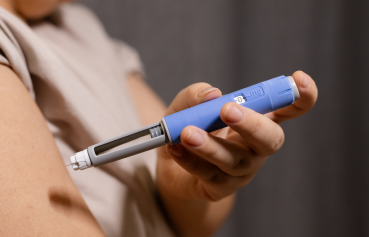
You take Wegovy® as a once-weekly injection. It should be injected on the same day each week, at any time of day, with or without food.
The medicine comes in prefilled, single‑dose pens. You use one pen for each dose and then throw it away.
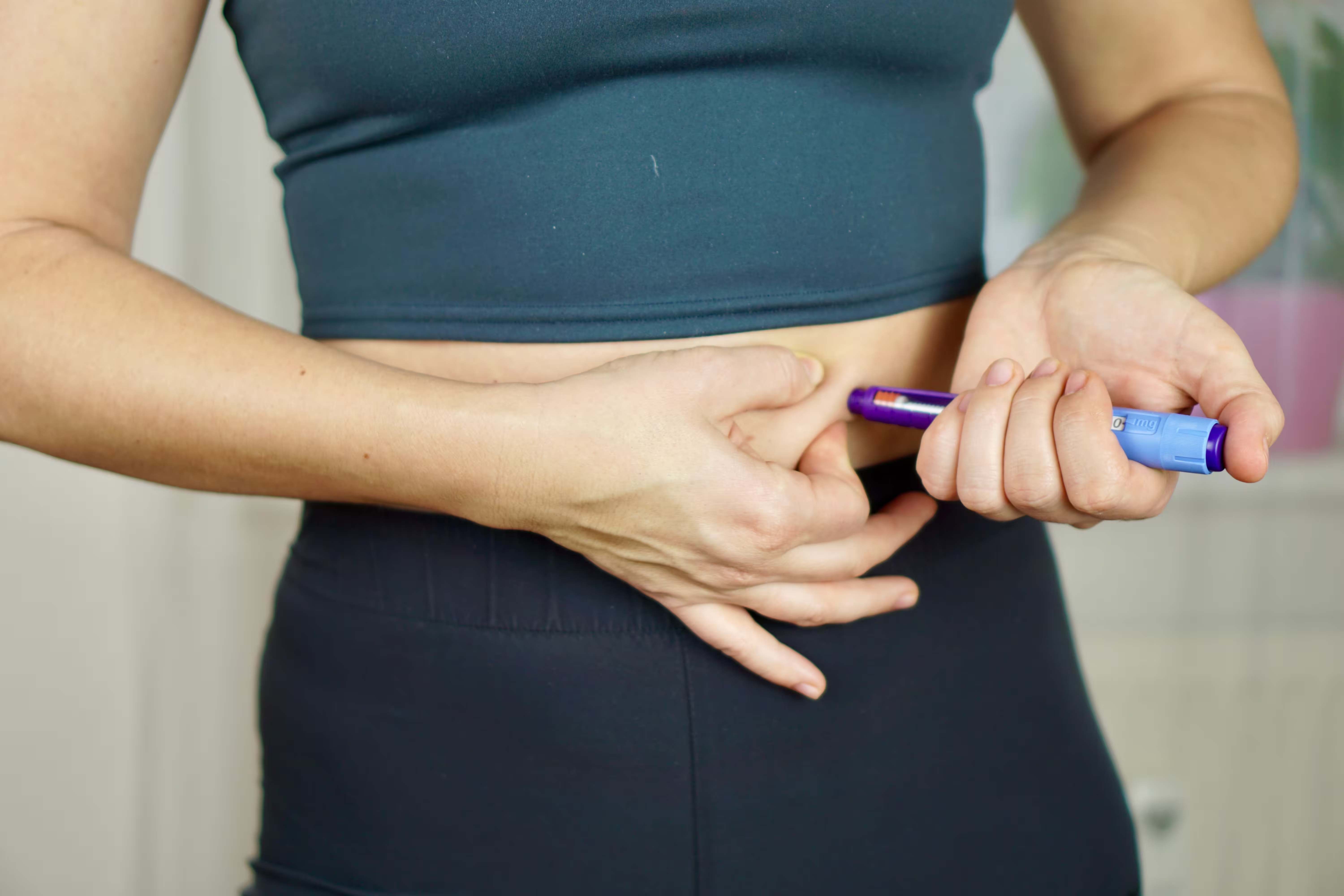
Wegovy® is injected under the skin (subcutaneous injection), not into muscle. Common injection sites include the abdomen, thigh, and upper arm.
Many people find it easiest to pick one day each week, choose the injection site that feels most comfortable, and stick to a routine they can repeat week after week.
Why is Wegovy® timing so important?
Timing your dose is important because side effects can impact your daily routine, so choosing a consistent injection time that fits your schedule can help you anticipate and manage symptoms.
Semaglutide levels typically reach their highest point within about 1–3 days after injection, though the exact timing varies between individuals and can range from about 12 hours to over three days, depending on factors like dose, body weight, and individual metabolism.
Because of this long half‑life and relatively stable weekly exposure, the specific time of day you inject is not expected to meaningfully impact how Wegovy® works over the week, as long as you keep injections one week apart.
Some people use this window to plan their injection day according to when they can best manage gastrointestinal side effects, whether that's around work, sleep, or social plans.
It can be helpful to:
- dose at a time that allows rest and recovery if symptoms do show up
- choose a schedule that fits around workdays, travel, or family life
Helpful Wegovy® timing strategies
You might hear about common timing approaches from others taking Wegovy®, but these are based on personal preference and practical experience, not clinical evidence.
Clinical trials have not specifically studied whether the time of day you take Wegovy® changes how well it works or whether you experience side effects. The prescribing information simply states it can be taken at any time of day.
Still, timing comes up because people want a schedule that feels manageable. One reason day-of-week planning can feel helpful is Wegovy®'s pharmacokinetics (how it moves through the body). It reaches its highest concentration about 1–3 days after an injection.
This doesn't mean side effects will happen on a set schedule, but it can help some people decide which days feel easiest to keep flexible, especially when starting Wegovy® or moving to a higher dose.
1. Evening or bedtime dosing
While clinical studies haven't identified a perfect time, many patients develop personal preferences based on their own schedules.
Some people choose to inject in the evening or right before bed. The logic is that sleeping through the first few hours can help them miss the initial onset of any nausea.
Keep in mind, these choices are about making treatment easier to live with. They don’t change how Wegovy® works or whether side effects can occur.
2. Morning dosing
Morning dosing for consistency with other daily habits can be helpful for some people.
For example, you can pair Wegovy® with a morning routine or other medications.
3. Weekend or day-off dosing
Some people prefer to take their dose on a Friday or a day off. This strategy gives them the weekend to rest and manage potential side effects. Because Wegovy® peaks 1–3 days after the injection, knownwell advises this approach for the first dose or during dose increases.
How to manage Wegovy® side effects
These clinical recommendations can help you manage common Wegovy® side effects by adjusting eating habits, food choices, and daily routines.
Make meals easier to tolerate
These eating habits can help reduce nausea, reflux, and stomach discomfort by making meals easier to tolerate.
- Eat slowly
- Eat only when you’re truly hungry
- Choose smaller portions
- Don’t lie down right after eating; ideally wait 2-3 hours before lying flat
- Increase meal frequency (eat smaller meals more often)
- Avoid oily, greasy food
- Don’t use a straw, which can increase swallowed air and make bloating worse
- Limit distractions while eating, so you can slow down and notice fullness cues
- Limit intense activity right after meals
- Don’t eat close to bedtime, especially if reflux or nausea is an issue
Go with simpler food choices
When symptoms are active, these food choices can feel easier on your stomach:
- Follow a low-fat eating pattern
- Use boiling, oven, or griddle cooking methods
- Stick to clear drinks (small sips, not too much)
- Choose water-rich foods
- Limit sweets, dressings, spicy foods, or canned foods
Practice simple habits that can help
Finally, these two habits can support comfort and help you identify triggers:
- Get fresh air and light exercise
- Keep a food diary to identify foods or meal timings that make symptoms worse
Choosing a Wegovy® dosing schedule that fits your life
Wegovy® is taken once a week. The most important thing is keeping a steady weekly schedule so you don’t take the dose too early or too late.
Because side effects like nausea or stomach discomfort can affect daily life, you and your care team can work together to choose a dosing routine that’s easy to remember and fits with work, family, and sleep patterns.
Remember, these timing choices are about comfort and sticking with treatment, not about changing how well Wegovy® works or whether side effects can happen.
In practice, many people plan their dosing around lifestyle patterns to support consistency and minimize disruption from side effects.
Here are some tips to help you plan your dosing schedule:
- Pick a day and time you can remember: Some people choose a specific day and time each week, like Sunday evening, and stick with that pattern even when their routine changes.
- Plan around the days after your injection: Semaglutide levels peak about 1–3 days after injection, and stomach-related side effects like nausea or abdominal discomfort are most common early in treatment and during dose increases. Consider an injection day when you’re more likely to be home or have flexibility.
- Give it a few weeks, then adjust: Pay attention to side effects, energy levels, and how you feel day to day, then fine-tune your timing or dose with your care team if needed.
Adjusting for travel, shift work, or busy weeks
If life events make it hard to stay on schedule, your care team can help you adjust while keeping doses roughly a week apart.
Wegovy® is designed for once‑weekly use on the same day each week. If you ever miss a dose, you can take it as soon as possible if your next one is more than 48 hours away.
If it’s less than 48 hours until your next injection, skip the missed dose and take your next one on the regular day.
The key is to avoid giving two doses within 48 hours of each other and to return to your steady weekly pattern as soon as possible.
When should you contact your care team?
You should contact your care team if side effects are severe or ongoing, or if they make it hard to eat, drink, or get through your day. Your care team can help by slowing the dose-escalation schedule and offering additional support to improve tolerability.
How knownwell can help
Starting Wegovy® and staying on it often comes with questions, adjustments, and real-life challenges. But with knownwell, you don’t have to figure it out alone.
Our care team can help you:
- Understand the Wegovy® dosage chart and what to expect as your dose changes
- Manage side effects with practical, personalized strategies
- Decide when it makes sense to slow dose increases if symptoms interfere with daily life
- Build a routine that fits your work schedule, travel, and family commitments
- Check in regularly so concerns are addressed early
If side effects show up or your routine stops working, we’ll help you troubleshoot and adjust your plan so it keeps fitting your life.
Check in with your provider if side effects feel impactful and disruptive. You shouldn’t suffer in silence. Our team will work with you to troubleshoot any symptoms that arise.
knownwell offers:
- An expert care team: Doctors and registered dietitians who support medication, nutrition, and long-term weight management
- Virtual visits: Available from home in all 50 states
- In-person clinics: Boston area, Chicago, Dallas-Fort Worth area, New York City, and Atlanta
- Insurance accepted: Many major plans offer coverage
Ready for more support? Book a visit with knownwell to talk through your Wegovy® dosing schedule, side effect management, and a routine you can stick with week after week.
Frequently asked questions
What is the best time of day to take semaglutide?
There’s no proven best time of day to take Wegovy® or semaglutide. It can be taken any time of day, with or without meals. But it must be taken on the same day each week due to its 7-day half-life.
Can I change my Wegovy® injection time each week?
Yes, small changes in timing are usually fine, but it’s best to take Wegovy® on the same day each week.
Keeping a consistent weekly schedule helps maintain steady medication levels and makes dosing easier to remember.
Should I take Wegovy® with food?
Wegovy® can be taken with or without food. There’s no evidence that food changes how the once-weekly Wegovy® injection works.
What should I do if I feel nauseated after my injection?
If you feel nauseated after injecting Wegovy®, try smaller, slower meals with bland, low‑fat foods (like crackers, toast, and soup), sip clear fluids regularly, and avoid lying down or doing intense activity right after eating.
If nausea is recurrent or makes it hard to eat and drink, notify your care team. They can slow dose increases, maintain you at a lower dose, or prescribe an anti‑nausea medicine.
Contact your care team urgently if you have repeated vomiting, severe abdominal pain, can’t keep fluids down, or have signs of dehydration such as dizziness or very dark urine.
How long after injection do side effects start?
Side effects can occur at different times for different people, especially when starting Wegovy® or increasing the dose.
There is no predictable timeline for when side effects begin or how long they last.
What if I miss or delay a Wegovy® dose?
If you miss a dose, follow your prescribing guidance for when to take the next injection. In general, taking Wegovy® on the same day each week is more important than the exact time of day.
If you’re unsure what to do after a missed dose, check in with your care team.
When should I contact my care team about side effects?
You should contact your care team if side effects are severe, persistent, or interfere with daily activities, eating, or hydration.
Your care team can help adjust dosing, slow escalation, or offer additional strategies to improve tolerability.
Sources list
Chao, A. M. (2022). Clinical insight on semaglutide for chronic weight management. Drug Design, Development and Therapy, 16, 4449-4461. doi:10.2147/DDDT.S365416. Retrieved from https://pmc.ncbi.nlm.nih.gov/articles/PMC9807016/
Fornes, A., Huff, J., Pritchard, R. I., et al. (2022). Once-weekly semaglutide for weight management: A clinical review. Journal of Pharmacy Technology, 38(4), 239-246. doi:10.1177/87551225221092681. Retrieved from https://pmc.ncbi.nlm.nih.gov/articles/PMC9272494/
Gallwitz, B., Giorgino, F. (2021). Clinical perspectives on the use of subcutaneous and oral formulations of semaglutide. Frontiers in Endocrinology, 12, 645507. doi:10.3389/fendo.2021.645507. Retrieved from https://pmc.ncbi.nlm.nih.gov/articles/PMC8276717/
Gorgojo-Martínez, J. J., Mezquita-Raya, P., Cueto-Galán, R., et al. (2022). Clinical recommendations to manage gastrointestinal adverse events in patients treated with GLP-1 receptor agonists: A multidisciplinary expert consensus. Journal of Clinical Medicine, 12(1), 145. doi:10.3390/jcm12010145. Retrieved from https://pmc.ncbi.nlm.nih.gov/articles/PMC9821052/
Huang, X., Wu, M., Huang, B., et al. (2025). Gastrointestinal adverse events associated with GLP-1 receptor agonists in the treatment of metabolic dysfunction-associated steatotic liver disease (MASLD): A systematic review and meta-analysis. Frontiers in Medicine (Lausanne), 12, 1509947. doi:10.3389/fmed.2025.1509947. Retrieved from https://pmc.ncbi.nlm.nih.gov/articles/PMC11882565/
Huang, X., Wu, M., Lin, J., et al. (2024). Gastrointestinal safety evaluation of semaglutide for the treatment of overweight or obesity: A meta-analysis of randomized controlled trials. Medicine, 103(21), e38236. doi:10.1097/MD.0000000000038236. Retrieved from https://pmc.ncbi.nlm.nih.gov/articles/PMC11124640/
Madsen, L. W., Knauf, J. A., Gotfredsen, C., et al. (2012). GLP-1 Receptor Agonists and the Thyroid: C-Cell Effects in Mice Are Mediated via the GLP-1 Receptor and not Associated with RET Activation. Endocrinology, 153(3), 1538–1547. doi:10.1210/en.2011-1864. Retrieved from https://pmc.ncbi.nlm.nih.gov/articles/PMC3281535/
Petri, K. C. C., Ingwersen, S. H., Flint, A., et al. (2018). Exposure-response analysis for evaluation of semaglutide dose levels in type 2 diabetes. Diabetes, Obesity and Metabolism, 20(9), 2238–2245. doi:10.1111/dom.13358. Retrieved from https://pmc.ncbi.nlm.nih.gov/articles/PMC6099226/
Smits, M. M., Van Raalte, D. H. (2021). Safety of semaglutide. Frontiers in Endocrinology, 12, 645563. doi:10.3389/fendo.2021.645563. Retrieved from https://pmc.ncbi.nlm.nih.gov/articles/PMC8294388/
Taylor, K., Tripathi, A.K. (2025). Adult dehydration. StatPearls. Retrieved on Jan 12, 2026, from https://www.ncbi.nlm.nih.gov/books/NBK555956/
U.S. Food and Drug Administration. (2025). Highlights of prescribing information, Wegovy® (semaglutide) injection, for subcutaneous use. Retrieved from https://www.accessdata.fda.gov/drugsatfda_docs/label/2025/215256s024lbl.pdf
Wharton, S., Calanna, S., Davies, M., et al. (2022). Gastrointestinal tolerability of once-weekly semaglutide 2.4 mg in adults with overweight or obesity, and the relationship between gastrointestinal adverse events and weight loss. Diabetes, Obesity and Metabolism, 24(1), 94-105. doi:10.1111/dom.14551. Retrieved from https://pmc.ncbi.nlm.nih.gov/articles/PMC9293236/
Yang, X. D., Yang, Y. Y. (2024). Clinical pharmacokinetics of semaglutide: A systematic review. Drug Design, Development and Therapy, 18, 2555-2570. doi:10.2147/DDDT.S470826. Retrieved from https://pmc.ncbi.nlm.nih.gov/articles/PMC11215664/
