



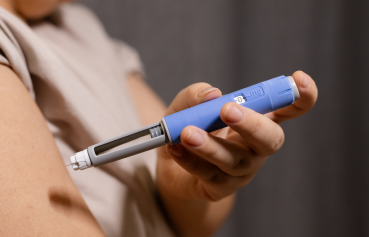









If you're navigating weight management after pregnancy, you may be wondering when it's safe to start or restart a glucagon-like peptide-1 (GLP-1) medication like Wegovy® or Zepbound®.
The answer depends on a few key factors, including whether you're breastfeeding, how your body is recovering, and your overall health.Your care team can help you find the right timing to take a GLP-1 postpartum that works for you and your baby.
Disclaimer: This information is for educational purposes only and does not constitute medical advice. Consult your healthcare provider before starting any medication.
Can you take GLP-1s postpartum? The quick answer
GLP-1s postpartum are not US Food and Drug Administration (FDA)-approved. Your care team may consider prescribing them after carefully evaluating your individual circumstances, including your breastfeeding status, recovery progress, and overall health needs.
Guidance differs between GLP-1 medications. A 2023 review found no human studies on GLP-1s during breastfeeding. Animal studies showed these medications pass into milk and affect baby growth.
Because we lack human safety data, the review recommends waiting until you're done breastfeeding before starting GLP-1s.
Newer research on semaglutide that tested breast milk from eight nursing mothers found no semaglutide in any samples. In a worst-case scenario, a baby would get no more than 1.26% of the mother's dose, which is far below the 10% safety threshold.
For tirzepatide (Zepbound®), the FDA has not approved its use while breastfeeding. Because there's no safety data yet, your care team will weigh your health needs, your breastfeeding goals, and any potential effects on your baby before making a recommendation.
You should talk with your care team about the ideal timing for you based on your feeding plan, recovery, and medical history.The answer depends on a few key factors, including whether you're breastfeeding, how your body is recovering, and your overall health. : The use of GLP-1 medications for postpartum weight management is not FDA-approved and is considered off-label use. The safety and efficacy of these medications have not been established in postpartum populations.
Why postpartum weight management feels urgent (but doesn't have to be)
Postpartum weight management can feel urgent because the weeks after delivery involve rapid hormonal shifts that directly affect appetite, metabolic rate, and blood sugar control.
Postpartum weight retention is common, with up to 20% of women retaining 4 kg (approximately 9 lbs) one year after giving birth. Factors like changes in diet and less physical activity are linked to retaining weight.
Sleep disruption is another major factor. New mothers often experience fragmented sleep due to frequent nighttime feedings and baby care. Research links short sleep to changes in hunger hormones and to higher calorie intake, which can make weight management harder in early postpartum life. Decreased sleep leads to an increase in ghrelin hormone and a decrease in leptin hormone, which results in less regulated appetite.
Rather than rushing to resume medication, coordinating your GLP-1 restart with multiple postpartum check-ins with both your obstetric and metabolic care teams provides better support for your long-term health.
When can you start GLP-1 medications after delivery?
If you’re not breastfeeding, you may be able to restart GLP-1 medication after delivery once your care team confirms your recovery is on track. Factors taken into consideration include time since delivery, postpartum complications, and whether you are taking pain medications or still feeling nauseous from anesthetics.
If you are breastfeeding, GLP-1s are generally not recommended due to limited safety data. Your care team can help you weigh your options and timing.
If you’re not breastfeeding
If you're not breastfeeding, talk with your care team about when restarting a GLP-1 might be appropriate for you.
Postpartum care is important. According to American College of Obstetricians and Gynecologists (ACOG) guidelines, you should have contact with your obstetrician-gynecologist or midwife within the first three weeks after birth for an initial assessment, followed by a comprehensive postpartum visit by 12 weeks.
This comprehensive visit includes evaluation of your physical recovery, mood, sleep, chronic disease management, and overall health. Your care team will consider factors like these when determining if it's the right time to restart your GLP-1. It can be especially helpful to discuss your weight goals in these visits.
If you’re breastfeeding
Current clinical guidelines recommend avoiding GLP-1 medications while breastfeeding and deferring restart until lactation has completely ceased.
A recent study found semaglutide wasn’t detectable in breast milk samples from nursing mothers. While this is reassuring, long-term safety data in nursing infants remain unavailable.
For tirzepatide (Zepbound®), the benefits of breastfeeding should be considered, as well as your medical need, before your provider makes a recommendation.
Your milk supply, nutritional needs, and recovery timeline all factor into the decision. Navigating GLP-1s while breastfeeding is a personal choice best made with your care team.
If you’re pumping and dumping
Pumping and discarding milk ("pump and dump") is often recommended as a precaution, but this strategy has a key limitation: the amount of medication in your breast milk depends on the amount of medication in your bloodstream at that moment.
This means discarding milk doesn't reduce the medication levels remaining in your body. The medication will continue to pass into new milk as long as it's in your system.
Pumping can still be useful for comfort and to protect supply during a pause, but this doesn’t address the safety concerns associated with GLP-1 use during breastfeeding.
If immediate restart is medically needed
If you have type 2 diabetes that requires active management while breastfeeding, your care team may recommend metformin, which has more safety data.
Once breastfeeding ends, they can help you transition back to GLP-1 therapy if that's the right fit for your long-term plan.
What to expect when restarting GLP-1s postpartum
Restarting GLP-1s postpartum often feels different from what it did before. Your body is still recovering from pregnancy and delivery, and the demands of newborn care can make side effects harder to manage.
Starting dose and side effects postpartum
Typically, most women restarting GLPs will start at a lower dose and gradually increase the dose as needed. This reduces the chance of side effects like nausea, vomiting, diarrhea, constipation, and reflux.
Your care team follows the medication’s standard slow-dose increase and adjusts based on your symptoms and how you’re doing overall.
You’ll need a clear plan for staying hydrated and knowing signs of dehydration, what to do if you can’t keep fluids down, and when to contact your care team right away.
The postpartum period involves disrupted sleep, irregular eating patterns, and intense caregiving demands, which is why close monitoring and ongoing check-ins with your care team are especially important when starting a GLP-1 medication.
Weight-change timing looks different after birth
In the first weeks after delivery, weight can change quickly for reasons that have nothing to do with medication. Normal postpartum shifts include fluid loss and other recovery-related changes.
Instead of focusing only on weight, set a baseline with your care team before you restart. This should include blood pressure, fasting blood sugar (if needed), cholesterol levels, and how well your stomach tolerates the medication.
These measures often give a clearer picture of your metabolic health than weight alone.
Managing postpartum recovery while on GLP-1 medications
Managing your postpartum recovery while taking GLP-1 medications means paying close attention to nutrition, hydration, and how your body is feeling.
Nutrition needs in postpartum phase
After delivery, your body needs enough energy and nutrients to support healing, daily function, and recovery. Overly restrictive eating can undermine your recovery by making it harder to meet protein, fluid, and micronutrient needs.
Protein helps preserve lean muscle mass during weight management, and it also helps with fullness/satiety, which can matter if a GLP-1 lowers appetite.
A registered dietitian can help you build a realistic postpartum eating pattern that meets your energy and micronutrient needs while maintaining flexibility around variable eating patterns during newborn care.
Physical activity timeline
ACOG notes resuming exercise gradually is medically safe, depending on your delivery type and if you had any complications. Vaginal delivery versus C-sections can also impact activity recommendations.
You can start with pelvic floor exercises immediately, with other activities progressing gradually based on how you’re feeling.
Stop activity and contact your care team if you experience severe abdominal pain, dizziness, unusual vaginal bleeding, or breathing difficulties. Don’t progress to higher-intensity exercise without clearance from your care team.
Sleep and stress management
Not getting enough sleep can throw off the hormones that control hunger and fullness (including ghrelin and leptin). It can also increase cravings and make it harder to manage appetite and blood sugar.
With the added stress of caring for a newborn, this effect can feel even stronger.
A weight management plan that includes guidance on healthy eating and addresses behavioral strategies like motivation and social support can help you.
Common concerns about starting GLP-1s postpartum
These concerns emerge for some people when considering GLP-1 restart postpartum.
Will this affect my ability to care for my baby?
GLP-1 medications can cause gastrointestinal side effects, which can be particularly challenging to manage during the postpartum period.
Side effects can be manageable with slow dose increases, proactive hydration, and frequent small meals. Plan ahead by stocking easily digestible, bland foods.
Talk with your care team about the best restart timing and what to do if symptoms affect eating, drinking, or caring for your baby. Your health affects your ability to parent, and a plan that protects both of you matters.
Should I wait until I’m ready to focus on this?
Weight management can begin in the postpartum period, even amid the demands of early parenthood, as long as recovery is on track.
A good approach includes both your baby’s needs and your health needs. Support can include medical follow-up, nutrition help from a registered dietitian, and practical planning around side effects and routines.
What if I’m still recovering from complications?
Postpartum complications can change the safest timing for restarting medication. Issues like heavy bleeding, infection, uncontrolled blood pressure, gallbladder symptoms, or mood changes often need attention first.
Your care team can help weigh benefits and risks based on your specific history and current symptoms. They can coordinate with other members of your care team if you’re also managing conditions like diabetes, high blood pressure, or Polycystic Ovary Syndrome.
Working with your care team on postpartum GLP-1 treatment
Working with your care team helps you restart GLP-1 treatment in a way that fits your recovery, feeding plan, and overall health.
Information to share with your care team
Before you restart a GLP-1, be sure to share a full health update with your care team. Include how you delivered and any complications, how recovery is going, and any ongoing symptoms since delivery.
Your breastfeeding status and future feeding plans matter for timing and safety, so be clear about where you are now and what you expect in the coming weeks.
Provide a detailed medication history. Let your care team know which GLP-1 you used before pregnancy, what dose you reached, how your body responded, and why you stopped.
Share a list of any other medications or supplements you’re taking postpartum, along with details about your support system, sleep, and any stress or mood symptoms.
5 questions to ask before restarting a GLP-1 postpartum
- When is the right time for me, given my recovery and feeding plan?
- What starting dose do you recommend?
- How often should we check in during the first few weeks?
- What side effects should I watch for, and what symptoms require urgent care?
- How will you coordinate with my other care teams?
Get comprehensive postpartum care that includes your metabolic health
Comprehensive postpartum care supports both your recovery and your long-term health. New parenthood can feel overwhelming, and it often pushes personal health to the background.
knownwell supports your health so you can support your family. When parents have access to steady, informed care, they’re better equipped to care for their babies and themselves over the long term.
What knownwell offers:
- Board-certified obesity medicine doctors with experience in postpartum metabolic changes
- Registered dietitians who focus on postpartum nutrition and recovery
- Coordinated care that connects postpartum recovery with metabolic health needs
- Gradual, careful medication restarts with clear follow-up and monitoring
- Insurance-accepted visits, without membership fees
- Judgment-free support during one of the most demanding life transitions
Ready to get started?
- Virtual visits: Available from home in all 50 states (because leaving the house with a newborn is hard)
- In-person clinics: Boston area, Chicago, Dallas/Fort Worth, Atlanta area
- Insurance accepted: Most major plans offer coverage
Book a visit with the knownwell care team, who will work with you to create a GLP-1 postpartum plan that supports your recovery and your overall health.
Frequently asked questions
Can you take semaglutide postpartum?
Yes, some people can use semaglutide postpartum for weight management once it’s deemed safe by their care team. If you’re breastfeeding, current guidance recommends deferring semaglutide restart until you’ve finished.
While a preliminary study shows non-detectable levels in breast milk samples, long-term safety data in nursing infants remain insufficient to recommend use during breastfeeding.
You should always consult your care team before restarting GLP-1s.
When can I start Wegovy® after giving birth?
If you’re not breastfeeding, you can restart Wegovy® during the postpartum period once your care team confirms you’re healing as expected and a restart plan makes sense.
If you are breastfeeding, most guidance recommends waiting until you’re completely done nursing before restarting.
Is it safe to take Zepbound® postpartum?
Yes, Zepbound® can be an option postpartum for some people. Information referenced in FDA labeling found that tirzepatide (Zepbound®) hardly showed up in breast milk.
Because of this data, the FDA says mothers and their care team should weigh the benefits of breastfeeding against the mother's need for Zepbound® before making a decision.
How long after delivery can I restart weight management medication?
Starting weight management medication after delivery will depend on your feeding plan and how recovery is going.
If you’re breastfeeding, it’s recommended to wait to restart a GLP-1 until you’re completely done nursing.
Will GLP-1 medications affect postpartum recovery?
Because GLP-1 medications have side effects such as nausea, vomiting, diarrhea, constipation, reflux, and low appetite, they could affect your postpartum recovery.
If eating and drinking become difficult, recovery can feel harder, so it helps to restart with a slow dose increase, a hydration plan, and early follow-up with your care team.
Sources list
Abduljalil, K., Pansari, A., Ning, J., et al. (2021). Prediction of drug concentrations in milk during breastfeeding, integrating predictive algorithms within a physiologically based pharmacokinetic model. CPT: Pharmacometrics & Systems Pharmacology, 10(8), 878-889. doi:10.1002/psp4.12662. Retrieved from https://pmc.ncbi.nlm.nih.gov/articles/PMC8376129/
Álvarez-Villaseñor, A. S., Mascareño-Franco, H. L., Agundez-Meza, J. J., et al. (2017). Cholelithiasis during pregnancy and postpartum: Prevalence, presentation and consequences in a Referral Hospital in Baja California Sur. Gaceta Médica de México, 153, 146-152. Retrieved from https://www.anmm.org.mx/GMM/2017/n2_english/3942AX171_153_2017_UK2_146-152.pdf
American College of Obstetricians and Gynecologists. (2018). Optimizing postpartum care. ACOG Committee Opinion No. 736. Obstetrics & Gynecology, 131(5), e140-e150. doi:10.1097/AOG.0000000000002633. Retrieved from https://journals.lww.com/greenjournal/fulltext/2018/05000/acog_committee_opinion_no__736__optimizing.42.aspx
American College of Obstetricians and Gynecologists. (2020). Physical activity and exercise during pregnancy and the postpartum period. ACOG Committee Opinion, 726. Retrieved from https://www.acog.org/clinical/clinical-guidance/committee-opinion/articles/2020/04/physical-activity-and-exercise-during-pregnancy-and-the-postpartum-period
Bae, J. H., Haam, J. H., Jeon, E., et al. (2025). 2024 clinical practice guidelines for the diagnosis and pharmacologic treatment of overweight and obesity by the Korean Society for the Study of Obesity. Journal of Obesity and Metabolic Syndrome, 34(4), 322-343. doi:10.7570/jomes25042. Retrieved from https://pmc.ncbi.nlm.nih.gov/articles/PMC12583794/
Balsarkar, G. (2022). Clinical practice guidelines for weight management in postpartum women: An AIIMS-DST initiative in association with FOGSI. Journal of Obstetric Gynaecological India, 72(2), 99–103. doi:10.1007/s13224-022-01654-7. Retrieved from https://pmc.ncbi.nlm.nih.gov/articles/PMC9008111/
Bienstock, J. L., Eke, A. C., Hueppchen, N. A. (2021). Postpartum hemorrhage. New England Journal of Medicine, 384(17), 1635-1645. doi:10.1056/NEJMra1513247. Retrieved from https://pmc.ncbi.nlm.nih.gov/articles/PMC10181876/
Boushra, M., Carlson, K., Rahman, O. (2025). Postpartum infection. StatPearls. Retrieved on Jan. 29, 2026, from https://www.ncbi.nlm.nih.gov/books/NBK560804/
Burkey, B. W., Holmes, A. P. (2013). Evaluating medication use in pregnancy and lactation: What every pharmacist should know. Journal of Pediatric Pharmacology and Therapeutics, 18(3), 247–258. doi:10.5863/1551-6776-18.3.247. Retrieved from https://pmc.ncbi.nlm.nih.gov/articles/PMC3775560/
Calvarysky, B., Dotan, I., Shepshelovich, D., Leader, A., et al. (2024). Drug-drug interactions between glucagon-like peptide 1 receptor agonists and oral medications: A systematic review. Drug Safety, 47(5), 439-451. doi:10.1007/s40264-023-01392-3. Retrieved from https://pmc.ncbi.nlm.nih.gov/articles/PMC11018670/
Carlson, K., Mughal, S., Azhar, Y., et al. (2025). Perinatal depression. StatPearls. Retrieved on Jan. 29, 2026, from https://www.ncbi.nlm.nih.gov/books/NBK519070/
Chauhan, G., Tadi, P. (2022). Physiology, postpartum changes. StatPearls. Retrieved on Jan. 29, 2026, from https://www.ncbi.nlm.nih.gov/books/NBK555904/
Davenport, M. H., Christopher, S., Deering, R. E., et al. (2025). International Delphi study of clinical and exercise professionals’ opinion of physical activity prescreening and contraindications for participating in postpartum physical activity. British Journal of Sports Medicine, 59(8), e109104. doi:10.1136/bjsports-2024-109104. Retrieved from https://pmc.ncbi.nlm.nih.gov/articles/PMC12013588/
Diab, H., Fuquay, T., Datta, P., et al. (2024). Subcutaneous semaglutide during breastfeeding: Infant safety regarding drug transfer into human milk. Nutrients, 16(17), 2886. doi:10.3390/nu16172886. Retrieved from https://pmc.ncbi.nlm.nih.gov/articles/PMC11397063/
Finlayson, K., Crossland, N., Bonet, M., et al. (2020). What matters to women in the postnatal period: A meta-synthesis of qualitative studies. PLoS ONE, 15(4), e0231415. doi:10.1371/journal.pone.0231415. Retrieved from https://pmc.ncbi.nlm.nih.gov/articles/PMC7176084/
Fitch, A., Gigliotti, L., Bays, H. E. (2025). Application of nutrition interventions with GLP-1 based therapies: A narrative review of the challenges and solutions. Obesity Pillars, 16, 100205. doi:10.1016/j.obpill.2025.100205. Retrieved from https://pmc.ncbi.nlm.nih.gov/articles/PMC12475867/
Garapati, J., Jajoo, S., Aradhya, D., et al. (2023). Postpartum mood disorders: Insights into diagnosis, prevention, and treatment. Cureus, 15(7), e42107. doi:10.7759/cureus.42107. Retrieved from https://pmc.ncbi.nlm.nih.gov/articles/PMC10438791/
Gorgojo-Martínez, J. J., Mezquita-Raya, P., Carretero-Gómez, J., et al. (2023). Clinical recommendations to manage gastrointestinal adverse events in patients treated with GLP-1 receptor agonists: A multidisciplinary expert consensus. Journal of Clinical Medicine, 12(1), 145. doi:10.3390/jcm12010145. Retrieved from https://pmc.ncbi.nlm.nih.gov/articles/PMC9821052/
Groth, S. W., Fernandez, I. D., Block, R. C., et al. (2021). Biological changes in the pregnancy-postpartum period and subsequent cardiometabolic risk--UPSIDE MOMS: A research protocol. Research in Nursing & Health, 44(4), 608-619. doi:10.1002/nur.22141. Retrieved from https://pmc.ncbi.nlm.nih.gov/articles/PMC8378197/
Gunabalasingam, S., Kyrka, A., Hopkins, L., et al. (2024). Interventions in women with type 2 diabetes mellitus in the pre-pregnancy, pregnancy and postpartum periods to optimise care and health outcomes: A systematic review. Diabetic Medicine, 42(1), e15474. doi:10.1111/dme.15474. Retrieved from https://pmc.ncbi.nlm.nih.gov/articles/PMC11635590/
Hauspurg, A., Jeyabalan, A. (2021). Postpartum preeclampsia/eclampsia: Defining its place and management among the hypertensive disorders of pregnancy. American Journal of Obstetrics and Gynecology, 226(2 Suppl), S1211-S1221. doi:10.1016/j.ajog.2020.10.027. Retrieved from https://pmc.ncbi.nlm.nih.gov/articles/PMC8857508/
Hawkins, M. S., Levine, M. D., Ragavan, M. I., et al. (2025). Postpartum dietary, sleep, and physical activity behaviors: A qualitative study to inform efforts to address postpartum weight retention. Women's Health (London), 21, 17455057251384412. doi:10.1177/17455057251384412. Retrieved from https://pmc.ncbi.nlm.nih.gov/articles/PMC12536145/
Hodgson, C. R., Mehra, R., Franck, L. S. (2024). Child and family outcomes and experiences related to family-centered care interventions for hospitalized pediatric patients: A systematic review. Children (Basel), 11(8), 949. doi:10.3390/children11080949. Retrieved from https://pmc.ncbi.nlm.nih.gov/articles/PMC11353055/
Javadifar, N., Majlesi, F., Nikbakht, A., et al. (2016). Journey to motherhood in the first year after child birth. Journal of Family and Reproductive Health, 10(3), 146-153. Retrieved from https://pmc.ncbi.nlm.nih.gov/articles/PMC5241359/
Johnson, B., Milstead, M., Thomas, O., et al. (2025). Investigating nutrient intake during use of glucagon-like peptide-1 receptor agonist: A cross-sectional study. Frontiers in Nutrition, 12, 1566498. doi:10.3389/fnut.2025.1566498. Retrieved from https://www.frontiersin.org/journals/nutrition/articles/10.3389/fnut.2025.1566498/full
Kilavuz, M., Topaloğlu, S. (2025). Psychosocial and maternal care needs of recently delivered women during the postpartum period. BMC Pregnancy and Childbirth, 25, 874. doi:10.1186/s12884-025-07982-6. Retrieved from https://pmc.ncbi.nlm.nih.gov/articles/PMC12369193/
Lewey, J., Mehta, L. S., Beckie, T. M., et al. (2024). Opportunities in the postpartum period to reduce cardiovascular disease risk after adverse pregnancy outcomes: A scientific statement from the American Heart Association. Circulation, 149(7), e330-e346. Retrieved from https://www.ahajournals.org/doi/10.1161/CIR.0000000000001212
Liu, S., Wang, X., Zheng, Q., et al. (2022). Sleep deprivation and central appetite regulation. Nutrients, 14(24), 5196. doi:10.3390/nu14245196. Retrieved from https://pmc.ncbi.nlm.nih.gov/articles/PMC9783730/
Long, B., Siler, J., Koyman, K.,et al. (2024). GLP-1 agonists: A review for emergency clinicians. American Journal of Emergency Medicine, 78, 231-239. doi:10.1016/j.ajem.2024.04.027. Retrieved from https://www.sciencedirect.com/science/article/abs/pii/S0735675724000111?via%3Dihub
Makama, M., Skouteris, H., Moran, L. J., et al. (2021). Reducing postpartum weight retention: A review of the implementation challenges of postpartum lifestyle interventions. Journal of Clinical Medicine, 10(9), 1891. doi:10.3390/jcm10091891. Retrieved from https://pmc.ncbi.nlm.nih.gov/articles/PMC8123857/
Michelet, A., Mowla, M., Amo-Brown, B. A., et al. (2025). Missed doses, missed opportunities: Readmission due to GLP-1RA interruption inspires algorithms to improve reinitiation of therapy at discharge. Hospital Pharmacy, 60(9), 00185787251372054. doi:10.1177/00185787251372054. Retrieved from https://pmc.ncbi.nlm.nih.gov/articles/PMC12463868/
Moon, J., Koh, G. (2020). Clinical Evidence and Mechanisms of High-Protein Diet-Induced Weight Loss. Nutrients, 11(2), 222. doi: 10.3390/nu11020222. Retrieved from https://pmc.ncbi.nlm.nih.gov/articles/PMC7539343/
Montgomery-Downs, H. E., Insana, S. P., Clegg-Kraynok, M. M., et al. (2010). Normative longitudinal maternal sleep: The first four postpartum months. American Journal of Obstetrics and Gynecology, 203(5), 465.e1-465.e7. doi:10.1016/j.ajog.2010.06.057. Retrieved from https://pmc.ncbi.nlm.nih.gov/articles/PMC2975741/
MotherToBaby. (2024). Tirzepatide (Mounjaro®, Zepbound®). Fact Sheet. Retrieved from https://www.ncbi.nlm.nih.gov/books/NBK605070/
Mučnjak, G. M. S., Bulj, I., Jelovčić, A., et al. (2025). Gastrointestinal adverse events associated with GLP-1 RA in non-diabetic patients with overweight or obesity: A systematic review and network meta-analysis. Nature Obesity, online ahead of print. doi:10.1038/s41366-025-01859-6. Retrieved from https://www.nature.com/articles/s41366-025-01859-6
Muller, D. R. P., Stenvers, D. J., Malekzadeh, A., et al. (2023). Effects of GLP-1 agonists and SGLT2 inhibitors during pregnancy and lactation on offspring outcomes: A systematic review of the evidence. Frontiers in Endocrinology, 14, 1215356. doi:10.3389/fendo.2023.1215356. Retrieved from https://www.frontiersin.org/journals/endocrinology/articles/10.3389/fendo.2023.1215356/full
Muñoz Balbontín, Y., Stewart, D., Shetty, A., et al. (2019). Herbal medicinal product use during pregnancy and the postnatal period: A systematic review. Obstetrics & Gynecology, 133(5), 920-932. doi:10.1097/AOG.0000000000003217. Retrieved from https://pmc.ncbi.nlm.nih.gov/articles/PMC6485309/
Paladine, H. L., Blenning, C. E., Strangas, Y. (2019). Postpartum care: An approach to the fourth trimester. American Family Physician, 100(8), 485-491. Retrieved from https://www.aafp.org/pubs/afp/issues/2019/1015/p485.html
Papatriantafyllou, E., Efthymiou, D., Zoumbaneas, E., et al. (2022). Sleep deprivation: Effects on weight loss and weight loss maintenance. Nutrients, 14(8), 1549. doi:10.3390/nu14081549. Retrieved from https://pmc.ncbi.nlm.nih.gov/articles/PMC9031614/
Patil, A. D., Vaidya, R. A., Begum, S., et al. (2022). An integrated multidisciplinary model of care for addressing comorbidities beyond reproductive health among women with polycystic ovary syndrome in India. Indian Journal of Medical Research, 156(3), 449-458. doi:10.4103/ijmr.IJMR_2497_19. Retrieved from https://pmc.ncbi.nlm.nih.gov/articles/PMC10101363/
Priya, G., Kalra, S. (2018). Metformin in the management of diabetes during pregnancy and lactation. Drugs in Context, 7, 212523. doi:10.7573/dic.212523. Retrieved from https://pmc.ncbi.nlm.nih.gov/articles/PMC6012930/
Rogers, E. M., Banks, N. F., Jenkins, N. D. M. (2023). The effects of sleep disruption on metabolism, hunger, and satiety, and the influence of psychosocial stress and exercise: A narrative review. Diabetes/Metabolism Research and Reviews. doi:10.1002/dmrr.3667. Retrieved from https://onlinelibrary.wiley.com/doi/10.1002/dmrr.3667
Ruan, H., Zhang, Y., Tang, Q., et al. (2022). Sleep duration of lactating mothers and its relationship with feeding pattern, milk macronutrients and related serum factors: A combined longitudinal cohort and cross-sectional study. Frontiers in Nutrition, 9, 973291. doi:10.3389/fnut.2022.973291. Retrieved from https://pmc.ncbi.nlm.nih.gov/articles/PMC9468784/
Scime, N. V., Metcalfe, A., Nettel-Aguirre, A., et al. (2023). Association of postpartum medication practices with early breastfeeding cessation among mothers with chronic conditions: A prospective cohort study. Acta Obstetricia et Gynecologica Scandinavica, 102, 420-429. doi:10.1111/aogs.14516. Retrieved from https://pmc.ncbi.nlm.nih.gov/articles/PMC10008275/
Sforzo, G. A., Gordon, N. F., Peeke, P. M., et al. (2024). Health and well-being coaching adjuvant to GLP-1 induced weight loss. American Journal of Lifestyle Medicine, 19(4), 652-660. doi:10.1177/15598276241302273. Retrieved from https://pmc.ncbi.nlm.nih.gov/articles/PMC11577329/
Shah, M., Vella, A. (2014). Effects of GLP-1 on appetite and weight. Reviews in Endocrine and Metabolic Disorders, 15(3), 181-187. doi:10.1007/s11154-014-9289-5. Retrieved from https://pmc.ncbi.nlm.nih.gov/articles/PMC4119845/
Singh, T., Ahmed, T. H., Mohamed, N., et al. (2022). Does insufficient sleep increase the risk of developing insulin resistance: A systematic review. Cureus, 14(3), e23501. doi:10.7759/cureus.23501. Retrieved from https://pmc.ncbi.nlm.nih.gov/articles/PMC9036496/
Spreckley, M., Ruggiero, C., Brown, A. (2025). Bridging the nutrition guidance gap for GLP-1 receptor agonist therapy assisted weight loss: Lessons from bariatric surgery. Nature, s41366-025-01952-w. Retrieved from https://www.nature.com/articles/s41366-025-01952-w
U.S. Food and Drug Administration. (2025). Zepbound® (tirzepatide) injection prescribing information. Retrieved from https://www.accessdata.fda.gov/drugsatfda_docs/label/2025/217806s031lbl.pdf
Varughese, M. S., O'Mahony, F., Varadhan, L. (2025). GLP-1 receptor agonist therapy and pregnancy: Evolving and emerging evidence. Clinical Medicine, 25(2), 100298. doi:10.1016/j.clinme.2025.100298. Retrieved from https://pmc.ncbi.nlm.nih.gov/articles/PMC11929868/
Wang, Y., Gu, J., Gao, Y., et al. (2023). Postpartum stress in the first 6 months after delivery: A longitudinal study in Nantong, China. BMJ Open, 13(10), e073796. doi:10.1136/bmjopen-2023-073796. Retrieved from https://pmc.ncbi.nlm.nih.gov/articles/PMC10603468/
Washington Department of Health. (2024). Lactation and substance use guidance for health care professionals. Retrieved from https://waportal.org/sites/default/files/2024-01/141-087%20Lactation%20and%20Substance%20Use%20Guidance%20for%20Health%20Care%20Professionals.pdf
Xie, X., Yang, S., Deng, S., Liu, Y., Xu, Z., et al. (2025). Comparative gastrointestinal adverse effects of GLP-1 receptor agonists and multi-target analogs in type 2 diabetes: A Bayesian network meta-analysis. Frontiers in Pharmacology, 16, 1613610. doi:10.3389/fphar.2025.1613610. Retrieved from https://pmc.ncbi.nlm.nih.gov/articles/PMC12491879/
Yang, C.-L., Schnepp, J., & Tucker, R. M. (2019). Increased hunger, food cravings, food reward, and portion size selection after sleep curtailment in women without obesity. Nutrients, 11(3), 663. doi:10.3390/nu11030663. Retrieved from https://pmc.ncbi.nlm.nih.gov/articles/PMC6470707/
Zhang, X., Liu, Y., Li, T., et al. (2025). Exploring postpartum women's experiences, perspectives, and expectations in maternal health care at a Chinese maternity care center: A qualitative study. BMC Pregnancy and Childbirth, 25, 7. doi:10.1186/s12884-024-07087-6. Retrieved from https://pmc.ncbi.nlm.nih.gov/articles/PMC11705775/
