








Get in touch

Email: info@knownwell.health
Phone: 339-793-8998

close

Is Weight Loss Medication Safe During Pregnancy? What to Know

·
Feb 9, 2026
Pregnant woman reading about weight loss medication during pregnancy

Is Weight Loss Medication Safe During Pregnancy? What to Know

·
Feb 9, 2026
Pregnant woman reading about weight loss medication during pregnancy

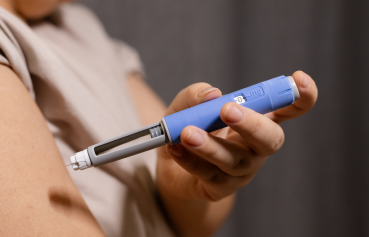
It is generally not advisable to use weight loss medications, including GLP-1 medications, during pregnancy. If you’re trying to conceive (or have the potential to become pregnant), please notify your healthcare team immediately if you are on medications like semaglutide (Wegovy), tirzepatide (Zepbound), and phentermine/topiramate (Qysmia).

Can you take weight loss pills while pregnant?

You should not take weight loss pills while pregnant, and it is generally advisable to stop taking them before a planned pregnancy because we don’t have enough evidence to consider weight loss medications safe during pregnancy.

The Food and Drug Administration (FDA)-approved label for semaglutide (Wegovy) advises discontinuing the medication at least 2 months before a planned pregnancy because of the drug’s long half-life (how long it stays in your body)

Similarly, the FDA-approved label for tirzepatide (Zepbound) says to discontinue when you have confirmation you are pregnant.

Use of weight loss medication during pregnancy is not recommended because safety testing in pregnant women is limited. Pregnant women are typically excluded from clinical trials.

We don’t have the kind of large randomized studies that would be needed to confidently say a weight loss medication is safe to use during pregnancy. Randomized is defined as people placed into different treatment groups by chance, not by choice. That matters because it makes the results more reliable and less affected by bias.

Instead, providers usually have to rely on product labeling, pregnancy registries when available, and small observational studies.

Animal studies raise safety concerns. One review found that when some animals were exposed to GLP-1 medications during pregnancy, their babies sometimes had complications. These included growth restriction, birth defects, and pregnancy loss. 

Animal studies don’t always predict what happens in humans. But they are one reason providers are careful about prescribing these medications in pregnancy.

Therefore, the practical focus during pregnancy typically shifts away from weight reduction and toward prenatal nutrition and metabolic health support. Registered dieticians can work with pregnant patients to structure nutritious, well-balanced meals that support fetal growth while minimizing unnecessary caloric intake during pregnancy.

Regular medical checks help you and your baby get the nutrition you need. Managing symptoms like nausea and food aversions, and monitoring parameters such as blood sugar and blood pressure, are essential. 

When should you stop weight loss medications before conceiving

You should stop weight loss medication before trying to conceive. This is considered the safest approach because these medications are contraindicated in pregnancy. 

Wegovy

For Wegovy, the FDA label advises discontinuing at least 2 months before a planned pregnancy due to semaglutide’s long half-life. In healthy non-pregnant adults, it can take 5 to 7 weeks on average for semaglutide to leave your body. 

Zepbound

For Zepbound, the prescribing information states the medication may cause fetal harm and should be discontinued when you know you are pregnant. 

Unlike Wegovy, Zepbound's label does not specify a formal time period you should wait after use and before conception. However, Zepbound has a half-life of approximately 5 days and takes about 4 to 5 weeks to clear your body.

Many providers recommend stopping at least 4 weeks before a planned pregnancy to minimize early fetal exposure.

Why timing matters for conception safety

Providers often recommend stopping ahead of time because most people don’t get a positive pregnancy test until a few weeks after conception. That means you could still be taking the medication during early pregnancy, before you even know you’re pregnant.

Because human pregnancy safety data is limited, the standard approach is to reduce “avoidable exposure” during that early window.

When should you stop phentermine and topiramate before conceiving

You should stop taking phentermine and topiramate (Qysmia) as soon as you start planning a pregnancy or right away if you think you might be pregnant or you have a positive pregnancy test. 

The FDA labeling lists pregnancy as a reason not to use them because weight loss is not recommended during pregnancy and could potentially harm the baby.

Can weight loss medications increase fertility 

No studies directly investigate whether any weight loss medications improve fertility.

It is thought that some weight loss medications may increase fertility, mainly because improving metabolic health and losing weight can help your body ovulate more regularly

More regular ovulation can increase the chance of pregnancy, even if that wasn’t the goal. 

Weight loss medications can help restore fertility in women who have polycystic ovarian syndrome (PCOS), where irregular ovulation is common. Research shows that lifestyle-driven weight loss can help some women with PCOS resume ovulation, which can increase the chance of conception. 

Medications that support weight reduction and insulin sensitivity may also change menstrual cycles for some women. That’s why birth control should be considered when you’re on these medications, especially if you are sexually active and trying to avoid a pregnancy.

The “Ozempic babies” idea does not mean that the medication Ozempic (approved for the treatment of type 2 diabetes) is a fertility drug. It’s more because ovulation sometimes improves through the weight loss mechanism of this drug. 

This is why surprise pregnancies can happen. People may not expect their fertility to change that quickly after the weight loss that is a side effect of using Ozempic.

Also, as previously mentioned, there may be reduced contraceptive efficacy (for tirzepatide specifically).

Are birth control pills less effective when you use weight loss medications?

Oral hormonal contraceptives may be less effective when you use weight loss medications.

Tirzepatide (Zepbound) may reduce the effectiveness of oral hormonal contraceptives during the first weeks of treatment and after dose increases because it slows stomach emptying and can affect absorption. 

That’s why labels recommend using a non-oral contraceptive method or adding a barrier method for 4 weeks after initiation and 4 weeks after each dose escalation.

A backup contraceptive method is often recommended. The tirzepatide label advises switching to a non-oral contraceptive method or adding a barrier method (like condoms) for a period of time after starting tirzepatide and after each dose increase. Many female patients also pursue an IUD.

Before you start a weight management medication (or change your dose), it’s a good idea to talk with your healthcare team about your pregnancy plans and your birth control method. 

If you’re not trying to get pregnant, this is one of the easiest ways to reduce the chance of a surprise pregnancy while you’re on treatment.

What happens if you get pregnant while taking medication

If you get pregnant while taking medication, you should contact your healthcare team right away, and you will likely be advised to stop the medication immediately.

In most cases, your healthcare team will advise you to stop the medication as soon as pregnancy is confirmed. This matches FDA labeling for these medications, and it reflects the fact that we don’t have enough safety data in pregnancy to recommend continuing them. 

Your healthcare team can also help you make a plan for nausea, appetite changes, blood sugar support, and healthy weight gain during pregnancy.

You may also be asked about pregnancy registries or reporting. These programs collect information about medication exposures in pregnancy to help build better safety knowledge over time. 

If you’re offered a registry, joining is optional, but it can help improve care for future patients.

Human data is limited, and that means we can’t claim these medications are safe in pregnancy. The small amount of published evidence for humans hasn't linked early use of weight loss medications to major birth defects, but the numbers are too small to be certain.

Your prenatal care team will guide you on health monitoring. For many people, this looks like standard prenatal care plus extra attention to factors like fetal growth and metabolic health (for example, blood sugar screening and blood pressure checks).

This will be based on your personal history and risk factors. If you have health conditions like diabetes or PCOS, your healthcare team may coordinate closer follow-up to support you and your pregnancy.

Can you restart medication after giving birth?

Many women can restart weight management medication after giving birth, but timing depends on breastfeeding, recovery, and your provider’s guidance. If you’re not breastfeeding, your care team may discuss restarting once you’ve recovered and it’s medically appropriate.

If you are breastfeeding, weight loss medication is also not recommended. For Wegovy, the FDA label notes that semaglutide was found in the milk of lactating rats, but there is no data yet for humans. 

After pregnancy, hunger, hormones, and sleep patterns can change, which can affect your weight. A simple postpartum plan should include follow-up medical checks, nutrition support, and realistic medication restart planning.

What happens when you stop weight loss medication?

When you stop weight loss medication, it’s common to see some weight regain due to an increase in appetite and increased portion sizes, especially during pregnancy when hormones and metabolism naturally change and fluctuate.

Weight recurrence is expected (and that’s okay)

It’s common to see weight come back after stopping weight management medication, and during pregnancy, that can be even more likely. That’s because pregnancy naturally changes how your body uses energy and stores fuel to support the baby, even if your lifestyle habits stay similar. 

The same study also shows that your body tends to prioritize pregnancy over weight stability. The placenta releases hormones that help the pregnancy grow, and many of those hormones also change blood sugar, fat storage, and appetite. 

So if your weight changes after stopping medication, it doesn’t mean you failed. It often means your body is responding to real biology: hormone shifts, changing insulin sensitivity, nausea or food aversions, fatigue, and a new baseline for hunger and fullness.

During pregnancy, the goal usually shifts from weight loss to a healthy pregnancy. For many people, the most helpful focus is prenatal nutrition, gentle movement, and medical monitoring, supporting steady blood sugar, blood pressure, and fetal growth.

Your body does what it needs to during pregnancy

Gaining weight during pregnancy is healthy and expected because your body is supporting the baby, the placenta, extra blood volume, and other normal pregnancy changes. 

Weight gain depends on your pre-pregnancy body mass index (BMI), and your care team can help you set a weight management goal that supports a healthy pregnancy.

A registered dietitian can be a huge help here, especially if you’re stopping a weight management medication and want support without restrictive dieting or stress. 

A balanced eating plan can help meet key nutrient needs in pregnancy, and dietitians can tailor meal ideas to symptoms like nausea, heartburn, constipation, or food aversions while still supporting steady nourishment.

The weight management conversation doesn't end

It is important to stay connected to your healthcare team during pregnancy. Pregnancy changes your body fast, and your plan often needs small updates along the way. 

Counseling on nutrition, exercise, and appropriate weight gain early in pregnancy, and ongoing support can help you adjust.

For many pregnant women, the conversation shifts from weight management to metabolic health. That can look like keeping an eye on things like blood pressure and blood sugar levels, especially since the risk of insulin resistance normally increases during pregnancy. 

Some people are at higher risk for gestational diabetes. Gestational diabetes is a type of diabetes that first shows up in pregnancy, when blood sugar levels are higher than normal but were not high before pregnancy.

If you used medication before pregnancy, you and your healthcare team should talk about what restarting might look like after delivery, including use if you’re breastfeeding. 

How should you manage your health (without weight loss medication)?

You can manage your health in pregnancy without weight loss medications by following the steps below.

Work with registered dietitians

Nutrition needs change across pregnancy, so the correct plan in the first trimester can look different from what works later on.

Prenatal care guidance focuses on supporting fetal growth and maternal health, and your care team can help you aim for weight gain that fits your starting BMI and medical history.

A registered dietitian can help you build eating patterns that feel doable when symptoms pop up (like nausea, reflux, constipation, or food aversions) while still meeting key nutrient needs. 

If gestational diabetes develops, nutrition counseling and a balanced meal and eating pattern are first-line supports, along with the monitoring plan your healthcare team recommends. 

Stay active with modified guidelines

For most people, safe movement during pregnancy is encouraged. Physical activity in pregnancy is linked with benefits like lower risk of gestational diabetes, fewer cesarean births, and better postpartum recovery. 

The right plan depends on what you were doing before pregnancy, how your pregnancy is going, and whether you have any conditions that change what’s safe. 

Pregnancy can require modified activity. This includes changing intensity, limiting certain exercise and positions later in pregnancy, and choosing options that feel stable and comfortable. 

Your healthcare provider can help you choose a trimester-appropriate plan and tell you when to scale back or stop, especially if you have warning signs or pregnancy complications. 

Medical monitoring throughout pregnancy

Regular prenatal visits are important because they help your healthcare team catch issues early and support both you and the baby as things change week to week.

Prenatal visits commonly include health checks like blood pressure, weight, fetal heart tones, and lab testing when needed. 

If you have a higher metabolic risk (like a history of insulin resistance, PCOS, or prior gestational diabetes), your healthcare team may pay closer attention to health markers like blood sugar and blood pressure. 

That coordination helps you stay supported during pregnancy and also sets you up for a smoother postpartum plan.

Pregnancy planning meets weight management

Whether you’re planning to conceive or you just got a surprise positive test, care that supports your health during pregnancy is essential. 

Weight management medications aren’t recommended in pregnancy. A supportive care team can help you make a clear plan for what to do next.

Stopping medication doesn’t mean stopping support. Pregnancy changes hormones and metabolism in significant ways, and weight management can get harder even when you’re doing your best. 

Ongoing care can shift the focus to prenatal nutrition, safe movement, and metabolic monitoring (like blood pressure and blood sugar) so you feel cared for during pregnancy and set up for postpartum planning, too.

Judgment-free care is very important. Weight regulation is influenced by hormones, insulin sensitivity, sleep, stress, and pregnancy-related changes that are all difficult to control when you are pregnant. 

The goal is a healthy pregnancy and steady support for your metabolic health, before, during, and after pregnancy. 

At knownwell, you can work with a care team that supports both weight management and pregnancy planning, and adjusts your plan safely as your needs change.

What knownwell offers:

  • Board-certified obesity medicine doctors who can help you plan medication timing for pregnancy planning and adjust treatment safely when needed after conception.
  • Registered dietitians who can transition you from weight management to nutrition plans that support you and your baby.
  • Care coordination that connects your metabolic health before, during, and after pregnancy.
  • Insurance-accepted visits, with no membership fees or cash-only barriers.
  • Judgment-free conversations about medication timing, fertility changes, and your personal timeline, whether you’re planning ahead or have already conceived.

Ready to get started?

  • Virtual visits in all 50 states
  • In-person clinics in the Boston, Chicago, Dallas/Fort Worth, and Atlanta areas
  • Insurance accepted
  • Ongoing care that continues throughout your pregnancy

Book a visit with knownwell to talk through whether weight loss medication is safe for pregnancy, and to build a sustainable approach to food during pregnancy and after.

Frequently asked questions

Can you take Zepbound while pregnant?

Zepbound is not recommended in pregnancy, and the prescribing information says to stop it when pregnancy is recognized.

Can you take Wegovy while pregnant?

Wegovy is not recommended in pregnancy, and the label recommends stopping at least 2 months before a planned pregnancy.

Can you take phentermine and topiramate while pregnant?

Both are contraindicated in pregnancy, so they should be stopped if pregnancy is planned, suspected, or confirmed.

What are “Ozempic babies”?

This is a nickname for unplanned or “surprise” pregnancies that happen after starting medications like Ozempic (approved for the treatment of type 2 diabetes). This is the result of ovulation becoming more regular as metabolic health improves, not because the medication is a fertility drug. 

Source list

Abanga, E. A., Ziblim, A. M., Boah, M. (2025). Antenatal care quality and pregnancy outcomes in the Tamale metropolis, Ghana: a mixed-methods study. BMC Pregnancy and Childbirth, 25, 810. doi:10.1186/s12884-025-07915-3. Retrieved from https://pmc.ncbi.nlm.nih.gov/articles/PMC12326642/

American College of Obstetricians and Gynecologists. (2020). Physical activity and exercise during pregnancy and the postpartum period: ACOG Committee Opinion, Number 804. Obstetrics & Gynecology, 135(4), e178-e188. doi:10.1097/AOG.0000000000003772. Retrieved from https://www.acog.org/clinical/clinical-guidance/committee-opinion/articles/2020/04/physical-activity-and-exercise-during-pregnancy-and-the-postpartum-period

American College of Obstetricians and Gynecologists. (2018). Optimizing postpartum care: Committee Opinion No. 736. Obstetrics & Gynecology, 131(5), e140-e150. doi:10.1097/AOG.0000000000002633. Retrieved from https://www.acog.org/clinical/clinical-guidance/committee-opinion/articles/2018/05/optimizing-postpartum-care

Andargie, B. A., Legas, A., W/Sellassie, A., et al. (2025). Effects of physical exercise during pregnancy on delivery outcomes: Systematic review and meta-analysis of randomized controlled trials. PLOS ONE, 20(7), e0326868. doi:10.1371/journal.pone.0326868. Retrieved from https://journals.plos.org/plosone/article?id=10.1371%2Fjournal.pone.0326868

Balsarkar, G. (2022). Clinical practice guidelines for weight management in postpartum women: An AIIMS-DST initiative in association with FOGSI. Journal of Obstetrics and Gynaecology of India, 72(2), 99-103. doi:10.1007/s13224-022-01654-7. Retrieved from https://pmc.ncbi.nlm.nih.gov/articles/PMC9008111/

Boisseau, N. (2022). Physical activity during the perinatal period: Guidelines for interventions during the perinatal period from the French National College of Midwives. Journal of Midwifery & Women's Health, 67(S1), S158-S171. doi:10.1111/jmwh.13425. Retrieved from https://onlinelibrary.wiley.com/doi/10.1111/jmwh.13425

Burrow, R., Hinton, L., Clarke, M. (2025). Do pregnant people have opportunities to participate in clinical trials? an exploratory survey of NIHR HTA-funded trialists. Trials, 26, 239. Retrieved from https://pmc.ncbi.nlm.nih.gov/articles/PMC12232068/

Cooper, C. B., Neufeld, E. V., Dolezal, B. A., et al. (2018). Sleep deprivation and obesity in adults: a brief narrative review. BMJ Open Sport & Exercise Medicine, 4(1), e000392. doi:10.1136/bmjsem-2018-000392. Retrieved from https://pmc.ncbi.nlm.nih.gov/articles/PMC6196958/

Dao, K., Shechtman, S., Weber-Schoendorfer, C., et al. (2024). Use of GLP1 receptor agonists in early pregnancy and reproductive safety: a multicentre, observational, prospective cohort study based on the databases of six Teratology Information Services. BMJ Open, 14(4), e083550. doi:10.1136/bmjopen-2023-083550. Retrieved from https://bmjopen.bmj.com/content/bmjopen/14/4/e083550.full.pdf

Dennis, M. L., Benova, L., Abuya, T., et al. (2019). Initiation and continuity of maternal healthcare: examining the role of vouchers and user-fee removal on maternal health service use in Kenya. Health Policy and Planning, 34(2), 120-131. doi:10.1093/heapol/czz004. Retrieved from https://pmc.ncbi.nlm.nih.gov/articles/PMC6481282/

Dewidar, O., John, J., Baqar, A., et al. (2023). Effectiveness of nutrition counseling for pregnant women in low- and middle-income countries to improve maternal and infant behavioral, nutritional, and health outcomes: A systematic review. Campbell Systematic Reviews, 19(4), e1361. doi:10.1002/cl2.1361. Retrieved from https://pmc.ncbi.nlm.nih.gov/articles/PMC10687348/

Drummond, R. F., Seif, K. E., Reece, E. A. (2025). Glucagon-like peptide-1 receptor agonist use in pregnancy: a review. American Journal of Obstetrics & Gynecology, 232(1), 17-25. doi:10.1016/j.ajog.2024.08.024. Retrieved from https://www.sciencedirect.com/science/article/abs/pii/S0002937824008640

Eli Lilly and Company. (2023). Zepbound (tirzepatide) injection, for subcutaneous use: Prescribing information. Retrieved from https://pi.lilly.com/us/zepbound-uspi.pdf

Eli Lilly Canada Inc. (2025, May 13). Zepbound™ KwikPen® (tirzepatide injection): Patient medication information [Product monograph]. Retrieved from https://pi.lilly.com/ca/zepbound-ca-pmi.pdf

Farzam, K., Patel, P. (2025). Tirzepatide. In StatPearls [Internet]. StatPearls Publishing. Retrieved from https://www.ncbi.nlm.nih.gov/books/NBK585056/

Grieger, J. A., Norman, R. J. (2021). A review of maternal overweight and obesity and its impact on cardiometabolic outcomes during pregnancy and long-term health. Therapeutic Advances in Reproductive Health, 14, 2633494120986544. doi:10.1177/2633494120986544. Retrieved from https://journals.sagepub.com/doi/10.1177/2633494120986544

Hart, T. L., Petersen, K. S., Kris-Etherton, P. M. (2022). Nutrition recommendations for a healthy pregnancy and lactation in women with overweight and obesity – strategies for weight loss before and after pregnancy. Fertility and Sterility, 118(3), 434-446. doi:10.1016/j.fertnstert.2022.07.026. Retrieved from https://www.sciencedirect.com/science/article/pii/S001502822200485X

Hawkins, M. S., Levine, M. D., Ragavan, M. I., et al. (2025). Postpartum dietary, sleep, and physical activity behaviors: A qualitative study to inform efforts to address postpartum weight retention. Women’s Health, 21, 17455057251384412. doi:10.1177/17455057251384412. Retrieved from https://pmc.ncbi.nlm.nih.gov/articles/PMC12536145/

Hernandez-Diaz, S., Huybrechts, K. F., Desai, R. J., et al. (2018). Topiramate use early in pregnancy and the risk of oral clefts: A pregnancy cohort study. Neurology, 90(4), e342-e351. doi:10.1212/WNL.0000000000004857. Retrieved from https://pmc.ncbi.nlm.nih.gov/articles/PMC5798655/

Hill, B., Skouteris, H., Teede, H. J., et al. (2025). Weight stigma in the preconception, pregnancy, and postpartum periods: A systematic review and meta-analysis. Obesity Reviews, 26(2), e13891. doi:10.1111/obr.13891. Retrieved from https://onlinelibrary.wiley.com/doi/10.1111/obr.13891

Issokson, K., Scarcello, C. L., Khanna, P. V. (2025). Nutrition therapies for managing gastrointestinal symptoms during pregnancy. Practical Gastroenterology, 49(4), 20-33. Retrieved from https://practicalgastro.com/wp-content/uploads/2025/04/Nutrition-April-2025.pdf

Johnson, D. B., Quick, J. (2025). Topiramate and phentermine. In StatPearls [Internet]. StatPearls Publishing. Retrieved from https://www.ncbi.nlm.nih.gov/books/NBK482165/

Kalantari, E., Tajvar, M., Naderimagham, S., et al. (2024). Maternal obesity management: A narrative literature review of health policies. BMC Women's Health, 24(1), 520. doi:10.1186/s12905-024-03342-2. Retrieved from https://pmc.ncbi.nlm.nih.gov/articles/PMC11409689/

Kampmann, U., Knorr, S., Fuglsang, J., et al. (2019). Determinants of maternal insulin resistance during pregnancy: An updated overview. Journal of Diabetes Research, 2019, 5320156. doi:10.1155/2019/5320156. Retrieved from https://pmc.ncbi.nlm.nih.gov/articles/PMC6885766/

Karekar, S. R., Pooja, S. G., Marathe, P. A. (2019). A review of clinical studies involving pregnant women in India. Perspectives in Clinical Research, 10(2), 57-62. doi:10.4103/picr.PICR_15_18. Retrieved from https://pmc.ncbi.nlm.nih.gov/articles/PMC7034140/

Karrar, S. A., Hong, P. L. (2024). Initial Antepartum Care. In StatPearls [Internet]. StatPearls Publishing. Retrieved from https://www.ncbi.nlm.nih.gov/books/NBK570635/

Kim, A., Vidmar, A. P. (2023). A narrative review: Phentermine and topiramate for the treatment of pediatric obesity. Diabetes, Metabolic Syndrome and Obesity, 16, 2525-2538. doi:10.2147/DMSO.S386638. Retrieved from https://pmc.ncbi.nlm.nih.gov/articles/PMC10460571/

Kolli, R. T., Boppana, S., Vandanapu, A., et al. (2025). Rebound or retention: A meta-analysis of weight regain and rebound effects following discontinuation of anti-obesity pharmacotherapy. Cureus, 17(10), e94926. doi:10.7759/cureus.94926. Retrieved from https://pmc.ncbi.nlm.nih.gov/articles/PMC12535773/

Kominiarek, M. A., Peaceman, A. M. (2017). Gestational weight gain. American Journal of Obstetrics & Gynecology, 217(6), 642–651. doi:10.1016/j.ajog.2017.05.040. Retrieved from https://pmc.ncbi.nlm.nih.gov/articles/PMC5701873/

Kommu, S., Whitfield, P. (2025). Semaglutide. In StatPearls [Internet]. StatPearls Publishing. Retrieved from https://www.ncbi.nlm.nih.gov/books/NBK603723/

Lim, C. Y., In, J. (2019). Randomization in clinical studies. Korean Journal of Anesthesiology, 72(3), 221-232. doi:10.4097/kja.19049. Retrieved from https://pmc.ncbi.nlm.nih.gov/articles/PMC6547231/

Makama, M., Skouteris, H., Moran, L. J., et al. (2021). Reducing postpartum weight retention: A review of the implementation challenges of postpartum lifestyle interventions. Journal of Clinical Medicine, 10(9), 1891. doi:10.3390/jcm10091891. Retrieved from https://pmc.ncbi.nlm.nih.gov/articles/PMC8123857/

Marshall, N. E., Abrams, B., Barbour, L. A., et al. (2022). The importance of nutrition in pregnancy and lactation: lifelong consequences. American Journal of Obstetrics & Gynecology, 226(5), 607-632. doi:10.1016/j.ajog.2021.12.035. Retrieved from https://pmc.ncbi.nlm.nih.gov/articles/PMC9182711/

McAuliffe, F. M., Killeen, S. L., Jacob, C. M., et al. (2020). Management of prepregnancy, pregnancy, and postpartum obesity from the FIGO Pregnancy and Non‐Communicable Diseases Committee: A FIGO (International Federation of Gynecology and Obstetrics) guideline. International Journal of Gynecology & Obstetrics, 151(S1), 16-36. doi:10.1002/ijgo.13334. Retrieved from https://pmc.ncbi.nlm.nih.gov/articles/PMC7590083/

McLennan, N. M., Kotzur, N., Makama, M., et al. (2022). Targeting metabolic health promotion to optimise maternal and offspring health. European Journal of Endocrinology, 186(6), R113-R126. doi:10.1530/EJE-21-1046. Retrieved from https://academic.oup.com/ejendo/article/186/6/R113/6853692

Mukhtar, F. (2025). A Systematic Review of the Management of Maternal Obesity: Antenatal Strategies and Long-Term Health Implications. Cureus, 17(7), e87258. doi:10.7759/cureus.87258. Retrieved from https://pmc.ncbi.nlm.nih.gov/articles/PMC12318269/

Nadarajah, S. (2025). Ozempic babies: are weight loss drugs leading to unintended pregnancies? BMJ, 388, q2440. doi:10.1136/bmj.q2440. Retrieved from https://www.bmj.com/content/388/bmj.q2440

Novo Nordisk Inc. (2023). Wegovy (semaglutide) injection, for subcutaneous use: Highlights of prescribing information. Retrieved from https://www.accessdata.fda.gov/drugsatfda_docs/label/2023/215256s007lbl.pdf

Nuako, A., Tu, L., Campoverde Reyes, et al. (2023). Pharmacologic treatment of obesity in reproductive aged women. Current Obstetrics & Gynecology Reports, 12(2), 138-146. doi:10.1007/s13669-023-00350-1. Retrieved from https://pmc.ncbi.nlm.nih.gov/articles/PMC10328448/

Ogunwole, S. M., Zera, C. A., Stanford, F. C. (2021). Obesity management in women of reproductive age. JAMA, 325(5), 433-434. doi:10.1001/jama.2020.21096. Retrieved from https://pmc.ncbi.nlm.nih.gov/articles/PMC9940941/

Olukade, T., Salama, H., Al-Obaidly, S., et al. (2024). Maternal body mass index and recommended gestational weight gain in a Middle Eastern setting. Maternal and Child Health Journal, 28(3), 524-531. doi:10.1007/s10995-023-03816-z. Retrieved from https://pmc.ncbi.nlm.nih.gov/articles/PMC10914897/

Parrettini, S., Caroli, A., Torlone, E. (2020). Nutrition and metabolic adaptations in physiological and complicated pregnancy: Focus on obesity and gestational diabetes. Frontiers in Endocrinology, 11, 611929. doi:10.3389/fendo.2020.611929. Retrieved from https://pmc.ncbi.nlm.nih.gov/articles/PMC7793966/

Pavli, P., Daponte, A., Skentou, C., et al. (2024). Infertility improvement after medical weight loss in women with polycystic ovary syndrome: A review. International Journal of Molecular Sciences, 25(3), 1909. doi:10.3390/ijms25031909. Retrieved from https://pmc.ncbi.nlm.nih.gov/articles/PMC10856238/

Price, S. A. L., Callaway, L. (2025). Considering the use of GLP-1 receptor agonists in women prior to and during pregnancy. Obstetric Medicine. Advance online publication. doi:10.1177/1753495X241302830. Retrieved from https://pmc.ncbi.nlm.nih.gov/articles/PMC12033171/

Quintanilla Rodriguez, B. S., Vadakekut, E. S., Mahdy, H. (2024). Gestational diabetes. In StatPearls [Internet]. StatPearls Publishing. Retrieved from https://www.ncbi.nlm.nih.gov/books/NBK545196/

Rababa'h, A. M., Matani, B. R., Yehya, A. (2022). An update of polycystic ovary syndrome: causes and therapeutics options. Heliyon, 8(10), e11010. doi:10.1016/j.heliyon.2022.e11010. Retrieved from https://pmc.ncbi.nlm.nih.gov/articles/PMC9576888/

Rudin, L. R., Lyons, K., Livingston, J., et al. (2021). Professional exercise recommendations for healthy women: A systematic review of guidelines. Women's Health Reports, 2(1), 400-412. doi:10.1089/whr.2021.0077. Retrieved from https://pmc.ncbi.nlm.nih.gov/articles/PMC8524738/

Shrestha, A., Prowak, M., Berlandi-Short, V. M., et al. (2021). Maternal obesity: A focus on maternal interventions to improve health of offspring. Frontiers in Cardiovascular Medicine, 8, 696812. doi:10.3389/fcvm.2021.696812. Retrieved from https://www.frontiersin.org/journals/cardiovascular-medicine/articles/10.3389/fcvm.2021.696812/full

Simon, A., Pratt, M., Hutton, B., et al. (2020). Guidelines for the management of pregnant women with obesity: a systematic review. Obesity Reviews, 21(3), e12972. doi:10.1111/obr.12972. Retrieved from https://pmc.ncbi.nlm.nih.gov/articles/PMC7064940/

Singh, R. K., Mohiuddin, S. S. (2023). Physiology, Appetite And Weight Regulation. In StatPearls [Internet]. StatPearls Publishing. Retrieved from https://www.ncbi.nlm.nih.gov/books/NBK574539/

Skelley, J. W., Owens, R. E. (2024). The impact of tirzepatide and glucagon-like peptide 1 receptor agonists on oral hormonal contraception. Journal of the American Pharmacists Association, 64(1), 118-122. doi:10.1016/j.japh.2023.11.018. Retrieved from https://www.japha.org/article/S1544-3191(23)00370-9/fulltext 

Tinius, R. A., Blankenship, M. M. (2021). Postpartum metabolism: How does it change from pregnancy and what are the implications?. International Journal of Environmental Research and Public Health, 18(12), 6245. doi:10.3390/ijerph18126245. Retrieved from https://pmc.ncbi.nlm.nih.gov/articles/PMC8216742/

U.S. Food and Drug Administration. (n.d.). Understanding pregnancy exposure registries. FDA Office of Women's Health Blog. Retrieved from https://www.fda.gov/consumers/knowledge-and-news-women-owh-blog/understanding-pregnancy-exposure-registries

Van Norman, G. A. (2019). Limitations of animal studies for predicting toxicity in clinical trials. JACC: Basic to Translational Science, 4(7), 845-854. doi:10.1016/j.jacbts.2019.10.008. Retrieved from https://pmc.ncbi.nlm.nih.gov/articles/PMC6978558/

Vila, G., Reiner, Å., Kautzky-Willer, A., et al. (2015). Lactation and appetite-regulating hormones: increased maternal plasma peptide YY concentrations 3-6 months postpartum. British Journal of Nutrition, 114(8), 1203-1208. doi:10.1017/S0007114515002536. Retrieved from https://www.cambridge.org/core/journals/british-journal-of-nutrition/article/lactation-and-appetiteregulating-hormones-increased-maternal-plasma-peptide-yy-concentrations-36-months-postpartum/990EF03B860117F201A0EBD23D235361

Vivus LLC. (2022). Qsymia (phentermine and topiramate extended-release) capsules, for oral use: Highlights of prescribing information. Retrieved from https://www.accessdata.fda.gov/drugsatfda_docs/label/2022/022580s021lbl.pdf

Wang, Z., van Faassen, M., Groen, H., et al. (2024). Resumption of ovulation in anovulatory women with PCOS and obesity is associated with reduction of 11β-hydroxyandrostenedione concentrations. Human Reproduction, 39(5), 1078-1088. doi:10.1093/humrep/deae058. Retrieved from https://pmc.ncbi.nlm.nih.gov/articles/PMC11063562/

Wilding, J. P. H., Batterham, R. L., Davies, M., et al. (2022). Weight regain and cardiometabolic effects after withdrawal of semaglutide: The STEP 1 trial extension. Diabetes, Obesity and Metabolism, 24(8), 1553-1564. doi:10.1111/dom.14725. Retrieved from https://pmc.ncbi.nlm.nih.gov/articles/PMC9542252/

Winterstein, A. G., Wang, Y., Smolinski, N. E., et al. (2024). Prenatal care initiation and exposure to teratogenic medications. JAMA Network Open, 7(2), e2354298. doi:10.1001/jamanetworkopen.2023.54298. Retrieved from https://jamanetwork.com/journals/jamanetworkopen/fullarticle/2814502

Wood, M. E., Andrade, S. E., Toh, S. (2019). Current state and future directions for medication safety in pregnancy. Clinical Therapeutics, 41(12), 2467-2476. doi:10.1016/j.clinthera.2019.08.016. Retrieved from https://pmc.ncbi.nlm.nih.gov/articles/PMC6917855/

World Health Organization. (2016). WHO recommendations on antenatal care for a positive pregnancy experience (Evidence and recommendations). World Health Organization. Retrieved from https://www.ncbi.nlm.nih.gov/books/NBK409099/

Yakout, S. M., Al-Attas, O. S., Hussain, S. D. (2020). Hepatokines fetuin A and fetuin B status in women with gestational diabetes mellitus. Nutrition & Diabetes, 10, 8. doi:10.1038/s41387-020-0107-8. Retrieved from https://www.nature.com/articles/s41387-020-0107-8

Yalew, A., Tekle Silasie, W., Anato, A., et al. (2021). Food aversion during pregnancy and its association with nutritional status of pregnant women in Boricha Woreda, Sidama Regional State, Southern Ethiopia, 2019. A community based mixed crossectional study design. Reproductive Health, 18(1), 208. doi:10.1186/s12978-021-01258-w. Retrieved from https://pmc.ncbi.nlm.nih.gov/articles/PMC8525039/

Zare, M., Torabi, P., Dolati, S., et al. (2025). Effectiveness of nutrition counseling in managing gestational weight gain and infant outcomes: a retrospective cohort study. BMC Nutrition, 11, 53. doi:10.1186/s40795-025-01035-z. Retrieved from https://pmc.ncbi.nlm.nih.gov/articles/PMC11895257/

Ready for healthcare that truly knows you?

At knownwell, we offer:

  • Access to GLP-1s when clinically appropriate
  • No membership fees
  • Covered by insurance
  • In-person and virtual visits available
BOOK YOUR FIRST VISIT

It is generally not advisable to use weight loss medications, including GLP-1 medications, during pregnancy. If you’re trying to conceive (or have the potential to become pregnant), please notify your healthcare team immediately if you are on medications like semaglutide (Wegovy), tirzepatide (Zepbound), and phentermine/topiramate (Qysmia).

Can you take weight loss pills while pregnant?

You should not take weight loss pills while pregnant, and it is generally advisable to stop taking them before a planned pregnancy because we don’t have enough evidence to consider weight loss medications safe during pregnancy.

The Food and Drug Administration (FDA)-approved label for semaglutide (Wegovy) advises discontinuing the medication at least 2 months before a planned pregnancy because of the drug’s long half-life (how long it stays in your body)

Similarly, the FDA-approved label for tirzepatide (Zepbound) says to discontinue when you have confirmation you are pregnant.

Use of weight loss medication during pregnancy is not recommended because safety testing in pregnant women is limited. Pregnant women are typically excluded from clinical trials.

We don’t have the kind of large randomized studies that would be needed to confidently say a weight loss medication is safe to use during pregnancy. Randomized is defined as people placed into different treatment groups by chance, not by choice. That matters because it makes the results more reliable and less affected by bias.

Instead, providers usually have to rely on product labeling, pregnancy registries when available, and small observational studies.

Animal studies raise safety concerns. One review found that when some animals were exposed to GLP-1 medications during pregnancy, their babies sometimes had complications. These included growth restriction, birth defects, and pregnancy loss. 

Animal studies don’t always predict what happens in humans. But they are one reason providers are careful about prescribing these medications in pregnancy.

Therefore, the practical focus during pregnancy typically shifts away from weight reduction and toward prenatal nutrition and metabolic health support. Registered dieticians can work with pregnant patients to structure nutritious, well-balanced meals that support fetal growth while minimizing unnecessary caloric intake during pregnancy.

Regular medical checks help you and your baby get the nutrition you need. Managing symptoms like nausea and food aversions, and monitoring parameters such as blood sugar and blood pressure, are essential. 

When should you stop weight loss medications before conceiving

You should stop weight loss medication before trying to conceive. This is considered the safest approach because these medications are contraindicated in pregnancy. 

Wegovy

For Wegovy, the FDA label advises discontinuing at least 2 months before a planned pregnancy due to semaglutide’s long half-life. In healthy non-pregnant adults, it can take 5 to 7 weeks on average for semaglutide to leave your body. 

Zepbound

For Zepbound, the prescribing information states the medication may cause fetal harm and should be discontinued when you know you are pregnant. 

Unlike Wegovy, Zepbound's label does not specify a formal time period you should wait after use and before conception. However, Zepbound has a half-life of approximately 5 days and takes about 4 to 5 weeks to clear your body.

Many providers recommend stopping at least 4 weeks before a planned pregnancy to minimize early fetal exposure.

Why timing matters for conception safety

Providers often recommend stopping ahead of time because most people don’t get a positive pregnancy test until a few weeks after conception. That means you could still be taking the medication during early pregnancy, before you even know you’re pregnant.

Because human pregnancy safety data is limited, the standard approach is to reduce “avoidable exposure” during that early window.

When should you stop phentermine and topiramate before conceiving

You should stop taking phentermine and topiramate (Qysmia) as soon as you start planning a pregnancy or right away if you think you might be pregnant or you have a positive pregnancy test. 

The FDA labeling lists pregnancy as a reason not to use them because weight loss is not recommended during pregnancy and could potentially harm the baby.

Can weight loss medications increase fertility 

No studies directly investigate whether any weight loss medications improve fertility.

It is thought that some weight loss medications may increase fertility, mainly because improving metabolic health and losing weight can help your body ovulate more regularly

More regular ovulation can increase the chance of pregnancy, even if that wasn’t the goal. 

Weight loss medications can help restore fertility in women who have polycystic ovarian syndrome (PCOS), where irregular ovulation is common. Research shows that lifestyle-driven weight loss can help some women with PCOS resume ovulation, which can increase the chance of conception. 

Medications that support weight reduction and insulin sensitivity may also change menstrual cycles for some women. That’s why birth control should be considered when you’re on these medications, especially if you are sexually active and trying to avoid a pregnancy.

The “Ozempic babies” idea does not mean that the medication Ozempic (approved for the treatment of type 2 diabetes) is a fertility drug. It’s more because ovulation sometimes improves through the weight loss mechanism of this drug. 

This is why surprise pregnancies can happen. People may not expect their fertility to change that quickly after the weight loss that is a side effect of using Ozempic.

Also, as previously mentioned, there may be reduced contraceptive efficacy (for tirzepatide specifically).

Are birth control pills less effective when you use weight loss medications?

Oral hormonal contraceptives may be less effective when you use weight loss medications.

Tirzepatide (Zepbound) may reduce the effectiveness of oral hormonal contraceptives during the first weeks of treatment and after dose increases because it slows stomach emptying and can affect absorption. 

That’s why labels recommend using a non-oral contraceptive method or adding a barrier method for 4 weeks after initiation and 4 weeks after each dose escalation.

A backup contraceptive method is often recommended. The tirzepatide label advises switching to a non-oral contraceptive method or adding a barrier method (like condoms) for a period of time after starting tirzepatide and after each dose increase. Many female patients also pursue an IUD.

Before you start a weight management medication (or change your dose), it’s a good idea to talk with your healthcare team about your pregnancy plans and your birth control method. 

If you’re not trying to get pregnant, this is one of the easiest ways to reduce the chance of a surprise pregnancy while you’re on treatment.

What happens if you get pregnant while taking medication

If you get pregnant while taking medication, you should contact your healthcare team right away, and you will likely be advised to stop the medication immediately.

In most cases, your healthcare team will advise you to stop the medication as soon as pregnancy is confirmed. This matches FDA labeling for these medications, and it reflects the fact that we don’t have enough safety data in pregnancy to recommend continuing them. 

Your healthcare team can also help you make a plan for nausea, appetite changes, blood sugar support, and healthy weight gain during pregnancy.

You may also be asked about pregnancy registries or reporting. These programs collect information about medication exposures in pregnancy to help build better safety knowledge over time. 

If you’re offered a registry, joining is optional, but it can help improve care for future patients.

Human data is limited, and that means we can’t claim these medications are safe in pregnancy. The small amount of published evidence for humans hasn't linked early use of weight loss medications to major birth defects, but the numbers are too small to be certain.

Your prenatal care team will guide you on health monitoring. For many people, this looks like standard prenatal care plus extra attention to factors like fetal growth and metabolic health (for example, blood sugar screening and blood pressure checks).

This will be based on your personal history and risk factors. If you have health conditions like diabetes or PCOS, your healthcare team may coordinate closer follow-up to support you and your pregnancy.

Can you restart medication after giving birth?

Many women can restart weight management medication after giving birth, but timing depends on breastfeeding, recovery, and your provider’s guidance. If you’re not breastfeeding, your care team may discuss restarting once you’ve recovered and it’s medically appropriate.

If you are breastfeeding, weight loss medication is also not recommended. For Wegovy, the FDA label notes that semaglutide was found in the milk of lactating rats, but there is no data yet for humans. 

After pregnancy, hunger, hormones, and sleep patterns can change, which can affect your weight. A simple postpartum plan should include follow-up medical checks, nutrition support, and realistic medication restart planning.

What happens when you stop weight loss medication?

When you stop weight loss medication, it’s common to see some weight regain due to an increase in appetite and increased portion sizes, especially during pregnancy when hormones and metabolism naturally change and fluctuate.

Weight recurrence is expected (and that’s okay)

It’s common to see weight come back after stopping weight management medication, and during pregnancy, that can be even more likely. That’s because pregnancy naturally changes how your body uses energy and stores fuel to support the baby, even if your lifestyle habits stay similar. 

The same study also shows that your body tends to prioritize pregnancy over weight stability. The placenta releases hormones that help the pregnancy grow, and many of those hormones also change blood sugar, fat storage, and appetite. 

So if your weight changes after stopping medication, it doesn’t mean you failed. It often means your body is responding to real biology: hormone shifts, changing insulin sensitivity, nausea or food aversions, fatigue, and a new baseline for hunger and fullness.

During pregnancy, the goal usually shifts from weight loss to a healthy pregnancy. For many people, the most helpful focus is prenatal nutrition, gentle movement, and medical monitoring, supporting steady blood sugar, blood pressure, and fetal growth.

Your body does what it needs to during pregnancy

Gaining weight during pregnancy is healthy and expected because your body is supporting the baby, the placenta, extra blood volume, and other normal pregnancy changes. 

Weight gain depends on your pre-pregnancy body mass index (BMI), and your care team can help you set a weight management goal that supports a healthy pregnancy.

A registered dietitian can be a huge help here, especially if you’re stopping a weight management medication and want support without restrictive dieting or stress. 

A balanced eating plan can help meet key nutrient needs in pregnancy, and dietitians can tailor meal ideas to symptoms like nausea, heartburn, constipation, or food aversions while still supporting steady nourishment.

The weight management conversation doesn't end

It is important to stay connected to your healthcare team during pregnancy. Pregnancy changes your body fast, and your plan often needs small updates along the way. 

Counseling on nutrition, exercise, and appropriate weight gain early in pregnancy, and ongoing support can help you adjust.

For many pregnant women, the conversation shifts from weight management to metabolic health. That can look like keeping an eye on things like blood pressure and blood sugar levels, especially since the risk of insulin resistance normally increases during pregnancy. 

Some people are at higher risk for gestational diabetes. Gestational diabetes is a type of diabetes that first shows up in pregnancy, when blood sugar levels are higher than normal but were not high before pregnancy.

If you used medication before pregnancy, you and your healthcare team should talk about what restarting might look like after delivery, including use if you’re breastfeeding. 

How should you manage your health (without weight loss medication)?

You can manage your health in pregnancy without weight loss medications by following the steps below.

Work with registered dietitians

Nutrition needs change across pregnancy, so the correct plan in the first trimester can look different from what works later on.

Prenatal care guidance focuses on supporting fetal growth and maternal health, and your care team can help you aim for weight gain that fits your starting BMI and medical history.

A registered dietitian can help you build eating patterns that feel doable when symptoms pop up (like nausea, reflux, constipation, or food aversions) while still meeting key nutrient needs. 

If gestational diabetes develops, nutrition counseling and a balanced meal and eating pattern are first-line supports, along with the monitoring plan your healthcare team recommends. 

Stay active with modified guidelines

For most people, safe movement during pregnancy is encouraged. Physical activity in pregnancy is linked with benefits like lower risk of gestational diabetes, fewer cesarean births, and better postpartum recovery. 

The right plan depends on what you were doing before pregnancy, how your pregnancy is going, and whether you have any conditions that change what’s safe. 

Pregnancy can require modified activity. This includes changing intensity, limiting certain exercise and positions later in pregnancy, and choosing options that feel stable and comfortable. 

Your healthcare provider can help you choose a trimester-appropriate plan and tell you when to scale back or stop, especially if you have warning signs or pregnancy complications. 

Medical monitoring throughout pregnancy

Regular prenatal visits are important because they help your healthcare team catch issues early and support both you and the baby as things change week to week.

Prenatal visits commonly include health checks like blood pressure, weight, fetal heart tones, and lab testing when needed. 

If you have a higher metabolic risk (like a history of insulin resistance, PCOS, or prior gestational diabetes), your healthcare team may pay closer attention to health markers like blood sugar and blood pressure. 

That coordination helps you stay supported during pregnancy and also sets you up for a smoother postpartum plan.

Pregnancy planning meets weight management

Whether you’re planning to conceive or you just got a surprise positive test, care that supports your health during pregnancy is essential. 

Weight management medications aren’t recommended in pregnancy. A supportive care team can help you make a clear plan for what to do next.

Stopping medication doesn’t mean stopping support. Pregnancy changes hormones and metabolism in significant ways, and weight management can get harder even when you’re doing your best. 

Ongoing care can shift the focus to prenatal nutrition, safe movement, and metabolic monitoring (like blood pressure and blood sugar) so you feel cared for during pregnancy and set up for postpartum planning, too.

Judgment-free care is very important. Weight regulation is influenced by hormones, insulin sensitivity, sleep, stress, and pregnancy-related changes that are all difficult to control when you are pregnant. 

The goal is a healthy pregnancy and steady support for your metabolic health, before, during, and after pregnancy. 

At knownwell, you can work with a care team that supports both weight management and pregnancy planning, and adjusts your plan safely as your needs change.

What knownwell offers:

  • Board-certified obesity medicine doctors who can help you plan medication timing for pregnancy planning and adjust treatment safely when needed after conception.
  • Registered dietitians who can transition you from weight management to nutrition plans that support you and your baby.
  • Care coordination that connects your metabolic health before, during, and after pregnancy.
  • Insurance-accepted visits, with no membership fees or cash-only barriers.
  • Judgment-free conversations about medication timing, fertility changes, and your personal timeline, whether you’re planning ahead or have already conceived.

Ready to get started?

  • Virtual visits in all 50 states
  • In-person clinics in the Boston, Chicago, Dallas/Fort Worth, and Atlanta areas
  • Insurance accepted
  • Ongoing care that continues throughout your pregnancy

Book a visit with knownwell to talk through whether weight loss medication is safe for pregnancy, and to build a sustainable approach to food during pregnancy and after.

Frequently asked questions

Can you take Zepbound while pregnant?

Zepbound is not recommended in pregnancy, and the prescribing information says to stop it when pregnancy is recognized.

Can you take Wegovy while pregnant?

Wegovy is not recommended in pregnancy, and the label recommends stopping at least 2 months before a planned pregnancy.

Can you take phentermine and topiramate while pregnant?

Both are contraindicated in pregnancy, so they should be stopped if pregnancy is planned, suspected, or confirmed.

What are “Ozempic babies”?

This is a nickname for unplanned or “surprise” pregnancies that happen after starting medications like Ozempic (approved for the treatment of type 2 diabetes). This is the result of ovulation becoming more regular as metabolic health improves, not because the medication is a fertility drug. 

Source list

Abanga, E. A., Ziblim, A. M., Boah, M. (2025). Antenatal care quality and pregnancy outcomes in the Tamale metropolis, Ghana: a mixed-methods study. BMC Pregnancy and Childbirth, 25, 810. doi:10.1186/s12884-025-07915-3. Retrieved from https://pmc.ncbi.nlm.nih.gov/articles/PMC12326642/

American College of Obstetricians and Gynecologists. (2020). Physical activity and exercise during pregnancy and the postpartum period: ACOG Committee Opinion, Number 804. Obstetrics & Gynecology, 135(4), e178-e188. doi:10.1097/AOG.0000000000003772. Retrieved from https://www.acog.org/clinical/clinical-guidance/committee-opinion/articles/2020/04/physical-activity-and-exercise-during-pregnancy-and-the-postpartum-period

American College of Obstetricians and Gynecologists. (2018). Optimizing postpartum care: Committee Opinion No. 736. Obstetrics & Gynecology, 131(5), e140-e150. doi:10.1097/AOG.0000000000002633. Retrieved from https://www.acog.org/clinical/clinical-guidance/committee-opinion/articles/2018/05/optimizing-postpartum-care

Andargie, B. A., Legas, A., W/Sellassie, A., et al. (2025). Effects of physical exercise during pregnancy on delivery outcomes: Systematic review and meta-analysis of randomized controlled trials. PLOS ONE, 20(7), e0326868. doi:10.1371/journal.pone.0326868. Retrieved from https://journals.plos.org/plosone/article?id=10.1371%2Fjournal.pone.0326868

Balsarkar, G. (2022). Clinical practice guidelines for weight management in postpartum women: An AIIMS-DST initiative in association with FOGSI. Journal of Obstetrics and Gynaecology of India, 72(2), 99-103. doi:10.1007/s13224-022-01654-7. Retrieved from https://pmc.ncbi.nlm.nih.gov/articles/PMC9008111/

Boisseau, N. (2022). Physical activity during the perinatal period: Guidelines for interventions during the perinatal period from the French National College of Midwives. Journal of Midwifery & Women's Health, 67(S1), S158-S171. doi:10.1111/jmwh.13425. Retrieved from https://onlinelibrary.wiley.com/doi/10.1111/jmwh.13425

Burrow, R., Hinton, L., Clarke, M. (2025). Do pregnant people have opportunities to participate in clinical trials? an exploratory survey of NIHR HTA-funded trialists. Trials, 26, 239. Retrieved from https://pmc.ncbi.nlm.nih.gov/articles/PMC12232068/

Cooper, C. B., Neufeld, E. V., Dolezal, B. A., et al. (2018). Sleep deprivation and obesity in adults: a brief narrative review. BMJ Open Sport & Exercise Medicine, 4(1), e000392. doi:10.1136/bmjsem-2018-000392. Retrieved from https://pmc.ncbi.nlm.nih.gov/articles/PMC6196958/

Dao, K., Shechtman, S., Weber-Schoendorfer, C., et al. (2024). Use of GLP1 receptor agonists in early pregnancy and reproductive safety: a multicentre, observational, prospective cohort study based on the databases of six Teratology Information Services. BMJ Open, 14(4), e083550. doi:10.1136/bmjopen-2023-083550. Retrieved from https://bmjopen.bmj.com/content/bmjopen/14/4/e083550.full.pdf

Dennis, M. L., Benova, L., Abuya, T., et al. (2019). Initiation and continuity of maternal healthcare: examining the role of vouchers and user-fee removal on maternal health service use in Kenya. Health Policy and Planning, 34(2), 120-131. doi:10.1093/heapol/czz004. Retrieved from https://pmc.ncbi.nlm.nih.gov/articles/PMC6481282/

Dewidar, O., John, J., Baqar, A., et al. (2023). Effectiveness of nutrition counseling for pregnant women in low- and middle-income countries to improve maternal and infant behavioral, nutritional, and health outcomes: A systematic review. Campbell Systematic Reviews, 19(4), e1361. doi:10.1002/cl2.1361. Retrieved from https://pmc.ncbi.nlm.nih.gov/articles/PMC10687348/

Drummond, R. F., Seif, K. E., Reece, E. A. (2025). Glucagon-like peptide-1 receptor agonist use in pregnancy: a review. American Journal of Obstetrics & Gynecology, 232(1), 17-25. doi:10.1016/j.ajog.2024.08.024. Retrieved from https://www.sciencedirect.com/science/article/abs/pii/S0002937824008640

Eli Lilly and Company. (2023). Zepbound (tirzepatide) injection, for subcutaneous use: Prescribing information. Retrieved from https://pi.lilly.com/us/zepbound-uspi.pdf

Eli Lilly Canada Inc. (2025, May 13). Zepbound™ KwikPen® (tirzepatide injection): Patient medication information [Product monograph]. Retrieved from https://pi.lilly.com/ca/zepbound-ca-pmi.pdf

Farzam, K., Patel, P. (2025). Tirzepatide. In StatPearls [Internet]. StatPearls Publishing. Retrieved from https://www.ncbi.nlm.nih.gov/books/NBK585056/

Grieger, J. A., Norman, R. J. (2021). A review of maternal overweight and obesity and its impact on cardiometabolic outcomes during pregnancy and long-term health. Therapeutic Advances in Reproductive Health, 14, 2633494120986544. doi:10.1177/2633494120986544. Retrieved from https://journals.sagepub.com/doi/10.1177/2633494120986544

Hart, T. L., Petersen, K. S., Kris-Etherton, P. M. (2022). Nutrition recommendations for a healthy pregnancy and lactation in women with overweight and obesity – strategies for weight loss before and after pregnancy. Fertility and Sterility, 118(3), 434-446. doi:10.1016/j.fertnstert.2022.07.026. Retrieved from https://www.sciencedirect.com/science/article/pii/S001502822200485X

Hawkins, M. S., Levine, M. D., Ragavan, M. I., et al. (2025). Postpartum dietary, sleep, and physical activity behaviors: A qualitative study to inform efforts to address postpartum weight retention. Women’s Health, 21, 17455057251384412. doi:10.1177/17455057251384412. Retrieved from https://pmc.ncbi.nlm.nih.gov/articles/PMC12536145/

Hernandez-Diaz, S., Huybrechts, K. F., Desai, R. J., et al. (2018). Topiramate use early in pregnancy and the risk of oral clefts: A pregnancy cohort study. Neurology, 90(4), e342-e351. doi:10.1212/WNL.0000000000004857. Retrieved from https://pmc.ncbi.nlm.nih.gov/articles/PMC5798655/

Hill, B., Skouteris, H., Teede, H. J., et al. (2025). Weight stigma in the preconception, pregnancy, and postpartum periods: A systematic review and meta-analysis. Obesity Reviews, 26(2), e13891. doi:10.1111/obr.13891. Retrieved from https://onlinelibrary.wiley.com/doi/10.1111/obr.13891

Issokson, K., Scarcello, C. L., Khanna, P. V. (2025). Nutrition therapies for managing gastrointestinal symptoms during pregnancy. Practical Gastroenterology, 49(4), 20-33. Retrieved from https://practicalgastro.com/wp-content/uploads/2025/04/Nutrition-April-2025.pdf

Johnson, D. B., Quick, J. (2025). Topiramate and phentermine. In StatPearls [Internet]. StatPearls Publishing. Retrieved from https://www.ncbi.nlm.nih.gov/books/NBK482165/

Kalantari, E., Tajvar, M., Naderimagham, S., et al. (2024). Maternal obesity management: A narrative literature review of health policies. BMC Women's Health, 24(1), 520. doi:10.1186/s12905-024-03342-2. Retrieved from https://pmc.ncbi.nlm.nih.gov/articles/PMC11409689/

Kampmann, U., Knorr, S., Fuglsang, J., et al. (2019). Determinants of maternal insulin resistance during pregnancy: An updated overview. Journal of Diabetes Research, 2019, 5320156. doi:10.1155/2019/5320156. Retrieved from https://pmc.ncbi.nlm.nih.gov/articles/PMC6885766/

Karekar, S. R., Pooja, S. G., Marathe, P. A. (2019). A review of clinical studies involving pregnant women in India. Perspectives in Clinical Research, 10(2), 57-62. doi:10.4103/picr.PICR_15_18. Retrieved from https://pmc.ncbi.nlm.nih.gov/articles/PMC7034140/

Karrar, S. A., Hong, P. L. (2024). Initial Antepartum Care. In StatPearls [Internet]. StatPearls Publishing. Retrieved from https://www.ncbi.nlm.nih.gov/books/NBK570635/

Kim, A., Vidmar, A. P. (2023). A narrative review: Phentermine and topiramate for the treatment of pediatric obesity. Diabetes, Metabolic Syndrome and Obesity, 16, 2525-2538. doi:10.2147/DMSO.S386638. Retrieved from https://pmc.ncbi.nlm.nih.gov/articles/PMC10460571/

Kolli, R. T., Boppana, S., Vandanapu, A., et al. (2025). Rebound or retention: A meta-analysis of weight regain and rebound effects following discontinuation of anti-obesity pharmacotherapy. Cureus, 17(10), e94926. doi:10.7759/cureus.94926. Retrieved from https://pmc.ncbi.nlm.nih.gov/articles/PMC12535773/

Kominiarek, M. A., Peaceman, A. M. (2017). Gestational weight gain. American Journal of Obstetrics & Gynecology, 217(6), 642–651. doi:10.1016/j.ajog.2017.05.040. Retrieved from https://pmc.ncbi.nlm.nih.gov/articles/PMC5701873/

Kommu, S., Whitfield, P. (2025). Semaglutide. In StatPearls [Internet]. StatPearls Publishing. Retrieved from https://www.ncbi.nlm.nih.gov/books/NBK603723/

Lim, C. Y., In, J. (2019). Randomization in clinical studies. Korean Journal of Anesthesiology, 72(3), 221-232. doi:10.4097/kja.19049. Retrieved from https://pmc.ncbi.nlm.nih.gov/articles/PMC6547231/

Makama, M., Skouteris, H., Moran, L. J., et al. (2021). Reducing postpartum weight retention: A review of the implementation challenges of postpartum lifestyle interventions. Journal of Clinical Medicine, 10(9), 1891. doi:10.3390/jcm10091891. Retrieved from https://pmc.ncbi.nlm.nih.gov/articles/PMC8123857/

Marshall, N. E., Abrams, B., Barbour, L. A., et al. (2022). The importance of nutrition in pregnancy and lactation: lifelong consequences. American Journal of Obstetrics & Gynecology, 226(5), 607-632. doi:10.1016/j.ajog.2021.12.035. Retrieved from https://pmc.ncbi.nlm.nih.gov/articles/PMC9182711/

McAuliffe, F. M., Killeen, S. L., Jacob, C. M., et al. (2020). Management of prepregnancy, pregnancy, and postpartum obesity from the FIGO Pregnancy and Non‐Communicable Diseases Committee: A FIGO (International Federation of Gynecology and Obstetrics) guideline. International Journal of Gynecology & Obstetrics, 151(S1), 16-36. doi:10.1002/ijgo.13334. Retrieved from https://pmc.ncbi.nlm.nih.gov/articles/PMC7590083/

McLennan, N. M., Kotzur, N., Makama, M., et al. (2022). Targeting metabolic health promotion to optimise maternal and offspring health. European Journal of Endocrinology, 186(6), R113-R126. doi:10.1530/EJE-21-1046. Retrieved from https://academic.oup.com/ejendo/article/186/6/R113/6853692

Mukhtar, F. (2025). A Systematic Review of the Management of Maternal Obesity: Antenatal Strategies and Long-Term Health Implications. Cureus, 17(7), e87258. doi:10.7759/cureus.87258. Retrieved from https://pmc.ncbi.nlm.nih.gov/articles/PMC12318269/

Nadarajah, S. (2025). Ozempic babies: are weight loss drugs leading to unintended pregnancies? BMJ, 388, q2440. doi:10.1136/bmj.q2440. Retrieved from https://www.bmj.com/content/388/bmj.q2440

Novo Nordisk Inc. (2023). Wegovy (semaglutide) injection, for subcutaneous use: Highlights of prescribing information. Retrieved from https://www.accessdata.fda.gov/drugsatfda_docs/label/2023/215256s007lbl.pdf

Nuako, A., Tu, L., Campoverde Reyes, et al. (2023). Pharmacologic treatment of obesity in reproductive aged women. Current Obstetrics & Gynecology Reports, 12(2), 138-146. doi:10.1007/s13669-023-00350-1. Retrieved from https://pmc.ncbi.nlm.nih.gov/articles/PMC10328448/

Ogunwole, S. M., Zera, C. A., Stanford, F. C. (2021). Obesity management in women of reproductive age. JAMA, 325(5), 433-434. doi:10.1001/jama.2020.21096. Retrieved from https://pmc.ncbi.nlm.nih.gov/articles/PMC9940941/

Olukade, T., Salama, H., Al-Obaidly, S., et al. (2024). Maternal body mass index and recommended gestational weight gain in a Middle Eastern setting. Maternal and Child Health Journal, 28(3), 524-531. doi:10.1007/s10995-023-03816-z. Retrieved from https://pmc.ncbi.nlm.nih.gov/articles/PMC10914897/

Parrettini, S., Caroli, A., Torlone, E. (2020). Nutrition and metabolic adaptations in physiological and complicated pregnancy: Focus on obesity and gestational diabetes. Frontiers in Endocrinology, 11, 611929. doi:10.3389/fendo.2020.611929. Retrieved from https://pmc.ncbi.nlm.nih.gov/articles/PMC7793966/

Pavli, P., Daponte, A., Skentou, C., et al. (2024). Infertility improvement after medical weight loss in women with polycystic ovary syndrome: A review. International Journal of Molecular Sciences, 25(3), 1909. doi:10.3390/ijms25031909. Retrieved from https://pmc.ncbi.nlm.nih.gov/articles/PMC10856238/

Price, S. A. L., Callaway, L. (2025). Considering the use of GLP-1 receptor agonists in women prior to and during pregnancy. Obstetric Medicine. Advance online publication. doi:10.1177/1753495X241302830. Retrieved from https://pmc.ncbi.nlm.nih.gov/articles/PMC12033171/

Quintanilla Rodriguez, B. S., Vadakekut, E. S., Mahdy, H. (2024). Gestational diabetes. In StatPearls [Internet]. StatPearls Publishing. Retrieved from https://www.ncbi.nlm.nih.gov/books/NBK545196/

Rababa'h, A. M., Matani, B. R., Yehya, A. (2022). An update of polycystic ovary syndrome: causes and therapeutics options. Heliyon, 8(10), e11010. doi:10.1016/j.heliyon.2022.e11010. Retrieved from https://pmc.ncbi.nlm.nih.gov/articles/PMC9576888/

Rudin, L. R., Lyons, K., Livingston, J., et al. (2021). Professional exercise recommendations for healthy women: A systematic review of guidelines. Women's Health Reports, 2(1), 400-412. doi:10.1089/whr.2021.0077. Retrieved from https://pmc.ncbi.nlm.nih.gov/articles/PMC8524738/

Shrestha, A., Prowak, M., Berlandi-Short, V. M., et al. (2021). Maternal obesity: A focus on maternal interventions to improve health of offspring. Frontiers in Cardiovascular Medicine, 8, 696812. doi:10.3389/fcvm.2021.696812. Retrieved from https://www.frontiersin.org/journals/cardiovascular-medicine/articles/10.3389/fcvm.2021.696812/full

Simon, A., Pratt, M., Hutton, B., et al. (2020). Guidelines for the management of pregnant women with obesity: a systematic review. Obesity Reviews, 21(3), e12972. doi:10.1111/obr.12972. Retrieved from https://pmc.ncbi.nlm.nih.gov/articles/PMC7064940/

Singh, R. K., Mohiuddin, S. S. (2023). Physiology, Appetite And Weight Regulation. In StatPearls [Internet]. StatPearls Publishing. Retrieved from https://www.ncbi.nlm.nih.gov/books/NBK574539/

Skelley, J. W., Owens, R. E. (2024). The impact of tirzepatide and glucagon-like peptide 1 receptor agonists on oral hormonal contraception. Journal of the American Pharmacists Association, 64(1), 118-122. doi:10.1016/j.japh.2023.11.018. Retrieved from https://www.japha.org/article/S1544-3191(23)00370-9/fulltext 

Tinius, R. A., Blankenship, M. M. (2021). Postpartum metabolism: How does it change from pregnancy and what are the implications?. International Journal of Environmental Research and Public Health, 18(12), 6245. doi:10.3390/ijerph18126245. Retrieved from https://pmc.ncbi.nlm.nih.gov/articles/PMC8216742/

U.S. Food and Drug Administration. (n.d.). Understanding pregnancy exposure registries. FDA Office of Women's Health Blog. Retrieved from https://www.fda.gov/consumers/knowledge-and-news-women-owh-blog/understanding-pregnancy-exposure-registries

Van Norman, G. A. (2019). Limitations of animal studies for predicting toxicity in clinical trials. JACC: Basic to Translational Science, 4(7), 845-854. doi:10.1016/j.jacbts.2019.10.008. Retrieved from https://pmc.ncbi.nlm.nih.gov/articles/PMC6978558/

Vila, G., Reiner, Å., Kautzky-Willer, A., et al. (2015). Lactation and appetite-regulating hormones: increased maternal plasma peptide YY concentrations 3-6 months postpartum. British Journal of Nutrition, 114(8), 1203-1208. doi:10.1017/S0007114515002536. Retrieved from https://www.cambridge.org/core/journals/british-journal-of-nutrition/article/lactation-and-appetiteregulating-hormones-increased-maternal-plasma-peptide-yy-concentrations-36-months-postpartum/990EF03B860117F201A0EBD23D235361

Vivus LLC. (2022). Qsymia (phentermine and topiramate extended-release) capsules, for oral use: Highlights of prescribing information. Retrieved from https://www.accessdata.fda.gov/drugsatfda_docs/label/2022/022580s021lbl.pdf

Wang, Z., van Faassen, M., Groen, H., et al. (2024). Resumption of ovulation in anovulatory women with PCOS and obesity is associated with reduction of 11β-hydroxyandrostenedione concentrations. Human Reproduction, 39(5), 1078-1088. doi:10.1093/humrep/deae058. Retrieved from https://pmc.ncbi.nlm.nih.gov/articles/PMC11063562/

Wilding, J. P. H., Batterham, R. L., Davies, M., et al. (2022). Weight regain and cardiometabolic effects after withdrawal of semaglutide: The STEP 1 trial extension. Diabetes, Obesity and Metabolism, 24(8), 1553-1564. doi:10.1111/dom.14725. Retrieved from https://pmc.ncbi.nlm.nih.gov/articles/PMC9542252/

Winterstein, A. G., Wang, Y., Smolinski, N. E., et al. (2024). Prenatal care initiation and exposure to teratogenic medications. JAMA Network Open, 7(2), e2354298. doi:10.1001/jamanetworkopen.2023.54298. Retrieved from https://jamanetwork.com/journals/jamanetworkopen/fullarticle/2814502

Wood, M. E., Andrade, S. E., Toh, S. (2019). Current state and future directions for medication safety in pregnancy. Clinical Therapeutics, 41(12), 2467-2476. doi:10.1016/j.clinthera.2019.08.016. Retrieved from https://pmc.ncbi.nlm.nih.gov/articles/PMC6917855/

World Health Organization. (2016). WHO recommendations on antenatal care for a positive pregnancy experience (Evidence and recommendations). World Health Organization. Retrieved from https://www.ncbi.nlm.nih.gov/books/NBK409099/

Yakout, S. M., Al-Attas, O. S., Hussain, S. D. (2020). Hepatokines fetuin A and fetuin B status in women with gestational diabetes mellitus. Nutrition & Diabetes, 10, 8. doi:10.1038/s41387-020-0107-8. Retrieved from https://www.nature.com/articles/s41387-020-0107-8

Yalew, A., Tekle Silasie, W., Anato, A., et al. (2021). Food aversion during pregnancy and its association with nutritional status of pregnant women in Boricha Woreda, Sidama Regional State, Southern Ethiopia, 2019. A community based mixed crossectional study design. Reproductive Health, 18(1), 208. doi:10.1186/s12978-021-01258-w. Retrieved from https://pmc.ncbi.nlm.nih.gov/articles/PMC8525039/

Zare, M., Torabi, P., Dolati, S., et al. (2025). Effectiveness of nutrition counseling in managing gestational weight gain and infant outcomes: a retrospective cohort study. BMC Nutrition, 11, 53. doi:10.1186/s40795-025-01035-z. Retrieved from https://pmc.ncbi.nlm.nih.gov/articles/PMC11895257/

Is Weight Loss Medication Safe During Pregnancy? What to Know

Read more

Heading

Read more