



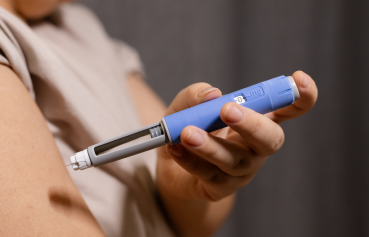









The Wegovy pill offers a needle-free path to the same active ingredient in the Wegovy injection: semaglutide. But does swapping the weekly shot for a daily tablet change what side effects you might experience?
Both formulations have similar side effect profiles. Still, there are key differences in timing and frequency, as well as other form-specific factors that are worth keeping in mind.
Quick answer: The Wegovy pill’s side effects at a glance
The Wegovy pill generally has the same side effects as the injection. These are mainly digestive, like nausea and vomiting. But taking a daily pill rather than a weekly shot may affect how and when you experience side effects.
The most common side effects in the OASIS 4 clinical trial included nausea, vomiting, constipation, diarrhea, and stomach pain.
In the trial, these side effects were generally mild to moderate and temporary: they typically improved within a few weeks of starting the treatment or increasing the dose.
However, both the pill and the injection may cause serious side effects, including pancreatitis, gallbladder issues, and thyroid concerns. The rates for some of these side effects, like gallstones, differ slightly between the two forms of Wegovy.
One key difference is that the pill eliminates injection site reactions, such as redness or itchiness where the shot is administered.
Check in with your care team if side effects are concerning or disruptive. You shouldn't suffer in silence. The knownwell team will work with you to troubleshoot any symptoms that arise.
What clinical trials tell us: Wegovy pill side effects vs injection
Results from the OASIS 4 (pill) and STEP 1 (injection) clinical trials show that the two forms of Wegovy have comparable safety profiles, with a few notable nuances.
7 side effects to know before starting the Wegovy pill
Whether you're considering the pill as your first choice or switching from the injection, here are the most common side effects and how to manage them.
1. Nausea and vomiting: The most common hurdle
Nausea affects nearly half of people taking the pill, making it the most frequently reported side effect in the OASIS 4 trial.
Daily dosing means your digestive system handles the medication every day, rather than every week, which can feel like a lot early on. With that said, in the OASIS 4 trial, digestive side effects were described as transient and generally mild to moderate in severity.
Digestive health guidelines for people taking GLP-1 medications like Wegovy recommend eating smaller meals throughout the day.
Large meals and greasy or oily foods tend to make nausea worse, since they slow digestion more, on top of what the medication is already achieving.
2. Diarrhea and constipation: Opposite problems, same cause
GLP-1 medications slow stomach emptying, which can cause fluctuations in digestion, sometimes in opposite directions.
Diarrhea can lead to dehydration, and dehydration can impair kidney function. So, it’s important to make sure you’re staying hydrated.
While 64 oz of water daily is a general starting point, the right amount can depend on your health profile, so check with your care team.
Constipation is another common side effect of oral semaglutide. Eating more fiber and drinking plenty of water can help, but if it doesn't ease up, your care team can suggest next steps.
3. Stomach pain and bloating: Your gut is adjusting
Abdominal discomfort, bloating, gas, and heartburn are also common, particularly as your body adjusts to the medication. These symptoms usually improve over time. Eating slowly and having smaller portions can help.
Triggers for acid reflux include alcohol, caffeine, citrus foods, tomatoes, chocolate, and spicy or oily foods. Also, lying down too soon after eating can worsen reflux symptoms, so it’s better to sit or walk after a meal.
4. Headache and fatigue: Often overlooked
Fatigue is a recognized side effect of semaglutide, and it’s generally temporary.
It may be linked to reduced calories, since GLP-1 medications like Wegovy reduce appetite and food intake. Fatigue may also stem from your body adjusting to the medication.
Headache is also commonly reported, and it’s often linked to changes in eating patterns or hydration during GLP-1 therapy.
At knownwell, we recommend eating regular meals and drinking plenty of fluids throughout the day, to help with both of these symptoms.
5. Low blood sugar: A risk for some
Low blood sugar is most relevant for people who also take diabetes medications, such as sulfonylureas or insulin. It's less common in people without diabetes.
Signs include shakiness, sweating, confusion, and a rapid heartbeat.
If you take diabetes medications alongside the Wegovy pill, talk to your care team, who may need to adjust your medication.
6. Gallbladder problems: A serious but uncommon risk
Gallstones were reported in 2.5% of pill users, compared with 1.6% of injection users, in clinical trials. Rapid weight loss from any cause increases gallbladder risk.
Signs include upper-right abdominal pain, fever, and yellowing of the skin.
Please also notify your care team if you experience any recurrent cramping after you start the medication.
7. Pill-specific consideration: No injection site reactions
Some people who use the Wegovy injection experience skin reactions at the injection site, such as redness, swelling, or itchiness. Because the pill is taken orally, it eliminates this side effect entirely.
However, the pill is linked with skin sensitivity, including tingling or burning sensations. This sensitivity was reported by 4.9% of pill users in the OASIS 4 clinical trial.
Serious side effects: Same warnings for both forms
The Wegovy pill and injection carry the same black box warning about the risk of serious side effects. This is the most serious warning that the FDA gives.
Thyroid tumors are the subject of the boxed warning. Animal studies of the medication showed evidence of thyroid C-cell tumors.
While the risk hasn't been confirmed in humans, anyone with a personal or family history of medullary thyroid carcinoma or multiple endocrine neoplasia type 2 shouldn’t take this medication.
Pancreatitis is another serious risk. If you experience severe abdominal pain that won't go away, stop the medication immediately and seek care at the closest emergency department.
Also, kidney problems can develop if digestive side effects lead to dehydration. Staying well-hydrated throughout the treatment helps protect against this risk.
As with any medication, allergic reactions are possible, and they can be very serious. Watch for any swelling, difficulty breathing, or rash, and seek emergency care right away if any of these symptoms develop.
Aspiration risk during surgery is also a consideration, since GLP-1 medications slow stomach emptying. Let your care team know before you have any procedure that requires anesthesia.
Earlier versions of the Wegovy label included a warning about depression and suicidal thoughts. In January 2026, the FDA completed a full review and found no increased risk of these concerns with GLP-1 medications.
With that said, if you notice any new or worsening changes in your mood while taking this medication, let your care team know.
Why the pill and shot may feel different, even with similar side effects
The Wegovy pill and injection have similar overall side effects, but how and when you feel them can be different. It’s because the two forms work their way into your body very differently.
The injection is absorbed slowly over several days. Levels of Wegovy peak in your bloodstream around 1–3 days after your shot and gradually taper until your next dose.
The pill works differently. Because you take it every day, and Wegovy stays in your body for about 1 week, no matter how it enters, daily oral dosing builds toward a steady amount of medication in your system.
Though taking a daily pill doesn’t have the peak-and-trough pattern of a weekly shot, how much medication your body actually absorbs can vary from dose to dose.
The pill also has a unique feature: an absorption enhancer called salcaprozate sodium (SNAC). Each tablet dissolves in your stomach, creating a high local concentration of the active ingredient, semaglutide. SNAC helps carry the medication across your stomach’s lining and into your bloodstream.
SNAC briefly disrupts the stomach’s lining to help absorption. This is likely why excessive belching was reported in 14% of people taking oral semaglutide, compared with none taking the injectable form, in a real-world comparison study.
Overall rates of nausea, vomiting, and diarrhea are similar between the two forms of Wegovy. But if you do experience nausea with the pill, it may feel more consistent day to day, rather than linked to the day of the shot.
Who might experience more side effects of the pill
People with stomach conditions like gastroparesis or GERD may have a higher risk of digestive complications when they take semaglutide. If you have a digestive health condition, talk to your care team before you start either form of Wegovy.
Also, the pill needs to be taken every day on an empty stomach, first thing in the morning, with a 30-minute wait before you have any other medications, food or drinks.
People with inconsistent morning routines may have inconsistent absorption of the medication. This can affect both the results of the treatment and how well your body tolerates it.
Breastfeeding is another consideration. The Wegovy pill isn’t recommended during breastfeeding because its absorption enhancer, SNAC, may be present in breast milk.
Babies have a harder time clearing SNAC from their systems, so there’s a risk of buildup. The injection doesn’t contain SNAC, so it has less restrictive guidance during breastfeeding.
Practical tips: Managing the Wegovy pill’s side effects
Most side effects improve with time and the right approach. Here's how to set yourself up for success.
Follow the dose escalation schedule your care team recommends: don't rush to the full 25 mg dose. Stepping up gradually gives your body time to adjust and can reduce side effects.
Take the pill first thing in the morning on an empty stomach, with no more than 4 oz of water, then wait at least 30 minutes before eating, drinking anything else, or taking other medications.
Skipping this window reduces how much of the medication your body absorbs, which can affect both results and tolerability.
Eat smaller, more frequent meals throughout the day to help with nausea and fatigue. Choosing bland, low-fat foods and simple cooking methods, like baking or steaming, is easier on your body as it adjusts.
Stay well-hydrated, especially if you're dealing with diarrhea or vomiting. Dehydration can worsen nausea and, in rare cases, lead to kidney complications.
Keep a symptom journal to share with your care team. It helps them identify patterns and guide adjustments.
If side effects are concerning, speak with your care team, rather than stopping the treatment on your own. A dose adjustment may be all that's needed.
When to call your care team about side effects
Most side effects are manageable, but some need prompt attention.
Symptoms of a severe allergic reaction, including swelling or difficulty breathing, require emergency care.
Contact your care team right away if you have severe abdominal pain that won't go away. This can be a sign of pancreatitis, which requires emergency care.
Signs of gallbladder problems — right-sided abdominal pain, fever, or jaundice — also warrant same-day contact.
In addition, contact your care team about:
- Persistent vomiting or diarrhea, which could lead to dehydration
- Any signs of low blood sugar that don't resolve
- New or worsening mood changes
- Any lump or swelling in the neck, hoarseness, or trouble swallowing
When managing side effects isn’t enough
Easing side effects is just one part of successful weight management. Even when you find the right medication and tolerate it well, lasting results often require more than a prescription alone.
Your hormones, metabolism, and responses to food all play a role in weight management, and these factors vary for everyone. knownwell's whole-person approach is designed for exactly that complexity.
What knownwell offers:
- Clinicians who specialize in obesity medicine and metabolic health
- Registered dietitians who can help you adjust your eating patterns to minimize digestive side effects
- Personalized guidance about whether the pill or injection might work better for you
- Compassionate, judgment-free care focused on your whole health
Ready to get started?
- Virtual visits: Available from home in all 50 states
- In-person clinics: Boston area, Chicago, Dallas/Fort Worth, and Atlanta
- Insurance accepted: Most major plans offer coverage. See if we accept your insurance.
Need help managing the Wegovy pill’s side effects? Book a visit with knownwell, so we can help you navigate treatment with confidence and focus on feeling stronger over time.
Frequently asked questions
Are the Wegovy pill’s side effects worse than the injection’s?
No, the pill’s side effects aren’t worse than the injection’s overall. Both mainly cause digestive side effects, such as nausea, vomiting, diarrhea, and constipation.
How long do the Wegovy pill’s side effects last?
The Wegovy pill’s side effects usually occur during the dose escalation period, which lasts about 90 days. During this time, your dose increases every 4 weeks, from 1.5 mg to 4 mg, 9 mg, and 25 mg.
Digestive side effects are generally mild to moderate and temporary, improving as your body adjusts to each new dose.
Can I switch from the Wegovy injection to the pill if I'm having side effects?
Yes, switching from the Wegovy injection to the pill is possible with guidance from your care team.
The team can help you transition safely and may adjust the timing and starting dose based on how well you’ve tolerated the injectable form.
Does the Wegovy pill cause more nausea than the shot?
No, the Wegovy pill doesn’t cause significantly more nausea than the shot. Rates are similar: nausea affected 46.6% of pill users in the OASIS 4 trial, compared with 43.9% of injection users across the pooled STEP trials.
What should I do if I can't tolerate the Wegovy pill’s side effects?
If any side effects are concerning or disruptive, contact your care team. They may slow your dose escalation schedule, adjust your nutrition plan, or discuss whether the injection is a better fit. Don't stop the medication without consulting them first.
Are any side effects unique to the Wegovy pill?
Yes, some side effects are more specific to the Wegovy pill. Skin sensitivity, including tingling or burning sensations, was reported in 4.9% of pill users, compared with 2% of Wegovy injection users.
Will the pill’s side effects affect my daily activities?
For most people who experience these side effects, they’re mild to moderate and temporary, and they don't significantly disrupt daily life.
Can I take anti-nausea medication with the Wegovy pill?
Check with your care team before taking anti-nausea medication with the Wegovy pill. They can recommend safe options based on your health history and current medications.
Your care team can also recommend dietary or dosing adjustments that may resolve the nausea in the first place.
Does the Wegovy pill affect the absorption of other medications?
Yes, the Wegovy pill can affect when you absorb other medications. Because the pill requires a 30-minute window before you take any other medicines, or have any food or drinks, you'll need to plan your morning routine carefully.
If you take thyroid medication or other prescriptions in the mornings, talk with your care team about the right sequence to make sure your body can properly absorb each medication.
Source list
Armstrong, L. E., Johnson, E. C. (2018). Water intake, water balance, and the elusive daily water requirement. Nutrients, 10(12), 1928. doi:10.3390/nu10121928. Retrieved from https://pmc.ncbi.nlm.nih.gov/articles/PMC6315424/
Danne, T., Grunberger, G., Cariou, B., et al. (2021). Safety of semaglutide. Frontiers in Endocrinology, 12, 645563. doi:10.3389/fendo.2021.645563. Retrieved from https://pmc.ncbi.nlm.nih.gov/articles/PMC8294388/
Ferreira, E. T., Garcia, L. M. P., Londero, R. G. (2025). Headache and GLP-1 receptor agonists: When medications are therapeutic and when they contribute to the symptom. Arquivos de Neuro-Psiquiatria, 83(10), s00451812303. doi:10.1055/s-0045-1812303. Retrieved from https://pmc.ncbi.nlm.nih.gov/articles/PMC1255869/
Fitch, A., Gigliotti, L., Bays, H. E. (2025). Application of nutrition interventions with GLP-1 based therapies: A narrative review of the challenges and solutions. Obesity Pillars, 16, 100205. doi:10.1016/j.obpill.2025.100205. Retrieved from https://pmc.ncbi.nlm.nih.gov/articles/PMC12475867/
Gabe, M. B. N., Breitschaft, A., Knop, F. K., et al. (2024). Effect of oral semaglutide on energy intake, appetite, control of eating and gastric emptying in adults living with obesity: A randomized controlled trial. Diabetes, Obesity and Metabolism, 26(10), 4480–4489. doi:10.1111/dom.15802. Retrieved from https://dom-pubs.onlinelibrary.wiley.com/doi/full/10.1111/dom.15802
Gentinetta, S., Sottotetti, F., Manuelli, M., et al. (2024). Dietary recommendations for the management of gastrointestinal symptoms in patients treated with GLP-1 receptor agonist. Diabetes, Metabolic Syndrome and Obesity, 17, 4817–4824. doi:10.2147/DMSO.S494919. Retrieved from https://pmc.ncbi.nlm.nih.gov/articles/PMC11668918/
Gibbons, C., Blundell, J., Tetens Hoff, S., et al. (2021). Effects of oral semaglutide on energy intake, food preference, appetite, control of eating and body weight in subjects with type 2 diabetes. Diabetes, Obesity and Metabolism, 23(2), 581–588. doi:10.1111/dom.14255. Retrieved from https://pmc.ncbi.nlm.nih.gov/articles/PMC7839771/
Goyal, A., Daneshpajouhnejad, P., Hashmi, M. F., et al. (2023). Acute kidney injury. In StatPearls. StatPearls Publishing. Retrieved from https://www.ncbi.nlm.nih.gov/books/NBK441896/
Jones, M. W., Weir, C. B., Marietta, M. (2025). Gallstones (cholelithiasis). In StatPearls. StatPearls Publishing. Retrieved from https://www.ncbi.nlm.nih.gov/books/NBK459370/
Klobučar, S., Belančić, A., Bukša, I., et al. (2024). Effectiveness of oral versus injectable semaglutide in adults with type 2 diabetes: Results from a retrospective observational study in Croatia. Diabetology, 5(1), 60–68. doi:10.3390/diabetology5010005. Retrieved from https://www.mdpi.com/2673-4540/5/1/5
Kommu, S., Whitfield, P. (2024). Semaglutide. In StatPearls. StatPearls Publishing. Retrieved from https://www.ncbi.nlm.nih.gov/books/NBK603723/
Mathew, P., Thoppil, D. (2022). Hypoglycemia. In StatPearls. StatPearls Publishing. Retrieved from https://www.ncbi.nlm.nih.gov/books/NBK534841/
Ness-Jensen, E., Hveem, K., El-Serag, H., et al. (2016). Lifestyle intervention in gastroesophageal reflux disease. Clinical Gastroenterology and Hepatology, 14(2), 175–182.e3. doi:10.1016/j.cgh.2015.04.176. Retrieved from https://pmc.ncbi.nlm.nih.gov/articles/PMC4636482/
Novo Nordisk. (2025, September 17). Novo Nordisk's oral semaglutide 25 mg (Wegovy in a pill) delivered 16.6% weight loss in people with obesity in a newly published study [Press release]. GlobeNewsWire. Retrieved from https://www.globenewswire.com/news-release/2025/09/17/3152045/0/en/Novo-Nordisk-s-oral-semaglutide-25-mg-Wegovy-in-a-pill-delivered-16-6-weight-loss-in-people-with-obesity-in-a-newly-published-study.html
Singhal, R., Sachdeva, D., Wortman, K., II, et al. (2025). Unmasking semaglutide-induced gastroparesis: The dangers of rapid dose escalation in a diabetic patient. Cureus, 17(9), e91679. doi:10.7759/cureus.91679. Retrieved from https://pmc.ncbi.nlm.nih.gov/articles/PMC12497442/
Solis-Herrera, C., Kane, M. P., Triplitt, C. (2023). Current understanding of sodium N-(8-[2-hydroxylbenzoyl] amino) caprylate (SNAC) as an absorption enhancer: The oral semaglutide experience. Clinical Diabetes, 42(1), 74–86. doi:10.2337/cd22-0118. Retrieved from https://pmc.ncbi.nlm.nih.gov/articles/PMC10788673/
Stokes, C. S., Lammert, F. (2021). Excess body weight and gallstone disease. Visceral Medicine, 37(4), 254–260. doi:10.1159/000516418. Retrieved from https://pmc.ncbi.nlm.nih.gov/articles/PMC8406364/
Taylor, K., Tripathi, A. K. (2025). Adult dehydration. In StatPearls. StatPearls Publishing. Retrieved from https://www.ncbi.nlm.nih.gov/books/NBK555956/
Theodorakis, N., Kreouzi, M., Pappas, A., et al. (2024). Beyond calories: Individual metabolic and hormonal adaptations driving variability in weight management – a state-of-the-art narrative review. International Journal of Molecular Sciences, 25(24), 13438. doi:10.3390/ijms252413438. Retrieved from https://pmc.ncbi.nlm.nih.gov/articles/PMC11676201/
U.S. Food and Drug Administration. (2026, January 13). FDA requests removal of suicidal behavior and ideation warning from glucagon-like peptide-1 receptor agonist (GLP-1 RA) medications [Drug safety communication]. Retrieved from https://www.fda.gov/drugs/drug-safety-and-availability/fda-requests-removal-suicidal-behavior-and-ideation-warning-glucagon-peptide-1-receptor-agonist-glp
U.S. Food and Drug Administration (2025). WEGOVY (semaglutide) injection, for subcutaneous use; WEGOVY (semaglutide) tablets, for oral use. Retrieved from https://www.accessdata.fda.gov/drugsatfda_docs/label/2025/218316Orig1s000lbl.pdf
van Hout, M., Forte, P., Jensen, T. B., et al. (2023). Effect of various dosing schedules on the pharmacokinetics of oral semaglutide: A randomised trial in healthy subjects. Clinical Pharmacokinetics, 62(4), 635–644. doi:10.1007/s40262-023-01223-9. Retrieved from https://pmc.ncbi.nlm.nih.gov/articles/PMC10023024/
Wharton, S., Calanna, S., Davies, M., et al. (2022). Gastrointestinal tolerability of once-weekly semaglutide 2.4 mg in adults with overweight or obesity, and the relationship between gastrointestinal adverse events and weight loss. Diabetes, Obesity and Metabolism, 24(1), 94–105. doi:10.1111/dom.14551. Retrieved from https://pmc.ncbi.nlm.nih.gov/articles/PMC9293236/
Wharton, S., Lingvay, I., Bogdanski, P., et al. (2025). Oral semaglutide at a dose of 25 mg in adults with overweight or obesity. New England Journal of Medicine, 393(11), 1077–1087. doi:10.1056/NEJMoa2500969. Retrieved from https://www.nejm.org/doi/10.1056/NEJMoa2500969
Wilding, J. P. H., Batterham, R. L., Calanna, S., et al. (2021). Once-weekly semaglutide in adults with overweight or obesity. New England Journal of Medicine, 384(11), 989–1002. doi:10.1056/NEJMoa2032183. Retrieved from https://www.nejm.org/doi/10.1056/NEJMoa2032183
Yang, X. D., Yang, Y. Y. (2024). Clinical pharmacokinetics of semaglutide: A systematic review. Drug Design, Development and Therapy, 18, 2555–2570. doi:10.2147/DDDT.S470826. Retrieved from https://pmc.ncbi.nlm.nih.gov/articles/PMC11215664/
Zhang, M., Hou, Z. K., Huang, Z. B., et al. (2021). Dietary and lifestyle factors related to gastroesophageal reflux disease: A systematic review. Therapeutics and Clinical Risk Management, 17, 305–323. doi:10.2147/TCRM.S296680. Retrieved from https://pmc.ncbi.nlm.nih.gov/articles/PMC8055252/
