












%20(2).jpg)
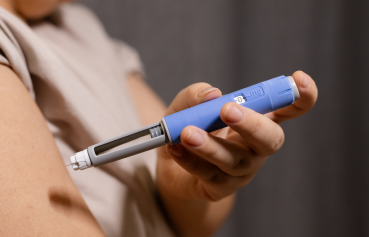
The best injection for weight loss depends on your body, your health conditions, and your care team’s recommendations.
Several FDA-approved medications are available, each with specific benefits, safety considerations, and approved uses.
How our guide works
This guide covers the seven most prescribed injections, how they compare in effectiveness, dosing, and approved uses, and the key side effects to know.
knownwell can help you decide which medication fits your situation and what to expect from long-term GLP-1-based treatment.
Disclaimer: There’s no single best weight-loss drug. The best fit is the one that matches your needs and medical history, and that you and your provider choose through shared decision-making.
Disclaimer: knownwell prescribes only branded, FDA-approved medications. Compounded versions of GLP-1 medications may contain inconsistent doses or ingredients that do not match FDA-approved formulations. These products can increase the risk of side effects and may not support effective weight loss.
Who qualifies for prescription weight-loss injections?
Adults who qualify for FDA-approved weight-loss injections need to meet at least one of the following criteria:
- A BMI of 30 or higher
- A BMI of 27 or higher with a weight-related condition such as type 2 diabetes, high blood pressure, sleep apnea, or fatty liver disease
Your care team will also consider your health history, medications, pregnancy plans, and long-term goals when deciding whether an injection is appropriate.
How we evaluated these weight-loss injections
We evaluated these weight-loss injections by looking beyond basic numbers to understand how these medications work in real life.
Our evaluation looks at how people actually use these treatments, including health goals, possible side effects, day-to-day experience, and access to care.
Clinical effectiveness
We reviewed each medication’s impact on:
- Average weight loss
- Improvements to metabolic health
- Additional benefits, such as heart-health outcomes or sleep apnea improvement
Side-effect profile
We looked at side effects, such as:
- Gastrointestinal symptoms
- Potential risk for gallbladder issues
- Contraindications in pregnancy
- Whether dose escalation affects tolerability
Access and coverage
Cost and insurance criteria vary widely. We took into account:
- How often medications are approved
- Common barriers
- Whether a medication is used for diabetes, obesity, or both
FDA approval status
Our evaluation stays within FDA criteria for:
- Obesity and overweight treatment
- Diabetes management
- Sleep apnea in adults (Zepbound)
- Cardiovascular risk reduction (Wegovy)
- Rare genetic forms of obesity (Imcivree)
Additional factors
- Weekly vs daily dosing
- Gradual dose increases
- Potential benefits for fatty liver disease markers
- Child/adolescent approval status, where applicable
Disclaimer: Pricing for weight-loss injections varies widely and depends on factors like your insurance plan, Medicare eligibility, pharmacy benefits, and the specific medication your care team prescribes.
Best weight-loss injections
Each medication below includes what it does, who benefits from it, and how it fits into a long-term treatment plan. While research can show which medications tend to support the greatest average weight loss, the right option depends on the individual.
1. Zepbound (tirzepatide 2.5 mg, 5 mg, 7.5 mg, 10 mg, 12.5 mg, 15 mg)
Zepbound contains tirzepatide, a medication that activates both GLP-1 and GIP receptors.
What Zepbound does
- Helps reduce appetite and portion sizes
- Supports lower blood sugar and improved metabolic markers
- Targets two hormone receptors involved in weight regulation
Who it’s for
Consider Zepbound if you:
- Live with obesity or are overweight and have a weight-related condition
- Have obstructive sleep apnea and meet eligibility criteria
- Are looking for a weekly medication
- Have not reached your goals with other options
Key features
- Dual-pathway approach supports meaningful weight loss
- Weekly injection
- Approved for both obesity and sleep apnea in adults
Benefit(s)
- A review of clinical trials shows weight loss in people without type 2 diabetes (up to 20.9%) and in those with type 2 diabetes (up to 14.7%).
- A weekly dosing schedule offers convenience over a daily routine.
- In this study of people with obstructive sleep apnea taking Zepbound, 42% to 51.5% met the criteria for disease resolution (defined as fewer than 5 breathing pauses per hour, or mild sleep apnea without excessive sleepiness) after one year.
Considerations
- Insurance coverage varies
- Gastrointestinal symptoms usually occur during dose escalation
- Not recommended during pregnancy or breastfeeding
Pricing
If you are self-paying, Zepbound can cost over $1,200 per month.
Bottom line
Zepbound is a helpful option for adults looking for significant weight loss or support for sleep apnea. The right choice depends on your goals, your health profile, and how you respond to medication over time.
2. Wegovy (semaglutide 2.4 mg)
Wegovy contains semaglutide, a medication studied extensively for weight loss and cardiovascular benefits in adults with obesity or overweight and heart disease.
What Wegovy does
Who it’s for
Consider Wegovy if you:
- Live with obesity or are overweight and have a related condition
- Prefer weekly dosing
- Are interested in a medication with cardiovascular benefits
- Have risk factors for fatty liver disease or metabolic concerns
Key features
- Studies show weight-loss outcomes (ranging from 14.9 to 17.4% over 68 weeks) when combined with nutrition and lifestyle support
- Weekly dosing
- FDA approved for reducing cardiovascular events in certain adults
Benefit(s)
- Supports weight loss and heart-health outcomes
- Once-weekly injection
- Helpful for people managing multiple metabolic conditions
Considerations
- Gastrointestinal side effects occur, especially during dose increases
- Insurance requirements are strict
- Not suitable during pregnancy or breastfeeding
Pricing
If you are self-paying, Wegovy costs over $1,300 per month.
Bottom line
Wegovy is often considered for adults who want support with weight loss and heart health. Your care team will help determine whether it fits your health history and insurance requirements.
3. Ozempic (semaglutide 0.25 mg, 0.5 mg, 1 mg, 2 mg)
People often compare Ozempic and other weight-loss drugs such as Wegovy, Zepbound, and Saxenda.
Ozempic is a weekly semaglutide injection approved for type 2 diabetes. It is approved for diabetes management at lower doses with weight loss as a beneficial side effect.
What Ozempic does
Who it’s for
Consider Ozempic if you:
- Have type 2 diabetes
- Are looking for better glucose control with added weight-loss effects
- Need a medication with strong evidence for reducing cardiovascular risk in diabetes
Key features
- Weekly injection
- Weight loss averaged 6% to 7% of body weight at a dose of 1.0 mg in clinical trials for type 2 diabetes
Benefit(s)
- Strong evidence for type 2 diabetes management
- Weekly dosing
- Supports weight reduction
Considerations
- Not FDA-approved solely for weight loss
- Some insurance plans require proof of prior medication trials
- Gastrointestinal side effects are possible
Pricing
If you are self-paying, Ozempic can cost over $1,300 per month.
Bottom line
Ozempic is approved for type 2 diabetes. Your care team may prescribe it it fo for its weight management benefits alongside glucose control
4. Mounjaro (tirzepatide 2.5 mg, 5 mg, 7.5 mg, 10 mg, 12.5 mg, 15 mg)
Mounjaro contains tirzepatide, the same active ingredient as Zepbound, but it is FDA-approved specially for type 2 diabetes and not obesity.
What Mounjaro does
Who it’s for
Consider Mounjaro if you:
- Have type 2 diabetes
- Want support with both blood sugar control and weight reduction
- Prefer a weekly injection
Key features
- Uses a dual GIP/GLP-1 receptor agonist (RA) mechanism
- Weekly dosing
- It can support weight loss in people with diabetes
Benefit(s)
- Strong blood sugar control
- Weekly dosing
- Supports weight loss
Considerations
- Not FDA-approved for obesity
- Gastrointestinal symptoms during dose escalation
- Coverage varies
Pricing
If you are self-paying, Mounjaro costs over $1,300 per month.
Bottom line
Mounjaro is approved for type 2 diabetes. Your care team may prescribe it it fo for its weight management benefits alongside glucose control.
5. Saxenda (liraglutide 3.0 mg)
Saxenda contains liraglutide, a medication approved for weight loss.
What Saxenda does
Who it’s for
Consider Saxenda if you:
- Prefer a daily medication
- Haven’t tolerated weekly medications
Key features
- Daily dosing
- FDA-approved for weight loss
Benefit(s)
- Daily dosing allows for smaller incremental increases
Considerations
- Daily injections
- Generally less weight loss compared with newer medications
- Gastrointestinal side effects occur
Pricing
If you are self-paying, Saxenda costs over $1,600 per month.
Bottom line
Saxenda is a helpful option for adults or adolescents who prefer daily dosing or who do not have access to newer weekly medications.
6. Victoza (liraglutide 0.6 mg, 1.2 mg, 1.8 mg)
Victoza contains liraglutide, the same active ingredient as Saxenda, but at a lower dose.
What Victoza does
- Lowers blood sugar
- Helps reduce appetite
- Supports metabolic health
Who it’s for
Consider Victoza if you:
- Have type 2 diabetes
- Want support with modest weight loss
- Prefer a daily option
Key features
- Daily injection
- Consistent dose options
- Supports blood sugar control
Benefit(s)
- Strong evidence for type 2 diabetes treatment
- Daily dosing allows gradual adjustments
Considerations
- Smaller weight loss compared with weekly medications
- Requires daily injection
- Coverage varies
Pricing
If you are self-paying, Victoza costs over $730 per month.
Bottom line
Victoza is a good fit for adults with type 2 diabetes who prefer a daily medication and want support with modest weight loss.
7. Imcivree (setmelanotide 2mg, 3mg)
Imcivree contains setmelanotide, a medicine used for certain genetic conditions that cause constant hunger and weight gain.
What Imcivree does
- Helps people with certain rare genetic conditions lose weight and keep it off
- Reduces constant hunger
- Helps your body use more energy
Who it’s for
Consider Imcivree if you:
- Have a confirmed eligible genetic obesity syndrome
- Have early-onset, severe obesity
- Are working with a specialist in genetic obesity
Key features
- Daily injection
- Approved for certain adults and children 2+
- Designed for rare, inherited obesity conditions
Benefits
- Meaningful weight loss in eligible conditions
- Helps lower hunger, so it’s easier to eat less
Considerations
- Only for specific, genetically confirmed conditions
- Possible side effects, including skin color changes and nausea
- Requires close follow-up with a specialist
Pricing
If you are self-paying, Imcivree can cost over $37,000 per month.
Bottom line
Imcivree may help people with rare, genetically driven obesity when other options have not worked.
Which weight-loss injection should you choose?
Your knownwell care team is expert at determining which is the most appropriate weight-loss drug for you.
Choose Zepbound if you:
- Live with obesity or are overweight and have a related condition
- Want strong weight-loss support
- Have obstructive sleep apnea and meet criteria
- Prefer weekly dosing
Choose Wegovy if you:
- Want support with weight loss
- Have heart disease and are overweight or obese (to reduce cardiovascular risk)
- Prefer a weekly medication
Choose Ozempic if you:
- Have type 2 diabetes
- Want weight-loss benefits alongside glucose control
- Prefer weekly dosing
Choose Mounjaro if you:
- Have type 2 diabetes and want strong glycemic control
- Would benefit from added weight-loss effects
- Prefer a weekly medication
Choose Saxenda if you:
- Prefer a daily medication
- Haven’t tolerated weekly injections
- Want support with modest weight loss
Choose Victoza if you:
- Have type 2 diabetes
- Prefer a daily option
- Want support with modest weight loss
Choose Imcivree if you:
- Have a rare genetic condition that causes obesity
- Have genetic testing that confirms you qualify
- Have strong, ongoing hunger
- Are okay with a daily injection
Speak with your care team if:
- You are pregnant or planning a pregnancy
- You are breastfeeding
- You have a personal or family history of medullary thyroid carcinoma or multiple endocrine neoplasia type 2 (FDA boxed warning)
Our final verdict
Our final verdict is that the best injection for weight loss depends on the person. Each of these weight-loss shots can be helpful in the right circumstances.
But the best weight-loss injection depends on your health history, how you feel about weekly or daily dosing, and the conditions you’re managing.
Some people benefit from weight-loss medications like Zepbound, Wegovy, or Imcivree. While others find that options used for type 2 diabetes (such as Ozempic, Mounjaro, Saxenda, or Victoza) better match their needs.
What knownwell offers:
- Personalized nutrition plans tailored to your journey
- Physicians specializing in metabolic health
- Registered dietitians for medical nutrition therapy and ongoing food guidance
- Compassionate, judgment-free care and practical tips from knownwell professionals
This kind of integrated support helps you find what works for your body.
Ready to get started?
- Virtual visits: Available from home in all 50 states
- In-person clinics: Boston area, Chicago, Dallas/Fort Worth, and Atlanta
- Insurance accepted: Most major plans offer coverage. See if we accept your insurance.
Your care team will help you find the right mix of exercise, nutrition, and medical support for your body. This means you can feel stronger, more energized, and confident in your own health journey.
Frequently Asked Questions
What is the best weight-loss shot in 2025?
The best weight-loss shot varies by individual. Medications like Zepbound and Wegovy often show meaningful weight-loss outcomes.
Your health history, related conditions, and insurance coverage all factor in.
How much weight can you lose with Zepbound or Wegovy?
The amount of weight you can lose varies. Depending on the dose, the data from clinical trials differ, but many show that with tirzepatide (Zepbound), you can lose up to 20.9% of body weight (after 72 weeks). While with semaglutide (Wegovy), you can lose an average of 14.9%.
How much weight loss is safe?
Clinical guidelines typically recommend an initial goal of losing 5% to 10% of your body weight over a period of 6 months.
Rapid weight loss increases muscle loss and can slow metabolism over time. Your care team will monitor your progress so that you lose weight safely.
Is Mounjaro the same as Zepbound?
Both Mounjaro and Zepbound contain tirzepatide. Zepbound is approved for obesity and sleep apnea, while Mounjaro is approved for type 2 diabetes.
What is the difference between Zepbound and Mounjaro?
The key difference is their FDA-approved uses, dosing guidance, and insurance criteria.
Is Mounjaro approved for weight loss?
No, Mounjaro is FDA-approved for type 2 diabetes. Zepbound (with the same active ingredient, tirzepatide) is the version approved for chronic weight management.
What is the difference between Ozempic and Wegovy?
Ozempic and Wegovy contain the same active ingredient (semaglutide), but they’re FDA-approved for different uses (type 2 diabetes vs. weight management).
Can I get weight-loss shots without having diabetes?
Yes, some medications are FDA-approved for weight loss in adults without diabetes, including Zepbound and Wegovy.
What are Wegovy side effects and Ozempic side effects?
Common side effects include nausea, vomiting, diarrhea, and constipation. Dose escalation helps many people tolerate medication more comfortably.
Which injection is more affordable?
Cost depends on your insurance coverage, which varies significantly between plans. Some insurance plans cover medications for weight management, while others don't. Your care team can help you understand your coverage options.
What is the safest weight-loss injection?
Safety depends on your medical history. Most weight-loss injections have similar common side effects. Your care team will help determine what’s appropriate.
Are GLP-1s approved for teens?
Saxenda is approved for adolescents ages 12 and older. Wegovy is approved for certain adolescents. Zepbound is approved only for adults.
Do these medications require long-term use?
These medications are often used long-term. If stopped, appetite and weight could return, which is why ongoing support is important.
Are these injections covered by insurance?
Coverage depends on your diagnosis and your plan’s criteria.
Which injection do you lose the most weight on?
Medications like Zepbound and Wegovy tend to produce higher average weight-loss outcomes. What works best for you depends on your health history and preferences.
Does Wegovy help with heart disease?
Wegovy is approved to reduce the risk of cardiovascular events in adults with obesity or overweight and heart disease.
Does Zepbound help with obstructive sleep apnea?
Yes, Zepbound is approved to help improve obstructive sleep apnea severity in eligible adults.
Can semaglutide help with fatty liver disease?
Semaglutide may improve certain markers associated with fatty liver disease, though it's not yet approved specifically for this condition.
Do people get more acid reflux on GLP-1s?
Some people experience increased acid reflux or heartburn, as these medications slow stomach emptying.
If acid reflux feels disruptive, check in with your care team - you shouldn't have to suffer in silence.
How can you manage nausea on GLP-1 medications?
Many people feel better with smaller meals, choosing lean proteins, staying hydrated, and limiting high-fat foods.
If nausea feels disruptive, check in with your care team - you shouldn't have to just push through.
Do people get constipated on GLP-1s?
Yes, constipation does occur, especially during dose escalation.
How can I manage constipation on GLP-1 medications?
Hydration, non-starchy vegetables and other fiber-rich foods, movement, and regular follow-up with your care team can help.
If constipation feels disruptive, check in with your care team - you shouldn't have to suffer through.
Can you take these medications while pregnant?
No, these medications should be stopped before pregnancy. Your care team will guide timing.
Can you take GLP-1s while breastfeeding?
These medications are not recommended during breastfeeding. Any decision should involve a thorough risk-benefit discussion with your care team.
How soon after delivering my baby can I start GLP-1 medications?
The right timing dependson breastfeeding, recovery, and medical history. Your care team will help determine your timeline.
When do I have to stop GLP-1 medications before surgery?
Most patients can safely continue these medications before elective surgery, based on 2024 multi-society guidance.
If medication needs to be held, the recommendation is to stop daily medications on the day of surgery and weekly medications one week before surgery.
When can I resume GLP-1 medications after surgery?
Your surgeon and care team will determine the safest time to restart medications.
Can GLP-1s cause hair loss?
Some individuals notice increased hair loss. Balanced nutrition can help support hair health.
Do GLP-1s help with inflammation or swelling?
GLP-1s appear to have anti-inflammatory effects linked to weight loss and metabolic improvements, but results vary by individual.
Do GLP-1s help with bloating?
Generally, no. In fact, bloating (medically termed abdominal distension) is a known side effect that increases, especially when starting treatment.
Source list
Alkhezi, O. S., Alahmed, A. A., Alfayez, O. M., et al. (2023). Comparative effectiveness of glucagon-like peptide-1 receptor agonists for the management of obesity in adults without diabetes: A network meta-analysis of randomized clinical trials. Obesity Reviews, 24(3), e13543. doi:10.1111/obr.13543. Retrieved from https://pubmed.ncbi.nlm.nih.gov/36579723/
Anderson, S. L., & Marrs, J. C. (2023). Tirzepatide for type 2 diabetes. Drugs in Context, 12, 2023-6-1. doi:10.7573/dic.2023-6-1. Retrieved from https://pmc.ncbi.nlm.nih.gov/articles/PMC10470858/
Aronne, L. J., Sattar, N., Horn, D. B., et al. (2024). Continued treatment with tirzepatide for maintenance of weight reduction. JAMA, 330(24), 2382-2394. doi:10.1001/jama.2023.24945. Retrieved from https://pmc.ncbi.nlm.nih.gov/articles/PMC10714284/
Ashtary-Larky, D., Ghanavati, M., Alipour, M., et al. (2020). Effects of gradual weight loss v. rapid weight loss on body composition and RMR: A systematic review and meta-analysis. British Journal of Nutrition, 124(11), 1121-1132. doi:10.1017/S000711452000224X. Retrieved from https://pubmed.ncbi.nlm.nih.gov/32576318/
Balcázar-Valencia, C. M., García-Ramos, A. F., Osorio-Toro, L. M., et al. (2024). Semaglutide effects on metabolic outcomes in diabetes mellitus patients - Real world study. Diabetes, Metabolic Syndrome and Obesity, 17, 1667-1673. doi:10.2147/DMSO.S443115. Retrieved from https://pmc.ncbi.nlm.nih.gov/articles/PMC11016261/
Berg, S., Avgerinos, K. I., Helge, J. W., et al. (2025). Discontinuing glucagon-like peptide-1 receptor agonists and body habitus: A systematic review and meta-analysis. Obesity Reviews, 26(8), e13929. doi:10.1111/obr.13929. Retrieved from https://onlinelibrary.wiley.com/doi/10.1111/obr.13929
Bergmann, N. C., Lowe, M. R., Efforts, J. M., et al. (2022). Semaglutide for the treatment of overweight and obesity. Obesity, 30(10), 1945-1959. doi:10.1002/oby.23538. Retrieved from https://pmc.ncbi.nlm.nih.gov/articles/PMC10092086/
Blundell, J., Finlayson, G., Axelsen, M., et al. (2017). Effects of once‐weekly semaglutide on appetite, energy intake, control of eating, food preference and body weight in subjects with obesity. Diabetes, Obesity and Metabolism, 19(9), 1242-1251. doi:10.1111/dom.12932. Retrieved from https://pmc.ncbi.nlm.nih.gov/articles/PMC5573908/
Bramante, C. T., Lee, C. J., Gudzune, K. A. (2017). Treatment of obesity in patients with diabetes. Diabetes Spectrum, 30(4), 237-243. doi:10.2337/ds17-0030. Retrieved from https://pmc.ncbi.nlm.nih.gov/articles/PMC5687113/
Buontempo, M. G., & Santos, B. T. (2025). Exploring the hair loss risk in glucagon-like peptide-1 agonists: Emerging concerns and clinical implications. Journal of the European Academy of Dermatology & Venereology, 39(2), 263-264. doi:10.1111/jdv.20512. Retrieved from https://onlinelibrary.wiley.com/doi/10.1111/jdv.20512
Chen, K. Y., Muniyappa, R., Abel, B. S., et al. (2015). RM-493, a melanocortin-4 receptor (MC4R) agonist, increases resting energy expenditure in obese individuals. The Journal of Clinical Endocrinology & Metabolism, 100(4), 1639-1645. doi:10.1210/jc.2014-4024. Retrieved from https://pmc.ncbi.nlm.nih.gov/articles/PMC4399297/
Frías, J. P., Auerbach, P., Bajaj, H. S., et al. (2021). Efficacy and safety of once-weekly semaglutide 2·0 mg versus 1·0 mg in patients with type 2 diabetes (SUSTAIN FORTE): a double-blind, randomised, phase 3B trial. The Lancet Diabetes & Endocrinology, 9(9), 563–574. doi:10.1016/S2213-8587(21)00174-1. Retrieved from https://wvctsi.org/media/14560/sustain-forte.pdf
Gentinetta, S., Sottotetti, F., Manuelli, M., et al. (2024). Dietary recommendations for the management of gastrointestinal symptoms in patients treated with GLP-1 receptor agonist. Diabetes, Metabolic Syndrome and Obesity, 17, 4817-4824. doi:10.2147/DMSO.S494919. Retrieved from https://pmc.ncbi.nlm.nih.gov/articles/PMC11668918/
Ghusn, W., & Hurtado, M. D. (2024). Glucagon-like receptor-1 agonists for obesity: Weight loss outcomes, tolerability, side effects, and risks. Obesity Pillars, 12, 100127. doi:10.1016/j.obpill.2024.100127. Retrieved from https://pmc.ncbi.nlm.nih.gov/articles/PMC11404059/
GoodRx. (n.d.). Imcivree prices, coupons, copay cards, and patient assistance. Retrieved from https://www.goodrx.com/imcivree
GoodRx. (n.d.). Mounjaro prices, coupons, copay cards, and patient assistance. Retrieved from https://www.goodrx.com/mounjaro
GoodRx. (n.d.). Ozempic prices, coupons, copay cards, and patient assistance. Retrieved from https://www.goodrx.com/ozempic
GoodRx. (n.d.). Saxenda prices, coupons, copay cards, and patient assistance. Retrieved from https://www.goodrx.com/saxenda?label_override=saxenda
GoodRx. (n.d.). Victoza prices, coupons, copay cards, and patient assistance. Retrieved from https://www.goodrx.com/victoza?label_override=victoza
GoodRx. (n.d.). Wegovy prices, coupons, copay cards, and patient assistance. Retrieved from https://www.goodrx.com/care/services/glp-1-weight-loss/wegovy-online
GoodRx. (n.d.). Zepbound prices, coupons, and patient assistance. Retrieved from https://www.goodrx.com/zepbound?label_override=zepbound&form=carton&dosage=4-vials-of-5mg-0.5ml&quantity=1&drugId=100271
Gorgojo-Martínez, J. J., Mezquita-Raya, P., Carretero-Gómez, J., et al. (2023). Clinical recommendations to manage gastrointestinal adverse events in patients treated with GLP-1 receptor agonists: A multidisciplinary expert consensus. Journal of Clinical Medicine, 12(1), 145. doi:10.3390/jcm12010145. Retrieved from https://pmc.ncbi.nlm.nih.gov/articles/PMC9821052/
Haqq, A. M., Chung, W. K., Dollfus, H., et al. (2022). Efficacy and safety of setmelanotide, a melanocortin-4 receptor agonist, in patients with Bardet-Biedl syndrome and Alström syndrome: a multicentre, randomised, double-blind, placebo-controlled, phase 3 trial. The Lancet Diabetes & Endocrinology, 10(12), 859-868. doi:10.1016/S2213-8587(22)00277-7. Retrieved from https://pmc.ncbi.nlm.nih.gov/articles/PMC9847480/
Haws, R., Brady, S., Davis, E., et al. (2020). Effect of setmelanotide, a melanocortin-4 receptor agonist, on obesity in Bardet-Biedl syndrome. Diabetes, Obesity and Metabolism, 22(11), 2133-2140. doi:10.1111/dom.14133. Retrieved from https://pmc.ncbi.nlm.nih.gov/articles/PMC7689750/
He, L., Wang, J., Ping, F., et al. (2022). Association of glucagon-like peptide-1 receptor agonist use with risk of gallbladder and biliary diseases: A systematic review and meta-analysis of randomized clinical trials. JAMA Internal Medicine, 182(5), 513-519. doi:10.1001/jamainternmed.2022.0338. Retrieved from https://pmc.ncbi.nlm.nih.gov/articles/PMC8961394/
Howell, R., Wright, A. M., Clements, J. N. (2019). Clinical potential of liraglutide in cardiovascular risk reduction in patients with type 2 diabetes: Evidence to date. Diabetes, Metabolic Syndrome and Obesity, 12, 505-512. doi:10.2147/DMSO.S174568. Retrieved from https://pmc.ncbi.nlm.nih.gov/articles/PMC6475096/
Ismaiel, A., Scarlata, G. G. M., Boitos, I., et al. (2025). Gastrointestinal adverse events associated with GLP-1 RA in non-diabetic patients with overweight or obesity: a systematic review and network meta-analysis. International Journal of Obesity, 49, 1946-1957. doi:10.1038/s41366-025-01859-6. Retrieved from https://www.nature.com/articles/s41366-025-01859-6
Jastreboff, A. M., Aronne, L. J., Ahmad, N. N., et al. (2022). Tirzepatide once weekly for the treatment of obesity. The New England Journal of Medicine, 387(3), 205-216. doi:10.1056/NEJMoa2206038. Retrieved from https://www.nejm.org/doi/10.1056/NEJMoa2206038
Jensen, T. L., Brønden, A., Karstoft, K., et al. (2024). The body weight reducing effects of tirzepatide in people with and without type 2 diabetes: A review on efficacy and adverse effects. Patient Preference and Adherence, 18, 373-382. doi:10.2147/PPA.S419304. Retrieved from https://pmc.ncbi.nlm.nih.gov/articles/PMC10861994/
Jensterle, M., Rizzo, M., Haluzík, M., et al. (2022). Efficacy of GLP-1 RA approved for weight management in patients with or without diabetes: A narrative review. Advances in Therapy, 39(6), 2452-2467. doi:10.1007/s12325-022-02153-x. Retrieved from https://pmc.ncbi.nlm.nih.gov/articles/PMC9063254/
Karrar, H. R., Nouh, M. I., Nouh, Y. I., et al. (2023). Tirzepatide-induced gastrointestinal manifestations: A systematic review and meta-analysis. Cureus, 15(9), e46091. doi:10.7759/cureus.46091. Retrieved from https://pmc.ncbi.nlm.nih.gov/articles/PMC10614464/
Latif, W., Lambrinos, K. J., Patel, P., et al. (2024). Compare and contrast the Glucagon-Like Peptide-1 receptor agonists (GLP1RAs). In StatPearls [Internet]. Treasure Island (FL): StatPearls Publishing. Retrieved from https://www.ncbi.nlm.nih.gov/books/NBK572151/
Malhotra, A., Grunstein, R. R., Fietze, I., et al. (2024). Tirzepatide for the treatment of obstructive sleep apnea and obesity. New England Journal of Medicine, 391(13), 1193-1205. doi:10.1056/NEJMoa2404881. Retrieved from https://www.nejm.org/doi/full/10.1056/NEJMoa2404881
Matikainen, N., Söderlund, S., Björnson, E., et al. (2019). Liraglutide treatment improves postprandial lipid metabolism and cardiometabolic risk factors in humans with adequately controlled type 2 diabetes: A single-centre randomized controlled study. Diabetes, Obesity and Metabolism, 21(1), 84-94. doi:10.1111/dom.13487. Retrieved from https://pmc.ncbi.nlm.nih.gov/articles/PMC6585708/
Mehdi, S. F., Pusapati, S., Anwar, M. S., et al. (2023). Glucagon-like peptide-1: A multi-faceted anti-inflammatory agent. Frontiers in Immunology, 14, 1148209. doi:10.3389/fimmu.2023.1148209. Retrieved from https://pmc.ncbi.nlm.nih.gov/articles/PMC10230051/
Moiz, A., Filion, K. B., Bhatt, D. L., et al. (2024). Long-term efficacy and safety of once-weekly semaglutide for weight loss in patients without diabetes: A systematic review and meta-analysis of randomized controlled trials. The American Journal of Cardiology, 222, 18-29. doi:10.1016/j.amjcard.2024.04.016. Retrieved from https://www.sciencedirect.com/science/article/pii/S0002914924003199
Mozaffarian, D., Agarwal, M., Aggarwal, M., et al. (2025). Nutritional priorities to support GLP-1 therapy for obesity: A joint advisory from the American College of Lifestyle Medicine, the American Society for Nutrition, the Obesity Medicine Association, and The Obesity Society. The American Journal of Clinical Nutrition, 122(1), 344-367. doi:10.1016/j.ajcnut.2025.04.023. Retrieved from https://ajcn.nutrition.org/article/S0002-9165(25)00240-0/fulltext
Novo Nordisk Inc. (2022). WEGOVY (semaglutide) injection, for subcutaneous use: Prescribing information. U.S. Food and Drug Administration. Retrieved from https://www.accessdata.fda.gov/drugsatfda_docs/label/2022/215256s005lbl.pdf
Novo Nordisk Inc. (2023). OZEMPIC (semaglutide) injection, for subcutaneous use: Prescribing information. U.S. Food and Drug Administration. Retrieved from https://www.accessdata.fda.gov/drugsatfda_docs/label/2023/209637s020s021lbl.pdf
Overgaard, R. V., Hertz, C. L., Ingwersen, S. H., Navarria, A., & Drucker, D. J. (2021). Levels of circulating semaglutide determine reductions in HbA1c and body weight in people with type 2 diabetes. Cell Reports Medicine, 2(9), 100387. doi:10.1016/j.xcrm.2021.100387. Retrieved from https://pmc.ncbi.nlm.nih.gov/articles/PMC8484505/
Papakonstantinou, I., Tsioufis, K., Katsi, V. (2024). Spotlight on the mechanism of action of semaglutide. Current Issues in Molecular Biology, 46(12), 14514-14541. doi:10.3390/cimb46120872. Retrieved from https://pmc.ncbi.nlm.nih.gov/articles/PMC11674233/
Patel, H., Jain, M., Gleason, C. R., et al. (2024). Gastrointestinal adverse events and weight reduction in people with type 2 diabetes treated with tirzepatide in the SURPASS clinical trials. Diabetes, Obesity and Metabolism, 26(2), 473-481. doi:10.1111/dom.15333. Retrieved from https://dom-pubs.onlinelibrary.wiley.com/doi/10.1111/dom.15333
Pi-Sunyer, X., Astrup, A., Fujioka, K., et al. (2015). A randomized, controlled trial of 3.0 mg of liraglutide in weight management. New England Journal of Medicine, 373(1), 11-22. doi:10.1056/NEJMoa1411892. Retrieved from https://www.nejm.org/doi/full/10.1056/NEJMoa1411892
Pratley, R. E., Aroda, V. R., Lingvay, I., et al. (2020). Impact of patient characteristics on efficacy and safety of once-weekly semaglutide versus dulaglutide in subjects with type 2 diabetes: SUSTAIN 7 post hoc analyses. BMJ Open, 10(11), e037883. doi:10.1136/bmjopen-2020-037883. Retrieved from https://pmc.ncbi.nlm.nih.gov/articles/PMC7670946/
Rodriguez, P. J., Cartwright, B. M. G., Gratzl, S., et al. (2024). Semaglutide vs tirzepatide for weight loss in adults with overweight or obesity. JAMA Internal Medicine, 184(9), 1056-1064. doi:10.1001/jamainternmed.2024.2525. Retrieved from https://jamanetwork.com/journals/jamainternalmedicine/fullarticle/2821080
Rubino, D., Abrahamsson, N., Davies, M., et al. (2021). Effect of continued weekly subcutaneous semaglutide vs placebo on weight loss maintenance in adults with overweight or obesity: The STEP 4 randomized clinical trial. JAMA, 325(14), 1414-1425. doi:10.1001/jama.2021.3224. Retrieved from https://jamanetwork.com/journals/jama/fullarticle/2777886
Ryan, D. H., Lingvay, I., Deanfield, J., et al. (2024). Long-term weight loss effects of semaglutide in obesity without diabetes in the SELECT trial. Nature Medicine, 30, 2049-2057. doi:10.1038/s41591-024-02996-7. Retrieved from https://www.nature.com/articles/s41591-024-02996-7
Rhythm Pharmaceuticals, Inc. (2024). IMCIVREE® (setmelanotide) injection, for subcutaneous use: Full Prescribing Information. U.S. Food and Drug Administration. Retrieved from https://www.accessdata.fda.gov/drugsatfda_docs/label/2024/213793s007lbl.pdf
Safwan, M., Bourgleh, M. S., Alotaibi, S. A., et al. (2025). Gastrointestinal safety of semaglutide and tirzepatide vs. placebo in obese individuals without diabetes: A systematic review and meta-analysis. Annals of Saudi Medicine, 45(2), 129-143. doi:10.5144/0256-4947.2025.129. Retrieved from https://pmc.ncbi.nlm.nih.gov/articles/PMC12542916/
Salvador, R., Moutinho, C. G., Sousa, C., et al. (2025). Semaglutide as a GLP-1 agonist: A breakthrough in obesity treatment. Pharmaceuticals, 18(3), 399. doi:10.3390/ph18030399. Retrieved from https://pmc.ncbi.nlm.nih.gov/articles/PMC11944337/
Saxena, A. R., Smith, S. R., Banerjee, A., et al. (2021). Energy intake as a short-term biomarker for weight loss in adults with obesity receiving liraglutide: A randomized trial. Obesity, 29(3), 517-527. doi:10.1002/oby.23089. Retrieved from https://pmc.ncbi.nlm.nih.gov/articles/PMC8170575/
Tilinca, M. C., Tiuca, R. A., Burlacu, A., et al. (2021). A 2021 update on the use of liraglutide in the modern treatment of 'diabesity': A narrative review. Medicina (Kaunas, Lithuania), 57(7), 669. doi:10.3390/medicina57070669. Retrieved from https://pmc.ncbi.nlm.nih.gov/articles/PMC8307742/
Trüeb, R. M. (2021). "Let food be thy medicine": Value of nutritional treatment for hair loss. International Journal of Trichology, 13(6), 1-3. doi:10.4103/ijt.ijt_124_20. Retrieved from https://pmc.ncbi.nlm.nih.gov/articles/PMC8647708/
Umpierrez, G., Pasquel, F. J., Duggan, E., et al. (2024). Should we stop glucagon-like peptide-1 receptor agonists before surgical or endoscopic procedures? Balancing limited evidence with clinical judgment. Journal of Diabetes Science and Technology, 19(4), 1128-1131. doi:10.1177/19322968241231565. Retrieved from https://pmc.ncbi.nlm.nih.gov/articles/PMC11571478/
U.S. Food and Drug Administration. (2023). OZEMPIC (semaglutide) injection, for subcutaneous use: Prescribing information. Retrieved from https://www.accessdata.fda.gov/drugsatfda_docs/label/2023/209637s020s021lbl.pdf
U.S. Food and Drug Administration. (2023). VICTOZA (liraglutide) injection, for subcutaneous use: Prescribing information. Retrieved from https://www.accessdata.fda.gov/drugsatfda_docs/label/2023/022341s039lbl.pdf
U.S. Food and Drug Administration. (2020). FDA approves weight management drug for patients aged 12 and older. Retrieved from https://www.fda.gov/drugs/news-events-human-drugs/fda-approves-weight-management-drug-patients-aged-12-and-older
U.S. Food and Drug Administration. (2023). FDA approves first medication for obstructive sleep apnea. Retrieved from https://www.fda.gov/news-events/press-announcements/fda-approves-first-medication-obstructive-sleep-apnea
U.S. Food and Drug Administration. (2023). FDA approves new medication for chronic weight management. Retrieved from https://www.fda.gov/news-events/press-announcements/fda-approves-new-medication-chronic-weight-management
U.S. Food and Drug Administration. (2024). FDA approves first treatment to reduce risk of serious heart problems specifically in adults with obesity or overweight. Retrieved from https://www.fda.gov/news-events/press-announcements/fda-approves-first-treatment-reduce-risk-serious-heart-problems-specifically-adults-obesity-or
U.S. Food and Drug Administration. (n.d.). Drug trials snapshots: Mounjaro. Retrieved from https://www.fda.gov/drugs/drug-approvals-and-databases/drug-trials-snapshots-mounjaro
U.S. Food and Drug Administration. (n.d.). Guidance for industry: Developing products for weight management. Retrieved from https://www.fda.gov/media/71252/download
Vilsbøll, T., Christensen, M. B., Junker, A. E., et al. (2024). Cardiovascular outcomes of semaglutide compared with placebo in people without obesity or diabetes (SELECT): A randomised, double-blind, placebo-controlled, phase 3 trial. Lancet, 404, 1461-1476. Retrieved from https://www.ajconline.org/article/S0002-9149(24)00319-9/fulltext
Wharton, S., Calanna, S., Davies, M., et al. (2022). Gastrointestinal tolerability of once‐weekly semaglutide 2.4 mg in adults with overweight or obesity, and the relationship between gastrointestinal adverse events and weight loss. Diabetes, Obesity and Metabolism, 24(1), 94-103. doi:10.1111/dom.14551. Retrieved from https://pmc.ncbi.nlm.nih.gov/articles/PMC9293236/
Wilding, J. P. H., Batterham, R. L., Calanna, S., et al. (2021). Once-weekly semaglutide in adults with overweight or obesity. New England Journal of Medicine, 384(11), 989-1002. doi:10.1056/NEJMoa2032183. Retrieved from https://www.nejm.org/doi/10.1056/NEJMoa2032183
Zaffina, I., Pelle, M. C., Armentaro, G., et al. (2023). Effect of dual glucose-dependent insulinotropic peptide/glucagon-like peptide-1 receptor agonist on weight loss in subjects with obesity. Frontiers in Endocrinology, 14, 1095753. doi:10.3389/fendo.2023.1095753. Retrieved from https://pmc.ncbi.nlm.nih.gov/articles/PMC9992880/
Zhou, Q., Yuan, L., Li, Z., et al. (2023). Efficacy and safety of tirzepatide, dual GLP-1 and GIP receptor agonist, for the treatment of type 2 diabetes: A systematic review and meta-analysis. Diabetology & Metabolic Syndrome, 15, 201. doi:10.1186/s13098-023-01198-4. Retrieved from https://dmsjournal.biomedcentral.com/articles/10.1186/s13098-023-01198-4
Zhu, K., Kakkar, R., Chahal, D., et al. (2023). Efficacy and safety of semaglutide in non-alcoholic fatty liver disease. World Journal of Gastroenterology, 29(37), 5327-5338. doi:10.3748/wjg.v29.i37.5327. Retrieved from https://pmc.ncbi.nlm.nih.gov/articles/PMC10600803/
