







Get in touch

Email: info@knownwell.health
Phone: 339-793-8998

close

How to Lose 10 Pounds: A Realistic, Evidence-Based Guide

·
Mar 16, 2026
Man sitting drinking from a mug

How to Lose 10 Pounds: A Realistic, Evidence-Based Guide

·
Mar 16, 2026
Man sitting drinking from a mug

Losing 10 pounds is possible and works when you follow a realistic plan instead of undertaking extreme dieting. To safely lose any amount of weight, consistent habits that support long-term health and well-being are necessary.

How to lose 10 pounds: The quick answer

A steady pace of roughly 1 to 2 pounds per week is generally considered the goal and a sustainable rate of loss. This means most people will need 5 to 10 weeks to lose 10 pounds. 

Rapid approaches are more likely to pull from water and lean mass. They also result in less body fat loss and a larger drop in the way your body produces energy, which can make long-term weight maintenance more difficult.

The most reliable path combines balanced nutrition, realistic lifestyle changes, and medical support (or medications when they’re appropriate).

9 research-backed tips for losing 10 pounds (and keeping it off)

1. Set a realistic timeline: 5-10 weeks

A healthy pace for losing weight is generally 1 to 2 pounds per week, meaning that losing 10 pounds typically takes around 5 to 10 weeks. 

Many factors influence how long it might take. These include your starting weight, age, medical conditions, medications you’re taking, and even sleep quality or stress

Rapid weight loss often draws from water and muscle loss rather than fat loss, which can undermine long-term health and make maintaining weight loss more difficult.

2. Prioritize protein at every meal

Protein helps preserve lean muscle during weight loss and supports satiety. When you eat enough protein, you stay fuller longer, which makes it easier to maintain a daily deficit of about 500 to 750 calories. 

When losing weight, aim for 1.2 to 1.5 grams of protein per kilogram of body weight each day. Your care team should help guide this.

For example, a person who weighs 176 lbs (80 kg) would aim for roughly 96 to 120 grams of protein per day.

This range has been shown to help protect lean tissue during energy restriction and support appetite regulation.

A practical way to meet this target is to include protein at each meal, which studies show can support muscle protein synthesis and improve satiety throughout the day.

Lean and accessible options include chicken, fish, eggs, tofu, and legumes, all of which provide high-quality protein and can fit into many eating styles.

3. Build balanced plates (not restrictive diets)

Instead of cutting out long lists of foods, think about what you can put on your plate.

A simple guide is the plate method:

  • Half your plate: Non-starchy vegetables (like broccoli, peppers, spinach, salads)
  • One quarter: Lean protein (like chicken, fish, tofu, eggs, legumes)
  • One quarter: Starchy vegetables and wholegrains (like brown rice, quinoa, whole-grain pasta, beans, or potatoes)
  • Add: A small amount of healthy fats (like olive oil, avocado, nuts, or seeds)

This style of eating helps you get fiber, protein, and healthy fats in the same meal, which can support fullness and maintain your energy. It is also linked with a healthier body weight over time.

Focusing on what to include can feel more sustainable than strict rules about what you’re not allowed to eat. 

4. Create a modest energy deficit

​Your body loses weight when you take in slightly less energy than you use.

An energy deficit of 500 to 750 calories can support a steady loss of about 1 to 1.5 pounds per week. 

Rather than strict calorie counting, though, you may find it helpful to start keeping a food diary. This helps you spot simple places to adjust, like oversized portions or frequent snacks.

From there, focus on gentle, sustainable changes. This may include slightly smaller portions, more fiber-rich vegetables, lean protein at meals, and fewer energy-dense processed foods. 

These shifts naturally lower overall energy intake without extreme restriction.

The goal isn’t perfection. Try to keep your eating patterns steady. A predictable routine is easier on your body and supports longer-term progress.

5. Move your body (but don't rely on exercise alone)

Moving your body supports weight loss, but it can’t replace balanced eating.

Studies show that exercise alone usually leads to only small changes on the scale.

Combining movement with healthy eating leads to better long-term results.

If you’re new to exercise, aim for 150 minutes per week. This can include walking, cycling, swimming, or any activity you enjoy. 

Also, adding strength training 2 to 3 times per week helps you keep muscle while you lose fat, which supports your metabolism and overall strength.

Every-day movement matters, too. Taking the stairs, parking a little farther away, standing up more often, or taking short walking breaks can increase your total daily activity in a gentle, realistic way.

6. Get adequate sleep and manage stress

Getting 7 to 9 hours of sleep each night supports appetite regulation and energy levels. 

If your sleep is short or disrupted, hormones that influence hunger, like ghrelin and leptin, can shift and make you feel hungrier and less satisfied after meals.

Stress also plays a major role. High stress raises cortisol levels, which is linked with stronger cravings and emotional eating patterns for some people. 

Try to find non-food coping strategies, such as walking, stretching, deep breathing, or journaling. Mindfulness can help you manage tough moments without turning to food for relief.

7. Track progress beyond the scale

The scale is only one way to measure progress. Progress can shift day to day because of changes in how your body stores water, produces and responds to hormones, and digests food

To get a fuller picture, it helps to track other signs of improvement, like waist, hip, or chest measurements, or how your clothes fit.

8. Expect plateaus (they're normal)

Plateaus are common in weight loss. It’s completely normal to hit one as your body adjusts to changes in eating and activity. 

Research shows that metabolic adaptation, hormone changes, and shifts in body water can all slow the pace of weight loss, even when you are consistently following your eating and activity plan.

When this happens, try not to panic or make big cuts to your eating pattern. Instead, check in and assess if anything has changed. Small habits often shift without us noticing.

If the scale has been stable for several weeks, it can help to review your habits with a clinical team and decide whether small, sustainable adjustments are needed.

9. Consider medical support when needed

You may benefit from medical support when trying to lose weight, especially if you’ve tried on your own without success or have health conditions that make weight regulation more complex. 

Clinical guidelines suggest medical support (defined as screening, dietary counseling, and behavioral intervention) be considered for adults with a BMI greater than or equal to 25 (overweight). 

Support can also help if you take medications that affect appetite or metabolism. Or, if medical conditions, like PCOS, thyroid disorders, or insulin resistance, make weight loss harder.

At knownwell, you can work with board-certified doctors who help with weight loss and registered dietitians who create personalized plans based on your health history, nutrition needs, lifestyle, and goals. 

This kind of care can include medication when it’s appropriate and focuses on long-term well-being, not strict dieting.

How long does it take to lose 10 pounds?

It takes much longer than you think to lose 10 pounds — and for many people, they will need a lot of help to achieve it and sustain the weight loss. Your exact timeline depends on factors like age, medical history, medications, stress, and sleep.

Remember, the fastest way to lose 10 pounds isn’t necessarily the safest way to do so.

Can you lose 10 pounds in a week?

Losing 10 pounds in a week isn’t safe or sustainable. Fast drops on the scale are primarily from water and muscle, with less fat loss than desired.

Extreme diets can lead to severe hunger, fatigue, muscle loss, and nutrient deficiencies.  

Can you lose 10 pounds in a month?

Losing 10 pounds in a month would require a pace of about 2.5 pounds per week, which pushes the upper limit of what’s considered safe for most people. 

Guidelines generally define a safe, sustainable rate of loss as about 1 to 2 pounds per week from a 500 to 750 energy daily deficit, so a goal like 10 pounds in a month is at or above the upper end of what is typically recommended for most people. 

Research shows that fast weight loss often leads to more weight regain than slower, steady progress.

Why quick fixes backfire

The problem with extreme restriction

Quick fixes backfire because extremely restrictive eating plans may show fast results on the scale, but they work against your body in ways that make long-term progress harder

When you cut intake too sharply, your metabolic rate can drop, which means you burn fewer calories even at rest.

At the same time, hunger hormones rise and fullness signals fall, making it harder to stay consistent.

Low energy intake can also leave you feeling tired, which naturally reduces daily movement and activity. 

Without enough protein, your body may start breaking down muscle instead of fat, which slows your metabolism further. 

This creates a cycle where you lose weight quickly, regain it just as fast, and feel discouraged.

Breaking the cycle

The way to break out of the lose-regain pattern is by making gradual changes you can maintain over time.

Small, consistent habits like balanced meals, regular movement, and better sleep are easier to stick with than all-or-nothing plans.

As you lose weight, research shows that focusing on developing consistent routines, like healthy eating and self‑monitoring, is better than relying on short‑term rules or sheer willpower. 

People who maintain weight loss long term tend to rely on practiced habits that fit into daily life, which helps them sustain their health behaviors well after the scale has changed.

When DIY weight loss isn't enough: Get the medical support you're missing

DIY weight loss isn't enough when you've tried on your own and keep getting stuck. Large studies show that around 4 in 10 adults report trying to lose weight in any given year, often after several previous attempts.

Weight loss and maintenance are complex, and many factors, like hormones, metabolism, medications, and medical conditions, can make progress slower than expected. 

This isn’t a willpower issue. It’s about having the right support, the right tools, and a care team that understands how your body works.

With the right guidance, you can figure out what's holding you back and find a plan that fits your health needs and daily life.

What knownwell offers

At knownwell, you have access to board-certified obesity doctors who help with weight loss and registered dietitians who work together to create a plan that fits your life and your health needs if you’re looking to lose 10 pounds.

Your care team can also discuss FDA-approved medications when they’re appropriate for your situation.

Every visit is built around judgment-free, compassionate care. This kind of integrated support can help you understand what’s been getting in the way and find an approach that actually works for your body.

Ready to get started:

  • Virtual visits in all 50 states
  • In-person clinics in the Boston, Chicago, Dallas/Fort Worth, and Atlanta areas
  • Insurance accepted
  • Ongoing care that continues long after the holidays

Book your visit with knownwell to build a sustainable approach to weight loss.

Frequently asked questions

What foods should I eat to lose 10 pounds in a month?

You should focus on balanced meals with lean protein, non-starchy vegetables, wholegrains or other complex carbs, and healthy fats. 

Research shows this helps you stay full, supports steady energy, and makes it easier to maintain a small daily calorie deficit

Aiming for 10 pounds in a month is on the fast side, so a more realistic goal is steady progress with habits you can keep long term.

Will I lose muscle if I lose 10 pounds?

You can lose muscle during weight loss, especially if you’re not eating enough protein or doing strength training. 

You can protect your muscle mass by including protein at every meal and doing strength-based movement 2 to 3 times per week. These habits support a healthier body composition, not just a lower number on the scale.

Do I need a doctor to lose 10 pounds?

Not everyone needs medical support to lose 10 pounds, but some people benefit from it, especially if progress has stalled or if medical conditions, medications, or hormones are affecting weight. 

A care team can help uncover what’s getting in the way and build a plan that fits your health needs.

Can GLP-1 medications help me lose 10 pounds?

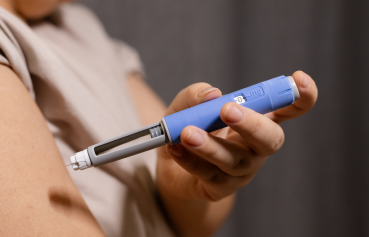
Semaglutide (Wegovy) and tirzepatide (Zepbound) medications can support weight loss for people who meet medical criteria and would benefit from them.

They work on appetite, hunger signals, and digestion. They’re not right for everyone, so a care team can help you understand whether they’re a good option based on your health history and goals.

Is it normal to gain weight back after losing 10 pounds?

It’s common for weight to go up and down, especially if the loss came from restrictive habits. Your body also responds to stress, sleep changes, water shifts, and hormones

Building steady, sustainable routines, including balanced meals, regular movement, sleep, and stress support, helps make your progress easier to maintain.

Source list

Aldawsari, M., Almadani, F. A., Almuhammadi, N., et al. (2023). The efficacy of GLP-1 analogues on appetite parameters, gastric emptying, food preference and taste among adults with obesity: Systematic review of randomized controlled trials. Diabetes, Metabolic Syndrome and Obesity: Targets and Therapy, 16, 575–595. doi:10.2147/DMSO.S387116. Retrieved from https://pmc.ncbi.nlm.nih.gov/articles/PMC9987242/

Apovian, Caroline M., Louis J., et al. (2015). Pharmacological management of obesity: An Endocrine Society clinical practice guideline. The Journal of Clinical Endocrinology & Metabolism, 100(2), 342–362. doi:10.1210/jc.2014-3415. Retrieved from https://academic.oup.com/jcem/article/100/2/342/2813109

Ashtary-Larky, D., Daneghian, B., Alipour, B., et al. (2020). Effects of gradual weight loss v. rapid weight loss on body composition and RMR: A systematic review and meta-analysis. British Journal of Nutrition, 120(9), 1013–1027. doi:10.1017/S000711452000224X. Retrieved from https://www.cambridge.org/core/journals/british-journal-of-nutrition/article/effects-of-gradual-weight-loss-v-rapid-weight-loss-on-body-composition-and-rmr-a-systematic-review-and-metaanalysis/427E2A512D278FC053CEBB73995FEEFC

Bhutani, S., Kahn, E., Tasali, E., et al. (2017). Composition of two‐week change in body weight under unrestricted free‐living conditions. Physiological Reports, 5(13), e13336. doi:10.14814/phy2.13336. Retrieved from https://pmc.ncbi.nlm.nih.gov/articles/PMC5506524/

Blackshaw, Lucinda C.D., Irene C, et al. (2019). Barriers and facilitators to the implementation of evidence-based lifestyle management in polycystic ovary syndrome: A narrative review. Medical Sciences (Basel), 7(7), 76. doi:10.3390/medsci7070076. Retrieved from https://pmc.ncbi.nlm.nih.gov/articles/PMC6681274/

Bowen, M.E., Cavanaugh, K.L., Wolff, K., et al. (2016). The diabetes nutrition education study randomized controlled trial: A comparative effectiveness study of approaches to nutrition in diabetes self-management education. Patient Education and Counseling, 99(8), 1368–1376. doi:10.1016/j.pec.2016.03.017. Retrieved from https://pmc.ncbi.nlm.nih.gov/articles/PMC4931976/

Broskey, N.T., Martin, C.K., Burton, J.H., et al. (2021). Effect of aerobic exercise-induced weight loss on the components of daily energy expenditure. Medicine & Science in Sports & Exercise, 53(10), 2164–2172. doi:10.1249/MSS.0000000000002689. Retrieved from https://pmc.ncbi.nlm.nih.gov/articles/PMC8441008/

Burke, L.E., Wang, J., Sevick, M.A. (2011). Self-monitoring in weight loss: A systematic review of the literature. Journal of the American Dietetic Association, 111(1), 92–102. doi:10.1016/j.jada.2010.10.008. Retrieved from https://pmc.ncbi.nlm.nih.gov/articles/PMC3268700/

Cava, E., Yeat, N.C., Mittendorfer, B. (2017). Preserving healthy muscle during weight loss. Advances in Nutrition, 8(3), 511–519. doi:10.3945/an.116.014506. Retrieved from https://pmc.ncbi.nlm.nih.gov/articles/PMC5421125/

Cena, H., & Calder, P. C. (2020). Defining a healthy diet: Evidence for the role of contemporary dietary patterns in health and disease. Nutrients, 12(2), 334. doi:10.3390/nu12020334. Retrieved from https://pmc.ncbi.nlm.nih.gov/articles/PMC7071223/

Chastin, S.F.M., De Craemer, M., De Cocker, K., et al. (2019). How does light-intensity physical activity associate with adult cardiometabolic health and mortality? Systematic review with meta-analysis of experimental and observational studies. British Journal of Sports Medicine, 53(6), 370–376. doi:10.1136/bjsports-2017-097563. Retrieved from https://pmc.ncbi.nlm.nih.gov/articles/PMC6579499/

Collins, L., & Costello, R. (2012). Glucagon-like peptide-1 receptor agonists. StatPearls [Internet]. National Center for Biotechnology Information. Retrieved from https://www.ncbi.nlm.nih.gov/books/NBK572145/

Connolly, G., & Campbell, W.W. (2023). Poultry consumption and human cardiometabolic health-related outcomes: A narrative review. Nutrients, 15(16), 3550. doi:10.3390/nu15163550. Retrieved from https://pmc.ncbi.nlm.nih.gov/articles/PMC10459134/

Dent, R., McPherson, R., Harper, M. E. (2020). Factors affecting weight loss variability in obesity. Metabolism, 113, 154388. doi:10.1016/j.metabol.2020.154388. Retrieved from https://www.sciencedirect.com/science/article/abs/pii/S0026049520302523

Drummen, M., Tischmann, L., Gatta-Cherifi, B., et al. (2018). Dietary Protein and Energy Balance in Relation to Obesity and Co-morbidities. Frontiers in Endocrinology, 9, 443. doi:10.3389/fendo.2018.00443. Retrieved from https://www.frontiersin.org/journals/endocrinology/articles/10.3389/fendo.2018.00443/full

Elder, C. R., Gullion, C. M., Funk, K. L., et al. (2011). Impact of sleep, screen time, depression, and stress on weight change in the intensive weight loss phase of the LIFE study. International Journal of Obesity, 36(1), 86–92. doi:10.1038/ijo.2011.60. Retrieved from https://pmc.ncbi.nlm.nih.gov/articles/PMC3136584/

Elmaleh-Sachs, A., Schwartz, J. L., Bramante, C. T., et al. (2023). Obesity management in adults: A review. JAMA, 330(20), 2000–2015. doi:10.1001/jama.2023.19897. Retrieved from https://pmc.ncbi.nlm.nih.gov/articles/PMC11325826/

English, S., & Vallis, M. (2023). Moving beyond eat less, move more using willpower: Reframing obesity as a chronic disease impact of the 2020 Canadian obesity guidelines reframed narrative on perceptions of self and the patient–provider relationship. Chronic Obstructive Diseases. doi:10.1111/cob.12615. Retrieved from https://onlinelibrary.wiley.com/doi/10.1111/cob.12615

Evert, A. B. (2018). Why Weight Loss Maintenance Is Difficult. Diabetes Spectrum, 31(1), 37–40. doi:10.2337/ds17-0025. Retrieved from https://pmc.ncbi.nlm.nih.gov/articles/PMC5556591/

Farhana, A., & Rehman, A. (2023). Metabolic consequences of weight reduction. StatPearls [Internet]. National Center for Biotechnology Information. Retrieved from https://www.ncbi.nlm.nih.gov/books/NBK551568/

Finkler, E., Heymsfield, S.B., St-Onge, M.P. (2011). Rate of weight loss can be predicted by patient characteristics and intervention strategies. Journal of the Academy of Nutrition and Dietetics, 112(1), 75–80. doi:10.1016/j.jada.2011.08.034. Retrieved from https://pmc.ncbi.nlm.nih.gov/articles/PMC3447534/

Fothergill, E., Guo, J., Howard, L., et al. (2016). Persistent metabolic adaptation 6 years after The Biggest Loser competition. Obesity (Silver Spring), 24(8), 1612–1619. doi:10.1002/oby.21538. Retrieved from https://pmc.ncbi.nlm.nih.gov/articles/PMC4989512/

Frayn, M., Livshits, S., Knäuper, B. (2018). Emotional eating and weight regulation: a qualitative study of compensatory behaviors and concerns. Journal of Eating Disorders, 6, 23. doi:10.1186/s40337-018-0210-6. Retrieved from https://pmc.ncbi.nlm.nih.gov/articles/PMC6137864/

Greaves, C., Skoufas, E., Simitsopolou, E., et al. (2017). Understanding the challenge of weight loss maintenance: A systematic review and synthesis of qualitative research on weight loss maintenance. Health Psychology Review, 11(2), 145–163. doi:10.1080/17437199.2017.1299583. Retrieved from https://www.tandfonline.com/doi/full/10.1080/17437199.2017.1299583

Hall, K. D. (2024). Physiology of the weight-loss plateau in response to diet restriction, GLP-1 receptor agonism, and bariatric surgery. Obesity, 32(6), 1163–1168. Retrieved from https://onlinelibrary.wiley.com/doi/10.1002/oby.24027

Hall, K. D., & Kahan, S. (2018). Maintenance of lost weight and long-term management of obesity. Medical Clinics of North America, 102(1), 183–197. doi:10.1016/j.mcna.2017.08.012. Retrieved from https://pmc.ncbi.nlm.nih.gov/articles/PMC5764193/

Hartmann-Boyce, J., Cobiac, L. J., Theodoulou, A., et al. (2023). Weight regain after behavioural weight management programmes and its impact on quality of life and cost effectiveness: Evidence synthesis and health economic analyses. Diabetes, Obesity and Metabolism, 25(2), 526–535. doi:10.1111/dom.14895. Retrieved from https://pmc.ncbi.nlm.nih.gov/articles/PMC10092406/

Herhaus, B., Ullmann, E., Chrousos, G., et al. (2020). High/low cortisol reactivity and food intake in people with obesity and healthy weight. Translational Psychiatry, 10, 40. doi:10.1038/s41398-020-0729-6. Retrieved from https://www.nature.com/articles/s41398-020-0729-6

Hertzler, S.R., Lieblein-Boff, J.C., Weiler, M., Allgeier, C. (2020). Plant proteins: Assessing their nutritional quality and effects on health and physical function. Nutrients, 12(12), 3704. doi:10.3390/nu12123704. Retrieved from https://pmc.ncbi.nlm.nih.gov/articles/PMC7760812/

Ignot-Gutiérrez, A., Serena-Romero, G., Guajardo-Flores, D., et al. (2024). Proteins and peptides from food sources with effect on satiety and their role as anti-obesity agents: A narrative review. Nutrients, 16(20), 3560. doi:10.3390/nu16203560. Retrieved from https://pmc.ncbi.nlm.nih.gov/articles/PMC11510221/

Janssen, T. A. H., Van Every, D. W., Phillips, S. M. (2023). The impact and utility of very low-calorie diets: the role of exercise and protein in preserving skeletal muscle mass. Current Opinion in Clinical Nutrition and Metabolic Care, 26(6), 521–527. doi:10.1097/MCO.0000000000000980. Retrieved from https://pmc.ncbi.nlm.nih.gov/articles/PMC10552824/

Jayedi, A., Soltani, S., Emadi, A., et al. (2024). Aerobic exercise and weight loss in adults: A systematic review and dose-response meta-analysis. JAMA Network Open, 7(12), e2452185. doi:10.1001/jamanetworkopen.2024.52185. Retrieved from https://jamanetwork.com/journals/jamanetworkopen/fullarticle/2828487

Joshi, S., & Mohan, V. (2018). Pros & cons of some popular extreme weight-loss diets. Indian Journal of Medical Research, 148(5), 642–647. doi:10.4103/ijmr.IJMR_1793_18. Retrieved from https://pmc.ncbi.nlm.nih.gov/articles/PMC6366252/

Juraschek, S.P., Miller, E.R., Chang, A., et al. (2020). Effects of sodium reduction on energy metabolism, weight, thirst, and urine volume: Results from the DASH-Sodium trial. Hypertension, 75(3), 723–729. doi:10.1161/HYPERTENSIONAHA.119.13932. Retrieved from https://pmc.ncbi.nlm.nih.gov/articles/PMC7278848/

Kakinami, L., Knauper, B., Brunet, J. (2020). Weight cycling is associated with adverse cardiometabolic markers in a cross-sectional representative US sample. Journal of Epidemiology and Community Health, 74: 662-667. Retrieved from https://jech.bmj.com/content/74/8/662

Kanellakis, S., Skoufas, E., Simitsopoulou, E., et al. (2023). Changes in body weight and body composition during the menstrual cycle. American Journal of Human Biology. doi:10.1002/ajhb.23951. Retrieved from https://onlinelibrary.wiley.com/doi/10.1002/ajhb.23951

Kelley, G.A., Kelley, K.S., Stauffer, B.L. (2023). Effects of resistance training on body weight and body composition in older adults: An inter-individual response difference meta-analysis of randomized controlled trials. Science Progress, 106(2), doi:10.1177/00368504231179062. Retrieved from https://journals.sagepub.com/doi/10.1177/00368504231179062

Kim, J. (2020). Optimal diet strategies for weight loss and weight loss maintenance. Journal of Obesity and Metabolic Syndrome, 30(1), 20–31. doi:10.7570/jomes20065. Retrieved from https://pmc.ncbi.nlm.nih.gov/articles/PMC8017325/

Kim, J.E., O'Connor, L. E., Sands, L. P., et al. (2016). Effects of dietary protein intake on body composition changes after weight loss in older adults: A systematic review and meta-analysis. Nutrition Reviews, 74(3), 210–224. doi:10.1093/nutrit/nuv065. Retrieved from https://pmc.ncbi.nlm.nih.gov/articles/PMC4892287/

Langyan, S., Yadava, P., Khan, F.N., et al. (2022). Sustaining protein nutrition through plant-based foods. Frontiers in Nutrition, 8, 772573. doi:10.3389/fnut.2021.772573. Retrieved from https://pmc.ncbi.nlm.nih.gov/articles/PMC8804093/

Lean, M. E., & Malkova, D. (2016). Altered gut and adipose tissue hormones in overweight and obese individuals: cause or consequence?. International Journal of Obesity, 40, 622–632. doi:10.1038/ijo.2015.220. Retrieved from https://www.nature.com/articles/ijo2015220

Lee, S, Shi-Young P, Cheol, S. (2021). Insulin resistance: From mechanisms to therapeutic strategies. Diabetes and Metabolic Journal, 46(1), 15–37. doi:10.4093/dmj.2021.0280. Retrieved from https://pmc.ncbi.nlm.nih.gov/articles/PMC8831809/

Leidy, H. J., Clifton, P. M., Astrup, A., et al. (2015). The role of protein in weight loss and maintenance. The American Journal of Clinical Nutrition, 101(6), 1320S–1329S. doi:10.3945/ajcn.114.084038. Retrieved from https://www.sciencedirect.com/science/article/pii/S0002916523274274?via%3Dihub

Levoy, E., Lazaridou, A., Brewer, J., et al. (2017). An Exploratory Study of Mindfulness Based Stress Reduction for Emotional Eating. Appetite, 109, 124–130. doi:10.1016/j.appet.2016.11.029. Retrieved from https://pmc.ncbi.nlm.nih.gov/articles/PMC6042285/

Mamerow, M.M., Mettler, J.A., English, K.L., et al. (2014). Dietary protein distribution positively influences 24-h muscle protein synthesis in healthy adults. Journal of Nutrition, 144(6), 876–880. doi:10.3945/jn.113.185280. Retrieved from https://pmc.ncbi.nlm.nih.gov/articles/PMC4018950/

Martins, C., Roekenes, J., Salamati, S., et al. (2021). Metabolic adaptation is associated with less weight and fat mass loss in response to low-energy diets. Nutrition & Metabolism, 18(1), 60. doi:10.1186/s12986-021-00587-8. Retrieved from https://pmc.ncbi.nlm.nih.gov/articles/PMC8196522/

Memlink, R.G., Hijlkema, A., Valentin, B., et al. (2024). Dietary proteins and health outcomes. Life Medicine, 2(2), 103. doi:10.1002/lim2.103. Retrieved from https://onlinelibrary.wiley.com/doi/10.1002/lim2.103

Mosavat, M., Mirsanjari, M., Arabiat, D., et al. (2021). The role of sleep curtailment on leptin levels in obesity and diabetes mellitus. Obesity Facts, 14(2), 214–221. doi:10.1159/000514095. Retrieved from https://pmc.ncbi.nlm.nih.gov/articles/PMC8138234/

Most, J., & Redman, L. M. (2020). Impact of calorie restriction on energy metabolism in humans. Experimental Gerontology, 133, 110875. doi:10.1016/j.exger.2020.110875. Retrieved from https://pmc.ncbi.nlm.nih.gov/articles/PMC9036397/

Najafi, M., Ali Sadoogh A., Hamed, M., et al. (2023). Alteration in body water compartments following intermittent fasting in Ramadan. Frontiers in Nutrition, 10, 1232979. doi:10.3389/fnut.2023.1232979. Retrieved from https://www.frontiersin.org/journals/nutrition/articles/10.3389/fnut.2023.1232979/full

National Institutes of Health (NIH), National Heart, Lung, and Blood Institute, & North American Association for the Study of Obesity. (1998). Clinical Guidelines on the Identification, Evaluation, and Treatment of Overweight and Obesity in Adults: The Evidence Report. NIH Publication No. 98-4083. Retrieved from https://www.ncbi.nlm.nih.gov/books/NBK2009/

Noreen, S., Hashmi, B., Aja, P.M., Atoki, A.V. (2025). Health benefits of fish and fish by-products—a nutritional and functional perspective. Frontiers in Nutrition, 12, 1564315. doi:10.3389/fnut.2025.1564315. Retrieved from https://www.frontiersin.org/journals/nutrition/articles/10.3389/fnut.2025.1564315/full

Nunes, C. L., Casanova, N., Francisco, R., et al. (2022). Does adaptive thermogenesis occur after weight loss in adults? A systematic review. British Journal of Nutrition, 127(3), 399–413. doi:10.1017/S0007114521001094. Retrieved from https://www.cambridge.org/core/journals/british-journal-of-nutrition/article/does-adaptive-thermogenesis-occur-after-weight-loss-in-adults-a-systematic-review/726FC60518DA67349B9C3EC1D75A7156

Ogasawara, N., Funaki, Y., Kasugai, K., et al. (2023). Relationships between body mass index and constipation, gastroesophageal reflux disease, stool forms based on the Bristol Stool Form Scale, and education level: results from an internet survey in Japan. Journal of Clinical Biochemistry and Nutrition, 73(1), 79–86. doi:10.3164/jcbn.22-127. Retrieved from https://pmc.ncbi.nlm.nih.gov/articles/PMC10390807/

Ozojide, K. O., Ogwu, D., Owolabi, M. O., et al. (2025). Genetic and Behavioral Predictors of Long-Term Weight Loss Maintenance: A Systematic Review of Evidence From Observational and Genetic Studies. Cureus, 17(7), e65142. doi:10.7759/cureus.65142. Retrieved from https://www.cureus.com/articles/384081-genetic-and-behavioral-predictors-of-long-term-weight-loss-maintenance-a-systematic-revie

Pavan Wu, D., Sheng-Fu Chen, L., Lin Su, L., et al. (2016). Dietary protein intake and human health. Food & Function, 7(4), 1251–1265. doi:10.1039/c5fo01530h. Retrieved from https://pubs.rsc.org/en/content/articlelanding/2016/fo/c5fo01530h

Phelan, S., Halfman, T., Pinto, A. M., et al. (2020). Behavioral and Psychological Strategies of Long-Term Weight Loss Maintainers in a Widely Available Weight Management Program. Obesity (Silver Spring), 28(2), 421–428. doi:10.1002/oby.22685. Retrieved from https://pmc.ncbi.nlm.nih.gov/articles/PMC7003766/

Puglisi, M.J., & Fernandez, M.L. (2022). The health benefits of egg protein. Nutrients, 14(14), 2904. doi:10.3390/nu14142904. Retrieved from https://pmc.ncbi.nlm.nih.gov/articles/PMC9316657/

Robinson, E., Sharps, M., Price, S., Jebb, S. A. (2017). Prevalence of personal weight control attempts in adults: A systematic review and meta-analysis. Obesity Reviews, 18(1), 32–50. doi:10.1111/obr.12466. Retrieved from https://pmc.ncbi.nlm.nih.gov/articles/PMC5215364/

Ross, R., Neeland, I.J., Yamashita, S., et al. (2020). Waist circumference as a vital sign in clinical practice: A Consensus Statement from the IAS and ICCR Working Group on Visceral Obesity. Nature Reviews Endocrinology, 16(3), 177–189. Retrieved from https://www.nature.com/articles/s41574-019-0310-7

Smith, G. I., Commean, P. K., Klein, S., et al. (2018). Effect of protein supplementation during diet-induced weight loss on muscle mass and strength: a randomized controlled study. Obesity (Silver Spring), 26(5), 854–861. doi:10.1002/oby.22169. Retrieved from https://pmc.ncbi.nlm.nih.gov/articles/PMC5918424/

St-Onge, M.P. (2013). The role of sleep duration in the regulation of energy balance: Effects on energy intakes and expenditure. Journal of Clinical Sleep Medicine, 9(1), 73–80. doi:10.5664/jcsm.2348. Retrieved from https://jcsm.aasm.org/doi/10.5664/jcsm.2348

Sundaravadivel. V. P., Kamal, K.B., Wawage, S., et al. (2025) Systematic Review: Managing Obesity with Multidisciplinary Approaches. European Journal of Cardiovascular Medicine, 15(1), 26-30. Retrieved from https://healthcare-bulletin.co.uk/article/systematic-review-managing-obesity-with-multidisciplinary-approaches-2671/

Toi, P.L., Anothaisintawee, T., Chaikledkaew, U., et al. (2022). Preventive role of diet interventions and dietary factors in type 2 diabetes mellitus: An umbrella review. Primary Care Diabetes, 16(3), 340–353. doi:10.1016/j.pcd.2022.04.001. Retrieved from https://www.primary-care-diabetes.com/article/S1751-9918(22)00068-7/fulltext

Tronieri, J.S., Wadden, T.A., Chao, A.M., Tsai, A.G. (2019). Primary care interventions for obesity: Review of the evidence. Current Obesity Reports, 8(2), 128–136. doi:10.1007/s13679-019-00341-5. Retrieved from https://pmc.ncbi.nlm.nih.gov/articles/PMC6520163/

U.S. Centers for Disease Control and Prevention. (2025). Steps for losing weight: Healthy weight and growth. Retrieved from https://www.cdc.gov/healthy-weight-growth/losing-weight/index.html

Van Cauter, E., Spiegel, K., Tasali, E., Leproult, R. (2008). Metabolic consequences of sleep and sleep loss. Sleep Medicine, 9(1), S23–S28. doi:10.1016/S1389-9457(08)70013-3. Retrieved from https://pmc.ncbi.nlm.nih.gov/articles/PMC4444051/

Varkevisser, R. D. M., van Stralen, M. M., Kroeze, W., et al. (2019). Determinants of weight loss maintenance: a systematic review. Obesity Reviews, 20(2), 171–211. doi:10.1111/obr.12772. Retrieved from https://pmc.ncbi.nlm.nih.gov/articles/PMC7416131/

Westenhoefer, J., Engel, D., Holst, C., et al. (2013). Cognitive and weight-related correlates of flexible and rigid restrained eating behaviour. Appetite, 65, 4–13. doi:10.1016/j.appet.2012.12.001. Retrieved from https://www.sciencedirect.com/science/article/abs/pii/S1471015312001237

Wharton, S., Lau, D. C. W., Vallis, M., et al. (2020). Obesity in adults: a clinical practice guideline. Canadian Medical Association Journal, 192(31), E875–E891. doi:10.1503/cmaj.191707. Retrieved from https://www.cmaj.ca/content/192/31/E875

Xenaki, N., Bacopoulou, F., Kokkinos, A., et al. (2018). Impact of a stress management program on weight loss, mental health and lifestyle in adults with obesity: A randomized controlled trial. Journal of Molecular Biochemistry, 7(2), 78–84. Retrieved from https://pmc.ncbi.nlm.nih.gov/articles/PMC6296480/

Zamwar, Udit M., Komal N. Muneshwar. (2023). Epidemiology, types, causes, clinical presentation, diagnosis, and treatment of hypothyroidism. Cureus, 15(9), e46241. doi:10.7759/cureus.46241. Retrieved from https://pmc.ncbi.nlm.nih.gov/articles/PMC10613832/

Zhu, W., Zhou, Z., Sun, J., Si, J. (2025). Effects of exercise training on skeletal muscle mitochondrial outcomes in type 2 diabetes: A systematic review and meta-analysis. Frontiers in Physiology, 16, 1671926. doi:10.3389/fphys.2025.1671926. Retrieved from https://www.frontiersin.org/journals/physiology/articles/10.3389/fphys.2025.1671926/full

Ready for healthcare that truly knows you?

At knownwell, we offer:

  • Access to GLP-1s when clinically appropriate
  • No membership fees
  • Covered by insurance
  • In-person and virtual visits available
BOOK YOUR FIRST VISIT

Losing 10 pounds is possible and works when you follow a realistic plan instead of undertaking extreme dieting. To safely lose any amount of weight, consistent habits that support long-term health and well-being are necessary.

How to lose 10 pounds: The quick answer

A steady pace of roughly 1 to 2 pounds per week is generally considered the goal and a sustainable rate of loss. This means most people will need 5 to 10 weeks to lose 10 pounds. 

Rapid approaches are more likely to pull from water and lean mass. They also result in less body fat loss and a larger drop in the way your body produces energy, which can make long-term weight maintenance more difficult.

The most reliable path combines balanced nutrition, realistic lifestyle changes, and medical support (or medications when they’re appropriate).

9 research-backed tips for losing 10 pounds (and keeping it off)

1. Set a realistic timeline: 5-10 weeks

A healthy pace for losing weight is generally 1 to 2 pounds per week, meaning that losing 10 pounds typically takes around 5 to 10 weeks. 

Many factors influence how long it might take. These include your starting weight, age, medical conditions, medications you’re taking, and even sleep quality or stress

Rapid weight loss often draws from water and muscle loss rather than fat loss, which can undermine long-term health and make maintaining weight loss more difficult.

2. Prioritize protein at every meal

Protein helps preserve lean muscle during weight loss and supports satiety. When you eat enough protein, you stay fuller longer, which makes it easier to maintain a daily deficit of about 500 to 750 calories. 

When losing weight, aim for 1.2 to 1.5 grams of protein per kilogram of body weight each day. Your care team should help guide this.

For example, a person who weighs 176 lbs (80 kg) would aim for roughly 96 to 120 grams of protein per day.

This range has been shown to help protect lean tissue during energy restriction and support appetite regulation.

A practical way to meet this target is to include protein at each meal, which studies show can support muscle protein synthesis and improve satiety throughout the day.

Lean and accessible options include chicken, fish, eggs, tofu, and legumes, all of which provide high-quality protein and can fit into many eating styles.

3. Build balanced plates (not restrictive diets)

Instead of cutting out long lists of foods, think about what you can put on your plate.

A simple guide is the plate method:

  • Half your plate: Non-starchy vegetables (like broccoli, peppers, spinach, salads)
  • One quarter: Lean protein (like chicken, fish, tofu, eggs, legumes)
  • One quarter: Starchy vegetables and wholegrains (like brown rice, quinoa, whole-grain pasta, beans, or potatoes)
  • Add: A small amount of healthy fats (like olive oil, avocado, nuts, or seeds)

This style of eating helps you get fiber, protein, and healthy fats in the same meal, which can support fullness and maintain your energy. It is also linked with a healthier body weight over time.

Focusing on what to include can feel more sustainable than strict rules about what you’re not allowed to eat. 

4. Create a modest energy deficit

​Your body loses weight when you take in slightly less energy than you use.

An energy deficit of 500 to 750 calories can support a steady loss of about 1 to 1.5 pounds per week. 

Rather than strict calorie counting, though, you may find it helpful to start keeping a food diary. This helps you spot simple places to adjust, like oversized portions or frequent snacks.

From there, focus on gentle, sustainable changes. This may include slightly smaller portions, more fiber-rich vegetables, lean protein at meals, and fewer energy-dense processed foods. 

These shifts naturally lower overall energy intake without extreme restriction.

The goal isn’t perfection. Try to keep your eating patterns steady. A predictable routine is easier on your body and supports longer-term progress.

5. Move your body (but don't rely on exercise alone)

Moving your body supports weight loss, but it can’t replace balanced eating.

Studies show that exercise alone usually leads to only small changes on the scale.

Combining movement with healthy eating leads to better long-term results.

If you’re new to exercise, aim for 150 minutes per week. This can include walking, cycling, swimming, or any activity you enjoy. 

Also, adding strength training 2 to 3 times per week helps you keep muscle while you lose fat, which supports your metabolism and overall strength.

Every-day movement matters, too. Taking the stairs, parking a little farther away, standing up more often, or taking short walking breaks can increase your total daily activity in a gentle, realistic way.

6. Get adequate sleep and manage stress

Getting 7 to 9 hours of sleep each night supports appetite regulation and energy levels. 

If your sleep is short or disrupted, hormones that influence hunger, like ghrelin and leptin, can shift and make you feel hungrier and less satisfied after meals.

Stress also plays a major role. High stress raises cortisol levels, which is linked with stronger cravings and emotional eating patterns for some people. 

Try to find non-food coping strategies, such as walking, stretching, deep breathing, or journaling. Mindfulness can help you manage tough moments without turning to food for relief.

7. Track progress beyond the scale

The scale is only one way to measure progress. Progress can shift day to day because of changes in how your body stores water, produces and responds to hormones, and digests food

To get a fuller picture, it helps to track other signs of improvement, like waist, hip, or chest measurements, or how your clothes fit.

8. Expect plateaus (they're normal)

Plateaus are common in weight loss. It’s completely normal to hit one as your body adjusts to changes in eating and activity. 

Research shows that metabolic adaptation, hormone changes, and shifts in body water can all slow the pace of weight loss, even when you are consistently following your eating and activity plan.

When this happens, try not to panic or make big cuts to your eating pattern. Instead, check in and assess if anything has changed. Small habits often shift without us noticing.

If the scale has been stable for several weeks, it can help to review your habits with a clinical team and decide whether small, sustainable adjustments are needed.

9. Consider medical support when needed

You may benefit from medical support when trying to lose weight, especially if you’ve tried on your own without success or have health conditions that make weight regulation more complex. 

Clinical guidelines suggest medical support (defined as screening, dietary counseling, and behavioral intervention) be considered for adults with a BMI greater than or equal to 25 (overweight). 

Support can also help if you take medications that affect appetite or metabolism. Or, if medical conditions, like PCOS, thyroid disorders, or insulin resistance, make weight loss harder.

At knownwell, you can work with board-certified doctors who help with weight loss and registered dietitians who create personalized plans based on your health history, nutrition needs, lifestyle, and goals. 

This kind of care can include medication when it’s appropriate and focuses on long-term well-being, not strict dieting.

How long does it take to lose 10 pounds?

It takes much longer than you think to lose 10 pounds — and for many people, they will need a lot of help to achieve it and sustain the weight loss. Your exact timeline depends on factors like age, medical history, medications, stress, and sleep.

Remember, the fastest way to lose 10 pounds isn’t necessarily the safest way to do so.

Can you lose 10 pounds in a week?

Losing 10 pounds in a week isn’t safe or sustainable. Fast drops on the scale are primarily from water and muscle, with less fat loss than desired.

Extreme diets can lead to severe hunger, fatigue, muscle loss, and nutrient deficiencies.  

Can you lose 10 pounds in a month?

Losing 10 pounds in a month would require a pace of about 2.5 pounds per week, which pushes the upper limit of what’s considered safe for most people. 

Guidelines generally define a safe, sustainable rate of loss as about 1 to 2 pounds per week from a 500 to 750 energy daily deficit, so a goal like 10 pounds in a month is at or above the upper end of what is typically recommended for most people. 

Research shows that fast weight loss often leads to more weight regain than slower, steady progress.

Why quick fixes backfire

The problem with extreme restriction

Quick fixes backfire because extremely restrictive eating plans may show fast results on the scale, but they work against your body in ways that make long-term progress harder

When you cut intake too sharply, your metabolic rate can drop, which means you burn fewer calories even at rest.

At the same time, hunger hormones rise and fullness signals fall, making it harder to stay consistent.

Low energy intake can also leave you feeling tired, which naturally reduces daily movement and activity. 

Without enough protein, your body may start breaking down muscle instead of fat, which slows your metabolism further. 

This creates a cycle where you lose weight quickly, regain it just as fast, and feel discouraged.

Breaking the cycle

The way to break out of the lose-regain pattern is by making gradual changes you can maintain over time.

Small, consistent habits like balanced meals, regular movement, and better sleep are easier to stick with than all-or-nothing plans.

As you lose weight, research shows that focusing on developing consistent routines, like healthy eating and self‑monitoring, is better than relying on short‑term rules or sheer willpower. 

People who maintain weight loss long term tend to rely on practiced habits that fit into daily life, which helps them sustain their health behaviors well after the scale has changed.

When DIY weight loss isn't enough: Get the medical support you're missing

DIY weight loss isn't enough when you've tried on your own and keep getting stuck. Large studies show that around 4 in 10 adults report trying to lose weight in any given year, often after several previous attempts.

Weight loss and maintenance are complex, and many factors, like hormones, metabolism, medications, and medical conditions, can make progress slower than expected. 

This isn’t a willpower issue. It’s about having the right support, the right tools, and a care team that understands how your body works.

With the right guidance, you can figure out what's holding you back and find a plan that fits your health needs and daily life.

What knownwell offers

At knownwell, you have access to board-certified obesity doctors who help with weight loss and registered dietitians who work together to create a plan that fits your life and your health needs if you’re looking to lose 10 pounds.

Your care team can also discuss FDA-approved medications when they’re appropriate for your situation.

Every visit is built around judgment-free, compassionate care. This kind of integrated support can help you understand what’s been getting in the way and find an approach that actually works for your body.

Ready to get started:

  • Virtual visits in all 50 states
  • In-person clinics in the Boston, Chicago, Dallas/Fort Worth, and Atlanta areas
  • Insurance accepted
  • Ongoing care that continues long after the holidays

Book your visit with knownwell to build a sustainable approach to weight loss.

Frequently asked questions

What foods should I eat to lose 10 pounds in a month?

You should focus on balanced meals with lean protein, non-starchy vegetables, wholegrains or other complex carbs, and healthy fats. 

Research shows this helps you stay full, supports steady energy, and makes it easier to maintain a small daily calorie deficit

Aiming for 10 pounds in a month is on the fast side, so a more realistic goal is steady progress with habits you can keep long term.

Will I lose muscle if I lose 10 pounds?

You can lose muscle during weight loss, especially if you’re not eating enough protein or doing strength training. 

You can protect your muscle mass by including protein at every meal and doing strength-based movement 2 to 3 times per week. These habits support a healthier body composition, not just a lower number on the scale.

Do I need a doctor to lose 10 pounds?

Not everyone needs medical support to lose 10 pounds, but some people benefit from it, especially if progress has stalled or if medical conditions, medications, or hormones are affecting weight. 

A care team can help uncover what’s getting in the way and build a plan that fits your health needs.

Can GLP-1 medications help me lose 10 pounds?

Semaglutide (Wegovy) and tirzepatide (Zepbound) medications can support weight loss for people who meet medical criteria and would benefit from them.

They work on appetite, hunger signals, and digestion. They’re not right for everyone, so a care team can help you understand whether they’re a good option based on your health history and goals.

Is it normal to gain weight back after losing 10 pounds?

It’s common for weight to go up and down, especially if the loss came from restrictive habits. Your body also responds to stress, sleep changes, water shifts, and hormones

Building steady, sustainable routines, including balanced meals, regular movement, sleep, and stress support, helps make your progress easier to maintain.

Source list

Aldawsari, M., Almadani, F. A., Almuhammadi, N., et al. (2023). The efficacy of GLP-1 analogues on appetite parameters, gastric emptying, food preference and taste among adults with obesity: Systematic review of randomized controlled trials. Diabetes, Metabolic Syndrome and Obesity: Targets and Therapy, 16, 575–595. doi:10.2147/DMSO.S387116. Retrieved from https://pmc.ncbi.nlm.nih.gov/articles/PMC9987242/

Apovian, Caroline M., Louis J., et al. (2015). Pharmacological management of obesity: An Endocrine Society clinical practice guideline. The Journal of Clinical Endocrinology & Metabolism, 100(2), 342–362. doi:10.1210/jc.2014-3415. Retrieved from https://academic.oup.com/jcem/article/100/2/342/2813109

Ashtary-Larky, D., Daneghian, B., Alipour, B., et al. (2020). Effects of gradual weight loss v. rapid weight loss on body composition and RMR: A systematic review and meta-analysis. British Journal of Nutrition, 120(9), 1013–1027. doi:10.1017/S000711452000224X. Retrieved from https://www.cambridge.org/core/journals/british-journal-of-nutrition/article/effects-of-gradual-weight-loss-v-rapid-weight-loss-on-body-composition-and-rmr-a-systematic-review-and-metaanalysis/427E2A512D278FC053CEBB73995FEEFC

Bhutani, S., Kahn, E., Tasali, E., et al. (2017). Composition of two‐week change in body weight under unrestricted free‐living conditions. Physiological Reports, 5(13), e13336. doi:10.14814/phy2.13336. Retrieved from https://pmc.ncbi.nlm.nih.gov/articles/PMC5506524/

Blackshaw, Lucinda C.D., Irene C, et al. (2019). Barriers and facilitators to the implementation of evidence-based lifestyle management in polycystic ovary syndrome: A narrative review. Medical Sciences (Basel), 7(7), 76. doi:10.3390/medsci7070076. Retrieved from https://pmc.ncbi.nlm.nih.gov/articles/PMC6681274/

Bowen, M.E., Cavanaugh, K.L., Wolff, K., et al. (2016). The diabetes nutrition education study randomized controlled trial: A comparative effectiveness study of approaches to nutrition in diabetes self-management education. Patient Education and Counseling, 99(8), 1368–1376. doi:10.1016/j.pec.2016.03.017. Retrieved from https://pmc.ncbi.nlm.nih.gov/articles/PMC4931976/

Broskey, N.T., Martin, C.K., Burton, J.H., et al. (2021). Effect of aerobic exercise-induced weight loss on the components of daily energy expenditure. Medicine & Science in Sports & Exercise, 53(10), 2164–2172. doi:10.1249/MSS.0000000000002689. Retrieved from https://pmc.ncbi.nlm.nih.gov/articles/PMC8441008/

Burke, L.E., Wang, J., Sevick, M.A. (2011). Self-monitoring in weight loss: A systematic review of the literature. Journal of the American Dietetic Association, 111(1), 92–102. doi:10.1016/j.jada.2010.10.008. Retrieved from https://pmc.ncbi.nlm.nih.gov/articles/PMC3268700/

Cava, E., Yeat, N.C., Mittendorfer, B. (2017). Preserving healthy muscle during weight loss. Advances in Nutrition, 8(3), 511–519. doi:10.3945/an.116.014506. Retrieved from https://pmc.ncbi.nlm.nih.gov/articles/PMC5421125/

Cena, H., & Calder, P. C. (2020). Defining a healthy diet: Evidence for the role of contemporary dietary patterns in health and disease. Nutrients, 12(2), 334. doi:10.3390/nu12020334. Retrieved from https://pmc.ncbi.nlm.nih.gov/articles/PMC7071223/

Chastin, S.F.M., De Craemer, M., De Cocker, K., et al. (2019). How does light-intensity physical activity associate with adult cardiometabolic health and mortality? Systematic review with meta-analysis of experimental and observational studies. British Journal of Sports Medicine, 53(6), 370–376. doi:10.1136/bjsports-2017-097563. Retrieved from https://pmc.ncbi.nlm.nih.gov/articles/PMC6579499/

Collins, L., & Costello, R. (2012). Glucagon-like peptide-1 receptor agonists. StatPearls [Internet]. National Center for Biotechnology Information. Retrieved from https://www.ncbi.nlm.nih.gov/books/NBK572145/

Connolly, G., & Campbell, W.W. (2023). Poultry consumption and human cardiometabolic health-related outcomes: A narrative review. Nutrients, 15(16), 3550. doi:10.3390/nu15163550. Retrieved from https://pmc.ncbi.nlm.nih.gov/articles/PMC10459134/

Dent, R., McPherson, R., Harper, M. E. (2020). Factors affecting weight loss variability in obesity. Metabolism, 113, 154388. doi:10.1016/j.metabol.2020.154388. Retrieved from https://www.sciencedirect.com/science/article/abs/pii/S0026049520302523

Drummen, M., Tischmann, L., Gatta-Cherifi, B., et al. (2018). Dietary Protein and Energy Balance in Relation to Obesity and Co-morbidities. Frontiers in Endocrinology, 9, 443. doi:10.3389/fendo.2018.00443. Retrieved from https://www.frontiersin.org/journals/endocrinology/articles/10.3389/fendo.2018.00443/full

Elder, C. R., Gullion, C. M., Funk, K. L., et al. (2011). Impact of sleep, screen time, depression, and stress on weight change in the intensive weight loss phase of the LIFE study. International Journal of Obesity, 36(1), 86–92. doi:10.1038/ijo.2011.60. Retrieved from https://pmc.ncbi.nlm.nih.gov/articles/PMC3136584/

Elmaleh-Sachs, A., Schwartz, J. L., Bramante, C. T., et al. (2023). Obesity management in adults: A review. JAMA, 330(20), 2000–2015. doi:10.1001/jama.2023.19897. Retrieved from https://pmc.ncbi.nlm.nih.gov/articles/PMC11325826/

English, S., & Vallis, M. (2023). Moving beyond eat less, move more using willpower: Reframing obesity as a chronic disease impact of the 2020 Canadian obesity guidelines reframed narrative on perceptions of self and the patient–provider relationship. Chronic Obstructive Diseases. doi:10.1111/cob.12615. Retrieved from https://onlinelibrary.wiley.com/doi/10.1111/cob.12615

Evert, A. B. (2018). Why Weight Loss Maintenance Is Difficult. Diabetes Spectrum, 31(1), 37–40. doi:10.2337/ds17-0025. Retrieved from https://pmc.ncbi.nlm.nih.gov/articles/PMC5556591/

Farhana, A., & Rehman, A. (2023). Metabolic consequences of weight reduction. StatPearls [Internet]. National Center for Biotechnology Information. Retrieved from https://www.ncbi.nlm.nih.gov/books/NBK551568/

Finkler, E., Heymsfield, S.B., St-Onge, M.P. (2011). Rate of weight loss can be predicted by patient characteristics and intervention strategies. Journal of the Academy of Nutrition and Dietetics, 112(1), 75–80. doi:10.1016/j.jada.2011.08.034. Retrieved from https://pmc.ncbi.nlm.nih.gov/articles/PMC3447534/

Fothergill, E., Guo, J., Howard, L., et al. (2016). Persistent metabolic adaptation 6 years after The Biggest Loser competition. Obesity (Silver Spring), 24(8), 1612–1619. doi:10.1002/oby.21538. Retrieved from https://pmc.ncbi.nlm.nih.gov/articles/PMC4989512/

Frayn, M., Livshits, S., Knäuper, B. (2018). Emotional eating and weight regulation: a qualitative study of compensatory behaviors and concerns. Journal of Eating Disorders, 6, 23. doi:10.1186/s40337-018-0210-6. Retrieved from https://pmc.ncbi.nlm.nih.gov/articles/PMC6137864/

Greaves, C., Skoufas, E., Simitsopolou, E., et al. (2017). Understanding the challenge of weight loss maintenance: A systematic review and synthesis of qualitative research on weight loss maintenance. Health Psychology Review, 11(2), 145–163. doi:10.1080/17437199.2017.1299583. Retrieved from https://www.tandfonline.com/doi/full/10.1080/17437199.2017.1299583

Hall, K. D. (2024). Physiology of the weight-loss plateau in response to diet restriction, GLP-1 receptor agonism, and bariatric surgery. Obesity, 32(6), 1163–1168. Retrieved from https://onlinelibrary.wiley.com/doi/10.1002/oby.24027

Hall, K. D., & Kahan, S. (2018). Maintenance of lost weight and long-term management of obesity. Medical Clinics of North America, 102(1), 183–197. doi:10.1016/j.mcna.2017.08.012. Retrieved from https://pmc.ncbi.nlm.nih.gov/articles/PMC5764193/

Hartmann-Boyce, J., Cobiac, L. J., Theodoulou, A., et al. (2023). Weight regain after behavioural weight management programmes and its impact on quality of life and cost effectiveness: Evidence synthesis and health economic analyses. Diabetes, Obesity and Metabolism, 25(2), 526–535. doi:10.1111/dom.14895. Retrieved from https://pmc.ncbi.nlm.nih.gov/articles/PMC10092406/

Herhaus, B., Ullmann, E., Chrousos, G., et al. (2020). High/low cortisol reactivity and food intake in people with obesity and healthy weight. Translational Psychiatry, 10, 40. doi:10.1038/s41398-020-0729-6. Retrieved from https://www.nature.com/articles/s41398-020-0729-6

Hertzler, S.R., Lieblein-Boff, J.C., Weiler, M., Allgeier, C. (2020). Plant proteins: Assessing their nutritional quality and effects on health and physical function. Nutrients, 12(12), 3704. doi:10.3390/nu12123704. Retrieved from https://pmc.ncbi.nlm.nih.gov/articles/PMC7760812/

Ignot-Gutiérrez, A., Serena-Romero, G., Guajardo-Flores, D., et al. (2024). Proteins and peptides from food sources with effect on satiety and their role as anti-obesity agents: A narrative review. Nutrients, 16(20), 3560. doi:10.3390/nu16203560. Retrieved from https://pmc.ncbi.nlm.nih.gov/articles/PMC11510221/

Janssen, T. A. H., Van Every, D. W., Phillips, S. M. (2023). The impact and utility of very low-calorie diets: the role of exercise and protein in preserving skeletal muscle mass. Current Opinion in Clinical Nutrition and Metabolic Care, 26(6), 521–527. doi:10.1097/MCO.0000000000000980. Retrieved from https://pmc.ncbi.nlm.nih.gov/articles/PMC10552824/

Jayedi, A., Soltani, S., Emadi, A., et al. (2024). Aerobic exercise and weight loss in adults: A systematic review and dose-response meta-analysis. JAMA Network Open, 7(12), e2452185. doi:10.1001/jamanetworkopen.2024.52185. Retrieved from https://jamanetwork.com/journals/jamanetworkopen/fullarticle/2828487

Joshi, S., & Mohan, V. (2018). Pros & cons of some popular extreme weight-loss diets. Indian Journal of Medical Research, 148(5), 642–647. doi:10.4103/ijmr.IJMR_1793_18. Retrieved from https://pmc.ncbi.nlm.nih.gov/articles/PMC6366252/

Juraschek, S.P., Miller, E.R., Chang, A., et al. (2020). Effects of sodium reduction on energy metabolism, weight, thirst, and urine volume: Results from the DASH-Sodium trial. Hypertension, 75(3), 723–729. doi:10.1161/HYPERTENSIONAHA.119.13932. Retrieved from https://pmc.ncbi.nlm.nih.gov/articles/PMC7278848/

Kakinami, L., Knauper, B., Brunet, J. (2020). Weight cycling is associated with adverse cardiometabolic markers in a cross-sectional representative US sample. Journal of Epidemiology and Community Health, 74: 662-667. Retrieved from https://jech.bmj.com/content/74/8/662

Kanellakis, S., Skoufas, E., Simitsopoulou, E., et al. (2023). Changes in body weight and body composition during the menstrual cycle. American Journal of Human Biology. doi:10.1002/ajhb.23951. Retrieved from https://onlinelibrary.wiley.com/doi/10.1002/ajhb.23951

Kelley, G.A., Kelley, K.S., Stauffer, B.L. (2023). Effects of resistance training on body weight and body composition in older adults: An inter-individual response difference meta-analysis of randomized controlled trials. Science Progress, 106(2), doi:10.1177/00368504231179062. Retrieved from https://journals.sagepub.com/doi/10.1177/00368504231179062

Kim, J. (2020). Optimal diet strategies for weight loss and weight loss maintenance. Journal of Obesity and Metabolic Syndrome, 30(1), 20–31. doi:10.7570/jomes20065. Retrieved from https://pmc.ncbi.nlm.nih.gov/articles/PMC8017325/

Kim, J.E., O'Connor, L. E., Sands, L. P., et al. (2016). Effects of dietary protein intake on body composition changes after weight loss in older adults: A systematic review and meta-analysis. Nutrition Reviews, 74(3), 210–224. doi:10.1093/nutrit/nuv065. Retrieved from https://pmc.ncbi.nlm.nih.gov/articles/PMC4892287/

Langyan, S., Yadava, P., Khan, F.N., et al. (2022). Sustaining protein nutrition through plant-based foods. Frontiers in Nutrition, 8, 772573. doi:10.3389/fnut.2021.772573. Retrieved from https://pmc.ncbi.nlm.nih.gov/articles/PMC8804093/

Lean, M. E., & Malkova, D. (2016). Altered gut and adipose tissue hormones in overweight and obese individuals: cause or consequence?. International Journal of Obesity, 40, 622–632. doi:10.1038/ijo.2015.220. Retrieved from https://www.nature.com/articles/ijo2015220

Lee, S, Shi-Young P, Cheol, S. (2021). Insulin resistance: From mechanisms to therapeutic strategies. Diabetes and Metabolic Journal, 46(1), 15–37. doi:10.4093/dmj.2021.0280. Retrieved from https://pmc.ncbi.nlm.nih.gov/articles/PMC8831809/

Leidy, H. J., Clifton, P. M., Astrup, A., et al. (2015). The role of protein in weight loss and maintenance. The American Journal of Clinical Nutrition, 101(6), 1320S–1329S. doi:10.3945/ajcn.114.084038. Retrieved from https://www.sciencedirect.com/science/article/pii/S0002916523274274?via%3Dihub

Levoy, E., Lazaridou, A., Brewer, J., et al. (2017). An Exploratory Study of Mindfulness Based Stress Reduction for Emotional Eating. Appetite, 109, 124–130. doi:10.1016/j.appet.2016.11.029. Retrieved from https://pmc.ncbi.nlm.nih.gov/articles/PMC6042285/

Mamerow, M.M., Mettler, J.A., English, K.L., et al. (2014). Dietary protein distribution positively influences 24-h muscle protein synthesis in healthy adults. Journal of Nutrition, 144(6), 876–880. doi:10.3945/jn.113.185280. Retrieved from https://pmc.ncbi.nlm.nih.gov/articles/PMC4018950/

Martins, C., Roekenes, J., Salamati, S., et al. (2021). Metabolic adaptation is associated with less weight and fat mass loss in response to low-energy diets. Nutrition & Metabolism, 18(1), 60. doi:10.1186/s12986-021-00587-8. Retrieved from https://pmc.ncbi.nlm.nih.gov/articles/PMC8196522/

Memlink, R.G., Hijlkema, A., Valentin, B., et al. (2024). Dietary proteins and health outcomes. Life Medicine, 2(2), 103. doi:10.1002/lim2.103. Retrieved from https://onlinelibrary.wiley.com/doi/10.1002/lim2.103

Mosavat, M., Mirsanjari, M., Arabiat, D., et al. (2021). The role of sleep curtailment on leptin levels in obesity and diabetes mellitus. Obesity Facts, 14(2), 214–221. doi:10.1159/000514095. Retrieved from https://pmc.ncbi.nlm.nih.gov/articles/PMC8138234/

Most, J., & Redman, L. M. (2020). Impact of calorie restriction on energy metabolism in humans. Experimental Gerontology, 133, 110875. doi:10.1016/j.exger.2020.110875. Retrieved from https://pmc.ncbi.nlm.nih.gov/articles/PMC9036397/

Najafi, M., Ali Sadoogh A., Hamed, M., et al. (2023). Alteration in body water compartments following intermittent fasting in Ramadan. Frontiers in Nutrition, 10, 1232979. doi:10.3389/fnut.2023.1232979. Retrieved from https://www.frontiersin.org/journals/nutrition/articles/10.3389/fnut.2023.1232979/full

National Institutes of Health (NIH), National Heart, Lung, and Blood Institute, & North American Association for the Study of Obesity. (1998). Clinical Guidelines on the Identification, Evaluation, and Treatment of Overweight and Obesity in Adults: The Evidence Report. NIH Publication No. 98-4083. Retrieved from https://www.ncbi.nlm.nih.gov/books/NBK2009/

Noreen, S., Hashmi, B., Aja, P.M., Atoki, A.V. (2025). Health benefits of fish and fish by-products—a nutritional and functional perspective. Frontiers in Nutrition, 12, 1564315. doi:10.3389/fnut.2025.1564315. Retrieved from https://www.frontiersin.org/journals/nutrition/articles/10.3389/fnut.2025.1564315/full

Nunes, C. L., Casanova, N., Francisco, R., et al. (2022). Does adaptive thermogenesis occur after weight loss in adults? A systematic review. British Journal of Nutrition, 127(3), 399–413. doi:10.1017/S0007114521001094. Retrieved from https://www.cambridge.org/core/journals/british-journal-of-nutrition/article/does-adaptive-thermogenesis-occur-after-weight-loss-in-adults-a-systematic-review/726FC60518DA67349B9C3EC1D75A7156

Ogasawara, N., Funaki, Y., Kasugai, K., et al. (2023). Relationships between body mass index and constipation, gastroesophageal reflux disease, stool forms based on the Bristol Stool Form Scale, and education level: results from an internet survey in Japan. Journal of Clinical Biochemistry and Nutrition, 73(1), 79–86. doi:10.3164/jcbn.22-127. Retrieved from https://pmc.ncbi.nlm.nih.gov/articles/PMC10390807/

Ozojide, K. O., Ogwu, D., Owolabi, M. O., et al. (2025). Genetic and Behavioral Predictors of Long-Term Weight Loss Maintenance: A Systematic Review of Evidence From Observational and Genetic Studies. Cureus, 17(7), e65142. doi:10.7759/cureus.65142. Retrieved from https://www.cureus.com/articles/384081-genetic-and-behavioral-predictors-of-long-term-weight-loss-maintenance-a-systematic-revie

Pavan Wu, D., Sheng-Fu Chen, L., Lin Su, L., et al. (2016). Dietary protein intake and human health. Food & Function, 7(4), 1251–1265. doi:10.1039/c5fo01530h. Retrieved from https://pubs.rsc.org/en/content/articlelanding/2016/fo/c5fo01530h

Phelan, S., Halfman, T., Pinto, A. M., et al. (2020). Behavioral and Psychological Strategies of Long-Term Weight Loss Maintainers in a Widely Available Weight Management Program. Obesity (Silver Spring), 28(2), 421–428. doi:10.1002/oby.22685. Retrieved from https://pmc.ncbi.nlm.nih.gov/articles/PMC7003766/

Puglisi, M.J., & Fernandez, M.L. (2022). The health benefits of egg protein. Nutrients, 14(14), 2904. doi:10.3390/nu14142904. Retrieved from https://pmc.ncbi.nlm.nih.gov/articles/PMC9316657/

Robinson, E., Sharps, M., Price, S., Jebb, S. A. (2017). Prevalence of personal weight control attempts in adults: A systematic review and meta-analysis. Obesity Reviews, 18(1), 32–50. doi:10.1111/obr.12466. Retrieved from https://pmc.ncbi.nlm.nih.gov/articles/PMC5215364/

Ross, R., Neeland, I.J., Yamashita, S., et al. (2020). Waist circumference as a vital sign in clinical practice: A Consensus Statement from the IAS and ICCR Working Group on Visceral Obesity. Nature Reviews Endocrinology, 16(3), 177–189. Retrieved from https://www.nature.com/articles/s41574-019-0310-7

Smith, G. I., Commean, P. K., Klein, S., et al. (2018). Effect of protein supplementation during diet-induced weight loss on muscle mass and strength: a randomized controlled study. Obesity (Silver Spring), 26(5), 854–861. doi:10.1002/oby.22169. Retrieved from https://pmc.ncbi.nlm.nih.gov/articles/PMC5918424/

St-Onge, M.P. (2013). The role of sleep duration in the regulation of energy balance: Effects on energy intakes and expenditure. Journal of Clinical Sleep Medicine, 9(1), 73–80. doi:10.5664/jcsm.2348. Retrieved from https://jcsm.aasm.org/doi/10.5664/jcsm.2348

Sundaravadivel. V. P., Kamal, K.B., Wawage, S., et al. (2025) Systematic Review: Managing Obesity with Multidisciplinary Approaches. European Journal of Cardiovascular Medicine, 15(1), 26-30. Retrieved from https://healthcare-bulletin.co.uk/article/systematic-review-managing-obesity-with-multidisciplinary-approaches-2671/

Toi, P.L., Anothaisintawee, T., Chaikledkaew, U., et al. (2022). Preventive role of diet interventions and dietary factors in type 2 diabetes mellitus: An umbrella review. Primary Care Diabetes, 16(3), 340–353. doi:10.1016/j.pcd.2022.04.001. Retrieved from https://www.primary-care-diabetes.com/article/S1751-9918(22)00068-7/fulltext

Tronieri, J.S., Wadden, T.A., Chao, A.M., Tsai, A.G. (2019). Primary care interventions for obesity: Review of the evidence. Current Obesity Reports, 8(2), 128–136. doi:10.1007/s13679-019-00341-5. Retrieved from https://pmc.ncbi.nlm.nih.gov/articles/PMC6520163/

U.S. Centers for Disease Control and Prevention. (2025). Steps for losing weight: Healthy weight and growth. Retrieved from https://www.cdc.gov/healthy-weight-growth/losing-weight/index.html

Van Cauter, E., Spiegel, K., Tasali, E., Leproult, R. (2008). Metabolic consequences of sleep and sleep loss. Sleep Medicine, 9(1), S23–S28. doi:10.1016/S1389-9457(08)70013-3. Retrieved from https://pmc.ncbi.nlm.nih.gov/articles/PMC4444051/

Varkevisser, R. D. M., van Stralen, M. M., Kroeze, W., et al. (2019). Determinants of weight loss maintenance: a systematic review. Obesity Reviews, 20(2), 171–211. doi:10.1111/obr.12772. Retrieved from https://pmc.ncbi.nlm.nih.gov/articles/PMC7416131/

Westenhoefer, J., Engel, D., Holst, C., et al. (2013). Cognitive and weight-related correlates of flexible and rigid restrained eating behaviour. Appetite, 65, 4–13. doi:10.1016/j.appet.2012.12.001. Retrieved from https://www.sciencedirect.com/science/article/abs/pii/S1471015312001237

Wharton, S., Lau, D. C. W., Vallis, M., et al. (2020). Obesity in adults: a clinical practice guideline. Canadian Medical Association Journal, 192(31), E875–E891. doi:10.1503/cmaj.191707. Retrieved from https://www.cmaj.ca/content/192/31/E875

Xenaki, N., Bacopoulou, F., Kokkinos, A., et al. (2018). Impact of a stress management program on weight loss, mental health and lifestyle in adults with obesity: A randomized controlled trial. Journal of Molecular Biochemistry, 7(2), 78–84. Retrieved from https://pmc.ncbi.nlm.nih.gov/articles/PMC6296480/

Zamwar, Udit M., Komal N. Muneshwar. (2023). Epidemiology, types, causes, clinical presentation, diagnosis, and treatment of hypothyroidism. Cureus, 15(9), e46241. doi:10.7759/cureus.46241. Retrieved from https://pmc.ncbi.nlm.nih.gov/articles/PMC10613832/

Zhu, W., Zhou, Z., Sun, J., Si, J. (2025). Effects of exercise training on skeletal muscle mitochondrial outcomes in type 2 diabetes: A systematic review and meta-analysis. Frontiers in Physiology, 16, 1671926. doi:10.3389/fphys.2025.1671926. Retrieved from https://www.frontiersin.org/journals/physiology/articles/10.3389/fphys.2025.1671926/full

How to Lose 10 Pounds: A Realistic, Evidence-Based Guide

Read more

Heading

Read more