







Waiting area in knownwell's clinic in Atlanta
MEET KNOWWELL

Comprehensive, empathetic healthcare — with GLP-1 support*

Insurance accepted
Telehealth available
FDA-approved

GET A ZEPBOUND® PRESCRIPTION FOR WEIGHT MANAGEMENT

Meet Zepbound®

Prescription weight management medication
16-23% average reduction in weight after a year
Injectable medication prescribed as part of a personalized care plan.
Insurance accepted
Telehealth available
FDA-approved

Get bias-free weight management with knownwell

Experts in obesity medicine

Comprehensive, empathetic care from clinicians who specialize in weight management

In-network with insurance

We work with major insurance plans to help make your care and prescription as affordable as possible

Prior authorization support

Our dedicated team helps get your Zepbound® prescription covered — so you're not navigating coverage alone

In-person & virtual availability

Available via telehealth nationwide, with in-person clinics in select cities

What you need to know about Zepbound®

WHAT’S ON THIS PAGE

ABOUT ZEPBOUND®

What is Zepbound®?

Zepbound® is a prescription medication FDA-approved for chronic weight management in adults with obesity, or in adults with overweight and at least one weight-related health condition.

It’s also approved to treat moderate-to-severe obstructive sleep apnea in adults living with overweight.

Zepbound® belongs to a class of medications that work with the body's natural hormone signals, and among these, it’s the first and only medication to activate both the GIP and GLP-1 receptors.

Because of how it works in the body, Zepbound® can support meaningful, sustained weight reduction, making it a powerful part of a comprehensive care plan for people managing their weight and related health conditions.

Zepbound® is available as a once-weekly injection. Your care team will help determine whether it's the right fit based on your health history, goals, and treatment needs.

How Zepbound® works

We're here to help
What it does in the body

Zepbound® is a dual GIP and GLP-1 receptor agonist. This means it activates two naturally occurring hormone pathways at once.

GIP (glucose-dependent insulinotropic polypeptide) and GLP-1 (glucagon-like peptide-1) are hormones released after eating that help regulate blood sugar, appetite, and digestion.

By activating both receptors, Zepbound® works to increase insulin secretion when blood sugar is elevated, reduce glucagon (a hormone that raises blood sugar), slow the rate at which food leaves the stomach, and reduce hunger signals in the brain.

How this leads to results

When appetite signals feel more balanced and cravings are reduced, it can become easier to eat in alignment with your goals. Over time, this supports meaningful, sustained weight loss — especially when combined with nutrition, movement, and ongoing medical care.

Many people may notice
  • Less day‑to‑day hunger
  • Feeling full sooner and staying satisfied longer
  • Fewer food cravings or urges to snack between meals

Zepbound® works the same way in the body whether it’s taken as an injection or a pill. The main difference is how the medication is taken, which your care team can help you decide.

COST & COVERAGE

Is Zepbound® covered by insurance?

Zepbound® can be covered by insurance, but it depends on your plan.Insurance coverage for Zepbound® varies by plan, employer, and whether weight management medications are included in your benefits.

Coverage for Zepbound® is most common when prescribed for obesity or overweight with a related health condition, which are FDA-approved indications for the medication.Many commercial plans include Zepbound® on their formulary for weight management, though coverage rules can change over time, and not all plans cover it.

Prior authorization is commonly required. Plans may ask for documentation of a qualifying diagnosis, BMI, and any previous medications tried. Some plans also require step therapy, meaning you might need to try other weight management options first.

knownwell helps patients navigate this process. Our dedicated authorization team can assist with prior benefit verification and next steps, so you understand your coverage options before moving forward.

How much does Zepbound® cost?

We're here to help
Insurance accepted

With insurance, Zepbound® can cost as little as $0.83 per day ($25 per month) for eligible patients. Actual costs vary based on your plan, benefits, pharmacy, and prescribed dose.

knownwell’s care team helps review your coverage and navigate any required approvals, so you understand your options before starting treatment.

Self-pay option available

If you’re paying without insurance, cash-pay pricing is available through knownwell:

  • Zepbound® pill: starting at $4.97 per day ($149 per month)
  • Injectable Zepbound®: starting at $7.11 per day ($199 per month)

Pricing varies by formulation and dose. Your care team will review costs with you as part of your plan.

As low as $25 per month

For eligible commercially insured patients with Zepbound® coverage, using the Lilly Savings Card. Governmental beneficiaries excluded.

Prescribed as part of a personalized medication plan with ongoing support from your knownwell care team.

Get started with knownwell

WHAT TO EXPECT

What results can you expect?

Clinical studies show that Zepbound® can support substantial, sustained weight reduction for many people when used consistently as part of a broader care plan.

What the trials show

The SURMOUNT-1 72-week clinical trial showed those taking tirzepatide lost an average of 16.0% of their body weight on the 5 mg dose, 21.4% on the 10 mg dose, and 22.5% on the 15 mg dose, compared to 2.4% with placebo. Half of those taking 10 mg and more than half on 15 mg doses lost 20% or more of their body weight.

Heart health benefits

Zepbound® has also been shown to improve related cardiometabolic markers, including reductions in blood pressure, cholesterol, and visceral fat in people with obesity.

What you’ll notice first

Changes in appetite and fullness often begin within the first few weeks, with weight changes becoming more noticeable over the following months.

Broader health improvements
  • Lower blood pressure and improvements in cholesterol and triglyceride levels.
  • Improvements in liver fat and markers of metabolic dysfunction in some patients.
  • Reduced inflammation markers associated with cardiometabolic disease.
  • Individual results vary based on factors like dose, consistency, health history, and lifestyle support.

After 1 year...

83%
of knownwell patients lost ≥10% of body weight and 74% of patients lost ≥ 20% of their body weight
97%
of knownwell patients have sustained weight loss
15%
average reduction in body mass

How to get Zepbound® with knownwell

STEP 1

Complete a short questionnaire

Share your health history, goals, and preferences online or in person.

Start knownwell’s questionnaire.
STEP 2

Meet with a healthcare clinician

A knownwell care team member reviews your information and discusses treatment options with you.
STEP 3

Receive a prescription, if appropriate

If Zepbound® is a good fit, your care team will prescribe the medication and outline next steps.
STEP 4

Get your medication

Zepbound® is provided through knownwell, with guidance on how and when to start, plus ongoing support along the way.

A CLOSER LOOK AT ZEPBOUND®

We're here to help

Frequently asked questions

What side effects should I know about?

Common Zepbound® side effects include nausea, vomiting, diarrhea, constipation, and stomach discomfort, especially when starting or increasing the dose. These often improve over time.

Who should not take Zepbound®?

Zepbound® isn’t appropriate for everyone. Eligibility is impacted by certain medical conditions, a personal or family history of specific thyroid cancers, or certain endocrine disorders. 

Your knownwell care team will review your health history to determine whether Zepbound® is a safe option for you.

How is Zepbound® taken?

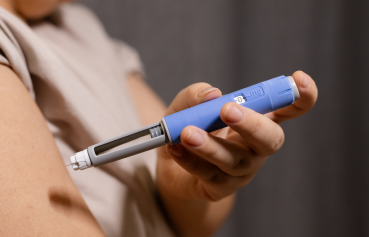
Injectable Zepbound® is given as a once-weekly subcutaneous injection, meaning it’s injected just under the skin using a prefilled pen. 

The Zepbound® pill is taken each morning, by mouth with about 4 ounces of water, on an empty stomach, at least 30 minutes before eating, drinking anything else, or taking other medications.

How is Zepbound® stored?

Injectable Zepbound® is stored in the refrigerator until it’s used. The Zepbound® pill is stored at room temperature.

Your knownwell care team will go over proper storage and handling instructions for your prescription.

What should I know about Zepbound® dosing?

Zepbound® is started at a lower dose and increased gradually over time to help the body adjust. 

The dosing schedule and final dose depend on whether Zepbound® is prescribed as a pill or an injection, as well as how your body responds. 

Your knownwell care team will review your specific dosing plan and make adjustments if needed.

Nutrition tips while taking Zepbound®

Studies show that Zepbound® can support meaningful weight reduction over time for many people, when used consistently as part of a broader weight management plan.
Choose balanced, nutrient-rich meals
Focus on whole foods like vegetables, lean proteins, and whole grains to support overall health and make meals feel satisfying.
Hydrate throughout the day.
Drinking water regularly can help with appetite cues and support weight management.
Pay attention to how you feel after meals.
Because Zepbound® can change hunger signals and sometimes cause digestive symptoms, smaller, slower meals can be easier to tolerate early in treatment.
Plan meals around your routine.
Eating when you’re truly hungry and spacing meals evenly can help support appetite regulation as your body adjusts.
These general patterns fit with how Zepbound® works in the body and can help support your treatment goals alongside your care team's guidance.

Explore medication options

We're here to help
Ozempic® The same active ingredient as Zepbound®, delivered as a weekly injection with strong clinical evidence supporting weight loss outcomes of 15–20%.
Wegovy®  A weekly injection with strong clinical evidence supporting weight loss outcomes of 15–20%.
Qsymia® or Contrave® Daily or twice-daily pill alternatives for those who prefer to avoid injections, with typical outcomes ranging from 5–10% weight loss.
Explore other medication options.

Ready to see if Zepbound® is right for you?

Meet with a knownwell provider to review your options, discuss whether Zepbound® fits your needs, and get guidance on next steps.

knownwell knows that long-term weight management support is critical. That's why our patients meet with the same clinician throughout their entire time at knownwell.

SEE CLINIC LOCATIONS

The science of Zepbound®

A closer look at GLP-1 receptor biology, peptide engineering, and metabolic effects

Zepbound® is the first of its kind

Tirzepatide, the active ingredient in Zepbound®, is unlike any GLP-1 medication that came before it. It’s a dual incretin receptor agonist, engineered to simultaneously activate both the GIP receptor and the GLP-1 receptor, the two primary hormonal pathways involved in regulating appetite, insulin secretion, and blood sugar.

Natural GIP and GLP-1 are incretin hormones released from the gut after eating. While GLP-1 medications (like semaglutide) target only the GLP-1 pathway, tirzepatide was engineered from the native GIP sequence to bind both receptors, allowing it to work through two complementary mechanisms rather than one.

Tirzepatide is modified to:

  • Resist rapid enzymatic breakdown in the body
  • Bind to albumin in the bloodstream
  • Extend its half-life to approximately one week
  • Allow for once-weekly subcutaneous dosing

This dual-receptor design is what distinguishes Zepbound® from single-pathway GLP-1 medications and has been associated with greater weight reductions in clinical trials.

Your brain on Zepbound®

GLP-1 receptors are expressed in brain regions involved in appetite and energy regulation, including the hypothalamus and brainstem. GIP receptors are also found in areas of the brain associated with satiety and reward signaling.When tirzepatide activates both receptor types, it:

  • Increases satiety signaling
  • Reduces overall food intake
  • Modifies reward-based eating pathways
  • Decreases caloric intake over time

The metabolic effects of Zepbound®

Tirzepatide's actions on blood sugar are glucose-dependent, meaning it:

  • Increases insulin secretion when blood sugar is elevated, reducing the risk of hypoglycemia compared to some other medications
  • Decreases glucagon, the hormone that raises blood sugar between meals
  • Reduces post-meal blood sugar spikes

Additional systemic effects include:

  • Slowed gastric emptying, supporting longer-lasting fullness after meals
  • Reductions in body fat, including visceral (abdominal) fat
  • Improved insulin sensitivity
  • Improvements in cholesterol, blood pressure, and other cardiometabolic markers

The history of GLP-1 medications

1980s - 1990s

Discovery of GLP-1

Scientists first identified glucagon-like peptide-1 (GLP-1) as a naturally occurring hormone released from the gut after eating.
Researchers discovered that GLP-1 helps:
  • Stimulate insulin release
  • Reduce glucagon (a hormone that raises blood sugar)
  • Slow stomach emptying
  • Signal fullness to the brain
This made GLP-1 a promising target for treating type 2 diabetes
 2000s

The Gila Monster Connection

While researching ways to extend GLP-1's lifespan in the body, scientists made a surprising find: Gila monster saliva contains exendin-4, a compound similar to human GLP-1 but far more resistant to breakdown.

In 2005, this led to the first FDA-approved GLP-1 receptor agonist, Exenatide (Byetta®) — lasting long enough, unlike natural GLP-1, to be used therapeutically.
 2010s

Longer-acting GLP-1 Medications

As research advanced, medication modifications became more refined — leading to longer-acting medications like liraglutide (Saxenda®) and semaglutide (Ozempic®, Wegovy®).

Semaglutide is ~94% similar to natural GLP-1 but engineered to resist breakdown, enabling once-weekly dosing with significantly improved outcomes for both blood sugar control and weight management.
2021 - Present

The Small-molecule Breakthrough

In 2021, Zepbound® (semaglutide 2.4 mg) became FDA-approved for chronic weight management. Clinical trials showed average weight loss of about 15% over 68 weeks, with some patients losing 20% or more.

GLP-1 medications are now recognized as a major advancement in obesity medicine, targeting appetite regulation rather than relying solely on willpower or calorie restriction.

Important safety information

We're here to help
Zepbound® is an FDA-approved prescription medication for chronic weight management and for moderate-to-severe obstructive sleep apnea in adults with obesity, used alongside a reduced-calorie diet and increased physical activity. Like all medications, it isn't right for everyone.
Who should not take Zepbound®
  • People with a personal or family history of medullary thyroid cancer (MTC)
  • People with a rare endocrine condition called Multiple Endocrine Neoplasia syndrome type 2 (MEN 2)
  • Anyone who has had a serious allergic reaction to tirzepatide or the ingredients in Zepbound®

Talk with your provider if you are pregnant, plan to become pregnant or breastfeed, or have a history of:

  • Pancreatitis or gallbladder problems
  • Severe stomach or digestive conditions
  • Kidney disease
  • Vision problems related to diabetes
What to watch for

Some side effects require prompt medical attention, including:

  • Severe or ongoing abdominal pain
  • Signs of an allergic reaction, such as swelling or trouble breathing
  • Symptoms of very low blood sugar, especially if you take diabetes medications

Your knownwell care team will review your health history, medications, and safety considerations before prescribing Zepbound® and will continue to support you throughout treatment.

DISCLAIMERS & SOURCES

Disclaimers

* I* The SURMOUNT-1 72-week clinical trial showed those taking tirzepatide lost an average of 16.0% of their body weight on the 5 mg dose, 21.4% on the 10 mg dose, and 22.5% on the 15 mg dose, compared to 2.4% with placebo. Half of those taking 10 mg and more than half on 15 mg doses lost 20% or more of their body weight.

Sources

1.
Aronne, L. J., Sattar, N., Horn, D. B., et al. (2024). Continued treatment with tirzepatide for maintenance of weight reduction in adults with obesity: The SURMOUNT-4 randomized clinical trial. JAMA, 331(1), 38-48. doi:10.1001/jama.2023.24945. Retrieved from https://pmc.ncbi.nlm.nih.gov/articles/PMC10714284/
2.
Davy, B. M. (2025). Water intake, hydration, and weight management. Physiology & Behavior, 33(7), 1199-1200. doi:10.1002/oby.24177. Retrieved from https://pubmed.ncbi.nlm.nih.gov/40374025/
3.
Eli Lilly and Company. (n.d.) Zepbound® pricing information. Retrieved from https://pricinginfo.lilly.com/zepbound
See all
4.
Eli Lilly and Company. (n.d.) Zepbound® savings card, cost & coverage support. Retrieved from https://zepbound.lilly.com/coverage-savings
5.
Farzam, K., Patel, P. (2024). Tirzepatide. StatPearls. Retrieved on Feb. 25, 2026, from https://www.ncbi.nlm.nih.gov/books/NBK585056/
6.
Frías, J. P., Davies, M. J., Rosenstock, J., et al. (2021). Tirzepatide versus semaglutide once weekly in patients with type 2 diabetes. New England Journal of Medicine, 385(6), 503-515. doi:10.1056/NEJMoa2107519. Retrieved from https://pubmed.ncbi.nlm.nih.gov/34170647/
7.
Gadde, K. M., Allison, D. B., Ryan, D. H., et al. (2011). Effects of low-dose, controlled-release, phentermine plus topiramate combination on weight and associated comorbidities in overweight and obese adults (CONQUER). The Lancet, 377(9774), 1341-1352. Retrieved from https://hcp.qsymia.com/efficacy-and-safety/study-conquer/
8.
Garvey, W. T., Frias, J. P., Jastreboff, A. M., et al. (2023). Tirzepatide once weekly for the treatment of obesity in people with type 2 diabetes (SURMOUNT-2): a double-blind, randomised, multicentre, placebo-controlled, phase 3 trial. The Lancet, 402(10402), 613-626. doi:10.1016/S0140-6736(23)01200-X. Retrieved from https://www.thelancet.com/journals/lancet/article/PIIS0140-6736(23)01200-X/fulltext
9.
Holst, J. J. (2019). From the incretin concept and the discovery of GLP-1 to today's diabetes therapy. Frontiers in Endocrinology, 10, 260. doi:10.3389/fendo.2019.00260. Retrieved from https://pmc.ncbi.nlm.nih.gov/articles/PMC6497767/
10.
Jastreboff, A. M., Aronne, L. J., Ahmad, N. N., et al. (2022). Tirzepatide once weekly for the treatment of obesity. New England Journal of Medicine, 387(3), 205-216. doi:10.1056/NEJMoa2206038. Retrieved from https://www.nejm.org/doi/full/10.1056/NEJMoa2206038
11.
Knudsen, L. B., Lau, J. (2019). The discovery and development of liraglutide and semaglutide. Frontiers in Endocrinology, 10, 155. doi:10.3389/fendo.2019.00155. Retrieved from https://pmc.ncbi.nlm.nih.gov/articles/PMC6474072/
12.
Liu, Q. K. (2024). Mechanisms of action and therapeutic applications of GLP-1 and dual GIP/GLP-1 receptor agonists. Frontiers in Endocrinology, 15, 1431292. doi:10.3389/fendo.2024.1431292. Retrieved from https://pmc.ncbi.nlm.nih.gov/articles/PMC11304055/
13.
Martin, C. K., Carmichael, O. T., Carnell, S., et al. (2025). Tirzepatide on ingestive behavior in adults with overweight or obesity: a randomized 6-week phase 1 trial. Nature Medicine, 31(9), 3141–3150. doi:10.1038/s41591-025-03774-9. Retrieved from https://pmc.ncbi.nlm.nih.gov/articles/PMC12443625/
14.
Mozaffarian, D., Agarwal, M., Aggarwal, M., et al. (2025). Nutritional priorities to support GLP-1 therapy for obesity. American Journal of Lifestyle Medicine, 19(3). doi:10.1177/15598276251344827. Retrieved from https://pmc.ncbi.nlm.nih.gov/articles/PMC12125019/
15.
Nauck, M. A., D'Alessio, D. A. (2022). Tirzepatide, a dual GIP/GLP-1 receptor co-agonist for the treatment of type 2 diabetes with unmatched effectiveness regarding glycaemic control and body weight reduction. Cardiovascular Diabetology, 21, 169. doi:10.1186/s12933-022-01604-7. Retrieved from https://pmc.ncbi.nlm.nih.gov/articles/PMC9438179/
16.
Nauck, M. A., Müller, T. D. (2023). Incretin hormones and type 2 diabetes. Diabetologia, 66(10), 1780–1795. doi:10.1007/s00125-023-05956-x. Retrieved from https://pmc.ncbi.nlm.nih.gov/articles/PMC10474001/
17.
Park, J. S., Kim, K. S., Choi, H. J. (2025). Glucagon-like peptide-1 and hypothalamic regulation of satiation: Cognitive and neural insights from human and animal studies. Diabetes & Metabolism Journal, 49(3), 333–347. doi:10.4093/dmj.2025.0106. Retrieved from https://pmc.ncbi.nlm.nih.gov/articles/PMC12086555/
18.
Samms, R. J., Sloop, K. W., Gribble, F. M., et al. (2021). GIPR function in the central nervous system: Implications and novel perspectives for GIP-based therapies in treating metabolic disorders. Diabetes, 70(9), 1938–1944. doi:10.2337/dbi21-0002. Retrieved from https://pmc.ncbi.nlm.nih.gov/articles/PMC8576420/
19.
Sattar, N., García-Pérez, L-E., Rodríguez, A., et al. (2025). Tirzepatide and cardiometabolic parameters in obesity: Summary of current evidence. Diabetes, Obesity and Metabolism, 27(10), 5386–5392. doi:10.1111/dom.16549. Retrieved from https://pmc.ncbi.nlm.nih.gov/articles/PMC12409218/
20.
Tall Bull, S., Nuffer, W., Trujillo, J. M. (2022). Tirzepatide: A novel, first-in-class, dual GIP/GLP-1 receptor agonist. Journal of Diabetes and Its Complications, 36(12), 108332. doi:10.1016/j.jdiacomp.2022.108332. Retrieved from https://www.sciencedirect.com/science/article/abs/pii/S1056872722002446
21.
U.S. Food and Drug Administration. (2024). FDA approves first medication for obstructive sleep apnea. Retrieved from https://www.fda.gov/news-events/press-announcements/fda-approves-first-medication-obstructive-sleep-apnea
22.
U.S. Food and Drug Administration. (2023). FDA approves new medication for chronic weight management. Retrieved from https://www.fda.gov/news-events/press-announcements/fda-approves-new-medication-chronic-weight-management
23.
U.S. Food and Drug Administration. (2025). OZEMPIC (semaglutide) injection, for subcutaneous use: Highlights of prescribing information. Retrieved from https://www.accessdata.fda.gov/drugsatfda_docs/label/2025/209637s035,209637s037lbl.pdf
24.
U.S. Food and Drug Administration (2025). ZEPBOUND (tirzepatide) injection, for subcutaneous use: Highlights of prescribing information. Retrieved from https://www.accessdata.fda.gov/drugsatfda_docs/label/2025/217806s031lbl.pdf
25.
Wadden, T. A., Foreyt, J. P., Foster, G. D., et al. (2011). Weight loss with naltrexone SR/bupropion SR combination therapy as an adjunct to behavior modification: The COR-BMOD trial. Obesity, 19(1), 110-120. doi:10.1038/oby.2010.147. Retrieved from https://pubmed.ncbi.nlm.nih.gov/20559296/
26.
Wharton, S., Lingvay, I., Bogdanski, P., et al. (2025). Oral semaglutide at a dose of 25 mg in adults with overweight or obesity. New England Journal of Medicine, 393(11), 1077-1087. doi:10.1056/NEJMoa2500969. Retrieved from https://www.nejm.org/doi/10.1056/NEJMoa2500969
27.
Wilding, J. P. H., Batterham, R. L., Calanna, S., et al. (2021). Once-weekly semaglutide in adults with overweight or obesity. New England Journal of Medicine, 384(11), 989-1002. doi:10.1056/NEJMoa2032183. Retrieved from https://www.nejm.org/doi/full/10.1056/NEJMoa2032183
Hallway photo of knownwell's clinic in Atlanta

Ready to see if
GLP-1s are right for you?

Get started with weight management care at knownwell.