



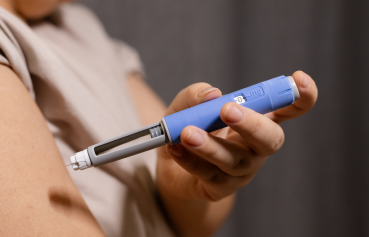










To get insurance to cover your weight loss medication, it is best to confirm that your plan covers it and clarify what your plan’s medical criteria are (i.e., BMI, medical conditions).
Your healthcare team will likely need to submit a prior authorization on your behalf to seek coverage. Finding a team specialized in prior authorizations, such as knownwell, can help with this.
Disclaimer: The coverage details below are examples from a selection of insurance companies and plan types. Your actual benefits may vary based on your specific plan, your state, your employer (if applicable), your medical history, the medication prescribed, diagnosis codes, prior authorization requirements, step therapy rules, quantity limits, and whether your pharmacy and prescriber are in network.
How to get insurance to cover weight loss medication: Quick answer
Get insurance to cover weight loss medication by considering and addressing what typically affects coverage.
Coverage and requirements are subject to change under each insurer’s terms and conditions, so check your insurer’s website and plan documents for the latest information.
Your specific insurance plan
Coverage can differ even if two individuals have the same insurance company, because they may have different plans or benefits.
Your BMI and health history
Many plans use cutoffs based on Body Mass Index (BMI). This is a measure of whether your weight is in a healthy range for your height.
For example, coverage may require a BMI of 30 or higher, or a BMI of 27 or higher if you also have a weight-related health condition.
Weight-related conditions include high blood pressure, type 2 diabetes, osteoarthritis, high cholesterol, and sleep apnea.
Which medication is prescribed
Some plans cover one medication but not another. Certain drugs may also be on higher-cost tiers.
Whether your paperwork is complete
Missing notes, missing labs, or the wrong diagnosis code can trigger a denial even when you medically qualify. Again, this is why it is especially important to find a team experienced in prior authorizations.
Prior authorization is common for weight management medications. This means your healthcare team has to send information to your insurer to demonstrate the medication meets coverage rules before the pharmacy can fill it.
7 Steps to get your weight loss medication covered by insurance
To ensure your weight loss medication gets covered by insurance, follow these 7 steps, starting with confirming your plan actually covers weight-loss medications:
1. Confirm your plan actually covers weight loss medications
Call your insurance plan (or pharmacy benefit manager) and check if your plan covers weight loss medications. Find out whether they’re covered with prior authorization or excluded.
Major insurance companies say that coverage depends on your specific plan. They also say some plans may not cover certain prescriptions, even if a doctor says they are medically necessary.
An online formulary (approved drug list) is a good place to start, but it isn’t always accurate because plans update their lists frequently, and employer-specific rules may vary. Use the online list as a starting point, but confirm coverage by calling the number on your insurance card.
Your plan may also cover weight management medicines differently from diabetes medicines, even if the drugs are in the same family.
Here are some questions you can ask your insurer:
- Are Wegovy (semaglutide 2.4 mg) and Zepbound (tirzepatide) covered on my plan?
- What tier are they on, and do they count as a specialty medication?
- Do they require prior authorization, step therapy, or a quantity limit?
- If not covered, are they excluded (plan won’t pay) or non-formulary (might be eligible for an exception)?
Important note: Some plans, especially employer plans, can choose to include or exclude weight loss medication coverage, even if other plans under the same insurance company cover it.
2. Know the medical criteria your plan requires
Most plans that cover weight management medicines may use all or some of these requirements:
- BMI threshold: Many prior authorization rules require a BMI of 30 or higher, or a BMI of 27 or higher plus at least one weight-related health condition. This is based on FDA criteria for GLP-medications in particular.
- Proof of a weight-related health condition: You may need a diagnosis like type 2 diabetes, high blood pressure, dyslipidemia, sleep apnea, arthritis, or other health problem linked to a higher health risk.
- Documented past attempts: Some plans want proof you tried other weight management support first, like nutrition visits, a structured program, or healthcare-guided lifestyle changes.
- No contraindications: Your healthcare team may need to confirm the medication is medically appropriate for you and that there are no reasons not to take it.
3. Work with a care team that specializes in obesity medicine
Working with a healthcare team that understands insurance requirements is important. They will understand the specific medical criteria that a plan needs.
How to connect your history to medical criteria
A good healthcare team will record your BMI over time, your health conditions, and what you’ve already tried for weight management in a way that fits common insurance rules.
Which diagnoses matter for coverage
If you have a weight-related condition (like type 2 diabetes, high blood pressure, or sleep apnea), they’ll make sure it’s clearly listed in your chart and on the prior authorization request.
How to respond fast if the plan asks for more info
Insurance often requests more notes, laboratory test results, or explanations. A care team that does this often can turn those around quickly.
How knownwell fits in:
The knownwell care team can help with insurance navigation as part of care, including submitting prior authorizations and helping with next steps if you get denied.
4. Gather complete medical documentation
To get your weight loss medication covered, make sure your care team sends your plan the exact records it asks for in a prior authorization or medical necessity review.
Here’s what to gather (these items commonly show up in plan rules and prior authorization checklists):
- Your BMI chart
- Your weight history and previous attempts
- Your weight-related health conditions
- A letter showing that a drug is appropriate, reasonable, and adequate for your condition
5. Submit prior authorization correctly the first time
To get your weight loss medication covered, your provider’s office usually has to submit a prior authorization (PA) request that matches your plan’s rules and includes the right diagnosis, treatment plan, and supporting records.
The timeline for prior authorization varies by plan and whether the request is standard or urgent.
UnitedHealthcare also publishes decision timelines (for certain authorization requests) that differentiate between urgent (where waiting could jeopardize your health) vs. non-urgent requests.
One reason insurance plans use prior authorization is cost. In a study of adults with type 2 diabetes, common weight loss medicines cost about $6,947 per person per year on average. In this study, insurance paid about 96% of that amount.
6. Appeal denials
If your insurance denies coverage, file an appeal within your plan’s deadline (often up to 180 days, depending on the insurer/plan). Ask your care team to help you respond to the exact denial reason.
Include the denial letter, any missing or updated documentation, and a stronger letter of medical necessity that focuses on your health needs.
If the first appeal is denied, many plans offer a second review. Depending on your plan type, you may also have an external review option. Medicare Part D has a defined multi-step appeals process.
7. Explore alternative coverage options while appealing
While you’re appealing, you may be able to lower costs or avoid gaps in treatment by using manufacturer savings programs (usually for people with commercial insurance). knownwell has a pharmacy team with expertise in navigating savings programs.
You can also check whether your plan covers a different medication option.
Manufacturer tools can help you check coverage and estimate cost, but the results are not a guarantee, so it’s still worth confirming details with your plan.
You can also ask your insurer (or pharmacist) whether another medication in the same class is covered on their formulary (approved drug list), is on a lower tier, or has different prior authorization requirements.
If you’re working with knownwell, your care team can help you review your coverage requirements, gather documentation, and identify reasonable next options based on what your plan will cover.
Which weight loss medications are covered by insurance?
Which weight loss medications are covered by insurance depends on your exact plan. This means what the medicine is approved to treat, and your plan’s formulary and rules (like prior authorization).
The difference: Diabetes vs. weight loss medications approval
Some medicines have the same main ingredient but different brand names and different approved uses. This can change whether insurance covers it and what paperwork is needed.
For example:
- Semaglutide
- Ozempic: Approved for type 2 diabetes
- Wegovy: Approved for chronic weight management
- Tirzepatide
- Mounjaro: Approved for type 2 diabetes
- Zepbound: Approved for chronic weight management
Some plans may cover both diabetes and weight management medications, while others may only cover one and not the other.
The next step is to check your plan’s formulary and call your insurer to confirm coverage for the exact brand your provider prescribed.
Weight loss injections covered by insurance
Weight loss injections that may be covered by insurance include:
- Semaglutide (Wegovy): FDA-approved for chronic weight management
- Tirzepatide (Zepbound): FDA-approved for chronic weight management
Because plan benefits can differ (even within the same insurance company), it’s normal to see big differences in what’s covered and what steps you have to complete to get approved.
Why insurance companies deny coverage
Insurance companies deny coverage for several main reasons, including BMI thresholds, missing documentation, lack of medical necessity proof, formulary restrictions, and unmet step therapy requirements.
Reason 1: BMI doesn't meet the threshold
If your plan denies coverage because of your BMI, it usually means you didn’t meet the plan’s rules. Many plans require a BMI of 30 or higher, or a BMI of 27 or higher plus a weight-related condition.
How to overcome it: Make sure your height and weight are current and recorded correctly. If your BMI is between 27 and 30, make sure any weight-related conditions are clearly documented in your medical record and included on the prior authorization submission.
Reason 2: Missing documentation of previous weight management attempts
Some plans deny coverage when they don’t see proof of structured lifestyle changes (such as a supervised weight management program, nutrition counseling, or documented nutrition plan and activity changes) before medication.
In some prior authorization criteria, this documentation is expected for at least 3 to 6 months.
How to overcome it: Ask your provider’s office what your plan considers acceptable proof. Gather records, program summaries, dietitian visit notes, coaching notes, or provider chart notes showing the changes you’ve been working on and for how long.
Reason 3: Lack of medical necessity documentation
Sometimes a plan denies coverage because there isn’t enough information to show the medicine is for a medical need, not for cosmetic reasons.
How to overcome it: Ask your provider for a clear letter of medical necessity that links the prescription to your health needs.
This includes weight-related conditions (when present) and relevant clinical data (like blood pressure readings or labs tied to diagnoses such as diabetes or high cholesterol).
The focus should be on better health and lowering risk, not appearance.
Reason 4: Medication not on formulary
If a medication isn’t on your plan’s formulary, your plan may deny it even if it covers other weight loss medications. Formularies can vary by plan and employer, and some plans also exclude certain weight management drugs.
How to overcome it: Call your plan and ask which similar medications are covered and what the rules are for each one. If your provider believes the non-formulary medication is a good fit, ask your plan about a formulary exception and what documentation they require.
Reason 5: Step therapy requirements not met
Some plans deny coverage because of step therapy. This means you may need to try an alternative drug first, typically something less expensive.
Medicare describes step therapy as a type of prior authorization where you start with a lower-cost option before moving to a higher-cost one.
How to overcome it: Ask your provider to document why the step options weren’t safe, didn’t work, or weren’t a good fit for you. You then request a step therapy exception. Check what paperwork is needed.
What to do when insurance denies coverage
When insurance denies coverage, you should read the denial reason, provide missing documentation (often documentation), and file an appeal by the deadline listed in your letter.
The appeal process actually works
If your insurance denies coverage, it may not be final. Read the denial reason, fix what’s missing (often documentation), and file an appeal by the deadline listed in your letter.
Appeals can work. In a 2023 review of plans, the in-network denial rate ranged from 1 to 54%, and insurers upheld an average of 56% of internal appeals, meaning about 44% were overturned and became approvals.
Some plans set an appeal deadline of 180 days (for example, Harvard Pilgrim/Point32Health and UnitedHealthcare), so always check your denial letter for your specific timeframe.
First-level appeal
For a first-level appeal, submit it by your plan’s deadline and follow the instructions in your denial notice.
Include the original denial letter, any additional medical documentation that fixes the denial reason (like updated BMI, diagnoses, or past weight management records), and a stronger letter of medical necessity from your provider.
Your provider’s office can often help because they have the records and can explain your medical needs in the language insurers require.
Alternative options while appealing
While you’re appealing, you may be able to lower your out-of-pocket cost by using manufacturer savings programs (often called manufacturer copay cards/coupons or copay assistance programs) or other discount options. Your provider can direct you to where to find these coupons.
Your insurance plan type matters
Your insurance plan type matters because coverage for weight loss medications varies significantly between commercial plans, Medicare, and Medicaid, with each having different rules and restrictions.
Commercial insurance (employer plans)
If you get insurance through an employer, your employer often decides whether weight management medications are included, excluded, or covered only with specific requirements like prior authorization.
Because of this, coverage can vary a lot from one employer plan to another, even if the insurance company name is the same.
What to do next: Contact your HR or benefits team and ask for the plan’s written coverage rules for GLP-1/weight management medications (including any exclusions, prior authorization criteria, and which drugs are on the formulary).
Medicare coverage
Medicare prescription coverage is offered through private plans, either as a stand-alone Part D plan or as drug coverage included in a Medicare Advantage plan. Coverage always depends on the specific plan’s formulary and rules.
Because plans can differ, some Part D plans may cover certain medications while others may not. Federal law (Social Security Act § 1860D-2) currently prohibits Medicare Part D plans from covering medications used solely for weight-loss.
They may also apply rules like prior authorization, step therapy, or quantity limits.
Medicare Advantage patients may start newer diabetes medications more slowly than people with commercial insurance, which can affect access and long-term use.
Medicaid coverage
Medicaid coverage for weight loss medications can vary by state, because states run their Medicaid programs within federal rules and set many of the day-to-day pharmacy coverage details (like preferred drug lists and prior authorization criteria).
Medicaid maintains state-by-state prescription drug resources that reflect each state’s coverage and reimbursement approach.
A study found that only some states with public preferred drug lists covered at least one anti-obesity medicine. This helps explain why coverage can vary a lot depending on where you live.
Cost considerations beyond insurance
Cost considerations beyond insurance include your out-of-pocket expenses (deductibles, copays, coinsurance) and manufacturer savings programs that may lower your monthly payments.
Your out-of-pocket costs
Your out-of-pocket cost for weight loss medication depends on how your plan shares costs and where you are in the plan year.
Common pieces include a deductible (what you pay before coverage kicks in), plus either a copay (a set dollar amount) or coinsurance (a percentage of the drug’s cost).
Keep an eye on your out-of-pocket maximum (the most you pay for covered care in a year) and your plan’s pharmacy rules.
Some medications may have to be filled through a specialty pharmacy or follow drug management rules, such as prior authorization or step therapy. These can affect both access and cost.
Manufacturer savings programs
Manufacturer savings programs may lower what you pay each month if you have commercial insurance. But the amount can vary by medication, pharmacy, and plan rules.
These programs also change over time, so it’s smart to read the current terms and confirm the final price at the pharmacy.
Eligibility rules often apply, and many programs cannot be used with government insurance. For example, the Manufacturer Savings Card terms say it can’t be used if a claim is submitted under government programs like Medicaid, Medicare, or TRICARE.
If you’re working with knownwell, your care team can help you figure out which savings options you’re eligible for and what to try next based on your plan.
Let knownwell handle the insurance complexity for you
You shouldn't have to become an insurance expert just to get the care you need. When insurance denies coverage the first time, it's usually a paperwork issue. The solution can be clearer documentation or an appeal.
Your knownwell care team handles the insurance logistics: Prior authorizations, appeals, and the medical documentation insurers require.
If your plan won't cover your first-choice medication, knownwell will review alternatives and check whether you qualify for savings programs.
What knownwell offers:
- Documentation that meets insurance requirements
- Multiple medication options if your first choice isn't covered
- Help getting support through manufacturer assistance programs
This means you spend less time fighting with insurance companies and more time working on your health goals.
Ready to get started?
- Virtual visits in all 50 states
- In-person clinics in the Boston, Chicago, Dallas/Fort Worth, and Atlanta areas
- Insurance accepted
- Ongoing care
Book your visit with knownwell to talk through your coverage options and get help planning next steps.
Frequently asked questions
How do I get insurance to cover weight loss medication?
To get insurance to cover weight loss medication, check your plan’s formulary and rules (like prior authorization). Then, have your healthcare provider submit a complete request with the right diagnosis and supporting records.
Does insurance cover weight loss injections?
Coverage depends on your plan and may come with rules like prior authorization, step therapy, or quantity limits.
Which weight loss medications are covered by insurance?
Coverage depends on your plan’s drug list. Common injectable options prescribed for chronic weight management include Wegovy and Zepbound. Each can be covered, restricted, or excluded depending on the plan.
Why did my insurance deny coverage for weight loss medication?
Many denials happen because the request didn’t match plan rules (like BMI criteria), a required step wasn’t met (like step therapy), or the prior authorization didn’t include enough documentation.
How long does prior authorization take for weight loss medication?
Prior authorization varies by plan. For example, TRICARE notes the prior authorization process takes about 10 days after the request is received, while other plans may be faster or slower.
Can I appeal if insurance denies my weight loss medication?
Yes, you can appeal. Most plans have an appeal process, and the denial letter should explain how to file and the deadline.
Source list
Akosa, A. N. (2006). Precertification, denials and appeals: Reducing the hassles. Family Practice Management, 13(6), 45-50. Retrieved from https://www.aafp.org/pubs/fpm/issues/2006/0600/p45.html
Andrus, M. R., Forrester, J. B., Germain, K. E., et al. (2015). Accuracy of pharmacy benefit manager medication formularies in an electronic health record system and the Epocrates mobile application. Journal of Managed Care & Specialty Pharmacy, 21(4), 281-284. doi:10.18553/jmcp.2015.21.4.281. Retrieved from https://pmc.ncbi.nlm.nih.gov/articles/PMC10397766/
Aetna. (2024). Weight loss (BMI 35) GIP-GLP-1 GLP-1 agonists PA with limit 6450-C UDR 05-2024. Aetna. Retrieved from https://www.aetna.com/products/rxnonmedicare/data/2024/Weight_Loss_(BMI%2035)_GIP-GLP-1_GLP-1_Agonists_PA_with_Limit_6450-C_UDR_05-2024.html
Aetna. (2025). HMO, PPO, POS, EPO, & HDHP: What's the difference? Aetna. Retrieved from https://www.aetna.com/health-guide/hmo-pos-ppo-hdhp-whats-the-difference.html
Aetna. (n.d.). Find a medication. Aetna. Retrieved from https://www.aetna.com/individuals-families/find-a-medication.html
Aetna. (n.d.). GLP-1 benefits coverage. Aetna. Retrieved from https://www.aetna.com/employers-organizations/glp1-benefits-coverage.html
Centers for Medicare & Medicaid Services. (n.d.). Appeals overview. CMS.gov. Retrieved from https://www.cms.gov/medicare/appeals-grievances/prescription-drug/appeals-overview
Centers for Medicare & Medicaid Services. (n.d.). Benefits. Medicaid.gov. Retrieved from https://www.medicaid.gov/medicaid/benefits
Centers for Medicare & Medicaid Services. (n.d.). Drug plan rules. Medicare.gov. Retrieved from https://www.medicare.gov/health-drug-plans/part-d/what-drug-plans-cover/plan-rules
Centers for Medicare & Medicaid Services. (n.d.). How do drug plans work? Medicare.gov. Retrieved from https://www.medicare.gov/health-drug-plans/part-d/what-drug-plans-cover/how-drug-plans-work
Centers for Medicare & Medicaid Services. (n.d.). Medicare Advantage & other health plans. Medicare.gov. Retrieved from https://www.medicare.gov/health-drug-plans/health-plans
Centers for Medicare & Medicaid Services. (n.d.). Prescription drugs. Medicaid.gov. Retrieved from https://www.medicaid.gov/medicaid/prescription-drugs/index.html
Centers for Medicare & Medicaid Services. (n.d.). State prescription drug resources. Medicaid.gov. Retrieved from https://www.medicaid.gov/medicaid/prescription-drugs/state-prescription-drug-resources/index.html
Centers for Medicare & Medicaid Services. (n.d.). What's Medicare drug coverage (Part D)? Medicare.gov. Retrieved from https://www.medicare.gov/health-drug-plans/part-d
Cigna Healthcare. (2025). FAQs | 2025 Part D prescription drug plans. Cigna. Retrieved from https://www.cigna.com/static/www-cigna-com/docs/medicare/plans-services/2025/part-d-plans-faqs.pdf
Eli Lilly and Company. (2024). Highlights of prescribing information for Zepbound (tirzepatide) injection, for subcutaneous use (NDA 217806). Retrieved from https://www.accessdata.fda.gov/drugsatfda_docs/label/2024/217806s013lbl.pdf
Eli Lilly and Company. (2025). Highlights of prescribing information for Mounjaro (tirzepatide) injection, for subcutaneous use (NDA 215866). Retrieved from https://www.accessdata.fda.gov/drugsatfda_docs/label/2025/215866s031lbl.pdf
Eli Lilly and Company. (n.d.). Coverage check. Lilly Coverage Check. Retrieved from https://lillycoveragecheck.iassist.com/
Fendrick, A. M. (2015). The effect of tiering on the utilization of antiobesity medications. Journal of Medical Economics, 18(9), 734-740. doi:10.3111/13696998.2015.1039539. Retrieved from https://www.tandfonline.com/doi/10.3111/13696998.2015.1039539?url_ver=Z39.88-2003&rfr_id=ori:rid:crossref.org&rfr_dat=cr_pub%20%200pubmed
Flory, J. H., Li, J., Dawwas, G. K., Leonard, C. E. (2021). Compared to commercially insured patients, Medicare Advantage patients adopt newer diabetes drugs more slowly and adhere to them less. Endocrinology, Diabetes & Metabolism, 4(2), e00245. doi:10.1002/edm2.245. Retrieved from https://onlinelibrary.wiley.com/doi/10.1002/edm2.245
Gasoyan, H., Pfoh, E. R., Schulte, R. (2024). Association of patient characteristics and insurance type with anti-obesity medications prescribing and fills. Diabetes, Obesity & Metabolism, 26(5), 1687-1696. doi:10.1111/dom.15473. Retrieved from https://dom-pubs.pericles-prod.literatumonline.com/doi/10.1111/dom.15473
Haggerty, T., Dekeseredy, P., Bailey, J., et al. (2024). Navigating coverage: A qualitative study exploring the perceived impact of an insurance company policy to discontinue coverage of antiobesity medication. Obesity Pillars, 11, 100120. doi:10.1016/j.obpill.2024.100120. Retrieved from https://pmc.ncbi.nlm.nih.gov/articles/PMC11332068/
Harvard Pilgrim Health Care. (2025). Important drug coverage updates for Harvard Pilgrim Health Care members. Harvard Pilgrim Health Care. Retrieved from https://www.harvardpilgrim.org/public/news/important-drug-coverage-updates-harvard-pilgrim-health-care-members
HealthCare.gov. (n.d.). Internal appeals. HealthCare.gov. Retrieved from https://www.healthcare.gov/appeal-insurance-company-decision/internal-appeals/
Jackson Lewis P.C. (2025). Employer strategies for GLP-1 weight-loss coverage. The National Law Review. Retrieved from https://natlawreview.com/article/employers-grapple-glp-1-coverage-weight-loss
Kan, H., Bae, J. P., Dunn, J. P., et al. (2023). Real-world primary nonadherence to antiobesity medications. Journal of Managed Care & Specialty Pharmacy, 29(10), 1099-1108. doi:10.18553/jmcp.2023.23083. Retrieved from https://www.jmcp.org/doi/10.18553/jmcp.2023.23083
KFF. (2024). Costly GLP-1 drugs are rarely covered for weight loss by Marketplace plans. KFF. Retrieved from https://www.kff.org/affordable-care-act/costly-glp-1-drugs-are-rarely-covered-for-weight-loss-by-marketplace-plans/
Khera, R., Murad, M. H., Chandar, A. K., et al. (2016). Association of pharmacological treatments for obesity with weight loss and adverse events: A systematic review and meta-analysis. JAMA, 315(22), 2424-2434. doi:10.1001/jama.2016.7602. Retrieved from https://jamanetwork.com/journals/jama/fullarticle/2528211
Liu, B. Y., Guo, J., Ippolito, B. N., et al. (2024). State coverage and reimbursement of antiobesity medications in Medicaid, 2011-2022. JAMA Network Open, 7(3), e240673. doi:10.1001/jamanetworkopen.2024.0673. Retrieved from https://pmc.ncbi.nlm.nih.gov/articles/PMC10941017/
Lo, J., Cox, C. (2024). Insurer strategies to control costs associated with weight loss drugs. Peterson-KFF Health System Tracker. Retrieved from https://www.healthsystemtracker.org/brief/insurer-strategies-to-control-costs-associated-with-weight-loss-drugs/
Lo, J., Long, M., Wallace, R., et al. (2025, January 27). Claims denials and appeals in ACA Marketplace plans in 2023. KFF. Retrieved from https://www.kff.org/affordable-care-act/issue-brief/claims-denials-and-appeals-in-aca-marketplace-plans-in-2023/
Long, M., Wager, E., Amin, K. (2024, December 18). Copay adjustment programs: What are they and what do they mean for consumers? KFF. Retrieved from https://www.kff.org/health-costs/copay-adjustment-programs-what-are-they-and-what-do-they-mean-for-consumers/
MACIPA. (n.d.). FDA-approved weight loss medications and coverage. MACIPA. Retrieved from https://www.macipa.com/wp-content/uploads/Weight_Loss_Final_01.pdf
Mainous III, A. G., Yin, L., Wu, V., et al. (2025). Body mass index vs body fat percentage as a predictor of mortality in adults aged 20-49 years. Annals of Family Medicine. doi:10.1370/afm.240330. Retrieved from https://pmc.ncbi.nlm.nih.gov/articles/PMC12306999/
Mass General Brigham Health Plan. (2024). Weight loss medications. Mass General Brigham Health Plan. Retrieved from https://resources.massgeneralbrighamhealthplan.org/pharmacy/PharmacyPolicies/Commercial/WeightLossMedications_PA_ComExch_Rx_12.01.2024.pdf
National Archives and Records Administration. (2025). Expediting standard organization determinations (Code of Federal Regulations, Title 42, § 422.570). Retrieved from https://www.ecfr.gov/current/title-42/chapter-IV/subchapter-B/part-422/subpart-M/section-422.570
National Association of Insurance Commissioners. (2024). Does insurance cover prescription weight loss injectables? NAIC. Retrieved from https://content.naic.org/article/does-insurance-cover-prescription-weight-loss-injectables
National Association of Insurance Commissioners. (n.d.). Health care bills: Explanation of benefits. NAIC. Retrieved from https://content.naic.org/sites/default/files/inline-files/explanation-of-benefits.pdf
Novo Nordisk. (n.d.). Check your cost and coverage. Wegovy.com. Retrieved from https://www.wegovy.com/coverage-and-savings/check-your-cost-and-coverage.html
Novo Nordisk. (n.d.). Ways to save on Wegovy. Wegovy.com. Retrieved from https://www.wegovy.com/coverage-and-savings/save-on-wegovy.html
Novo Nordisk. (n.d.). Diabetes savings offer program. NovoCare. Retrieved from https://www.novocare.com/eligibility/diabetes-savings-card.html
Novo Nordisk. (2025). Highlights of prescribing information for Ozempic (semaglutide) injection, for subcutaneous use (NDA 209637). Retrieved from https://www.accessdata.fda.gov/drugsatfda_docs/label/2025/209637s035,209637s037lbl.pdf
Novo Nordisk. (2025). Highlights of prescribing information for Wegovy (semaglutide) injection, for subcutaneous use (NDA 215256). Retrieved from https://www.accessdata.fda.gov/drugsatfda_docs/label/2025/215256s026lbl.pdf
Novo Nordisk. (2025). Overview: Prior authorizations. NovoMEDLINK. Retrieved from https://www.novomedlink.com/content/dam/novonordisk/novomedlink/new/obesity/product-information/resources/library/documents/wegovy-tips-for-prior-authorizations.pdf
Novo Nordisk. (2025). Ready to talk to your insurance company about Wegovy? NovoCare. Retrieved from https://www.novocare.com/content/dam/novonordisk/novocare/forms/Wegovy_Insurance_Coverage_Guide.pdf
Point32Health. (2025). Filing limit appeals. Harvard Pilgrim Health Care Provider Manual. Retrieved from https://www.point32health.org/documents/g-filing-limit-appeals-pm
Smathers, N. (2025). Reasons for prior authorization denials & how to reduce rates. DataMatrix Medical. Retrieved from https://datamatrixmedical.com/reasons-for-prior-authorization-denials/
Social Security Administration. (n.d.). Payment for covered outpatient drugs (Social Security Act § 1927, 42 U.S.C. 1396r-8). Retrieved from https://www.ssa.gov/OP_Home/ssact/title19/1927.htm
Tchang, B. G., Aras, M., Kumar, R. B., et al. (2024). Pharmacologic treatment of overweight and obesity in adults. Endotext. Retrieved from https://www.ncbi.nlm.nih.gov/books/NBK279038/
TRICARE. (2023). Get pre-authorization or medical necessity. TRICARE. Retrieved from https://www.tricare.mil/CoveredServices/Pharmacy/FillPrescriptions/PreAuthMedical
TRICARE. (2025). Getting prior authorizations for TRICARE prescriptions: Your questions answered. TRICARE Newsroom. Retrieved from https://newsroom.tricare.mil/News/TRICARE-News/Article/4192526/getting-prior-authorizations-for-tricare-prescriptions-your-questions-answered
TRICARE. (2025). Medical necessity appeals. TRICARE. Retrieved from https://www.tricare.mil/PatientResources/Claims/Appeals/MedicalNecessity
TRICARE. (2025). Obesity treatment. TRICARE. Retrieved from https://tricare.mil/CoveredServices/IsItCovered/ObesityTreatment
TRICARE. (n.d.). Prior authorization. TRICARE. Retrieved from https://www.tricare.mil/pharmacy/priorauth
U.S. Department of Labor. (n.d.). Health plans & benefits. DOL.gov. Retrieved from https://www.dol.gov/general/topic/health-plans
UnitedHealthcare. (2022). Transparency in coverage. UnitedHealthcare. Retrieved from https://www.uhc.com/legal/health-insurance-marketplace/transparency-in-coverage
UnitedHealthcare. (2025). Prior authorization/notification - plans with weight loss/appetite suppression medication coverage. UnitedHealthcare. Retrieved from https://www.uhcprovider.com/content/dam/provider/docs/public/prior-auth/drugs-pharmacy/commercial/r-z/PA-Notification-Weight-Loss.pdf
UnitedHealthcare. (2025). Time frames for claim submissions and appeals: Quick reference guide for Wisconsin. UnitedHealthcare. Retrieved from https://www.uhcprovider.com/content/dam/provider/docs/public/commplan/wi/qrg/WI-Timeframes-Claim-Submissions-Appeals-QRG.pdf
UnitedHealthcare. (2025). Weight gain or weight loss programs: CA. UnitedHealthcare West Benefit Interpretation Policy. Retrieved from https://www.uhcprovider.com/content/dam/provider/docs/public/policies/signaturevalue-bip/weight-gain-loss-programs-ca.pdf
UnitedHealthcare. (n.d.). Out-of-pocket limit. UnitedHealthcare. Retrieved from https://www.uhc.com/understanding-health-insurance/understanding-health-insurance-costs/types-of-health-insurance-costs/out-of-pocket-limitsv
Wellcare. (2025). Does Medicare cover weight-loss drugs? Wellcare. Retrieved from https://www.wellcare.com/resources/does-medicare-cover-weight-loss-drugs
Wu, J., Sullivan, P. W. (2025). Patterns and costs associated with glucagon-like peptide-1 receptor agonist use among adults with type 2 diabetes in the United States, 2021-2022. Journal of Managed Care & Specialty Pharmacy, 31(10), 1029-1038. doi:10.18553/jmcp.2025.31.10.1029. Retrieved from https://pmc.ncbi.nlm.nih.gov/articles/PMC12467763/
Yamada, T., Kimura-Koyanagi, M., Sakaguchi, K., et al. (2023). Obesity and risk for its comorbidities diabetes, hypertension, and dyslipidemia in Japanese individuals aged 65 years. Scientific Reports, 13, 2346. doi:10.1038/s41598-023-29276-7. Retrieved from https://www.nature.com/articles/s41598-023-29276-7
