










If you've seen the recent news connecting GLP-1 medications to vision loss, you're not the only one asking about it — our clinicians have heard the same question a lot. Here's what's actually behind the headlines.
What's the concern about vision loss & GLP-1s?
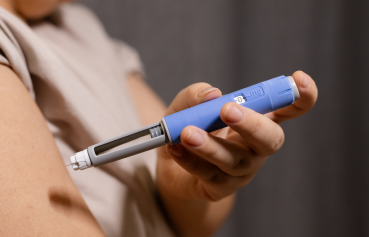
Several lawsuits filed this year allege that GLP-1 medications like semaglutide (Ozempic, Wegovy) and tirzepatide (Mounjaro, Zepbound) may be linked to a rare eye condition called non-arteritic anterior ischemic optic neuropathy, or NAION. NAION causes sudden, usually painless vision loss in one eye when blood flow to the optic nerve is reduced, oftentimes described as a stroke of the eye. It has no cure, and the vision loss is often permanent.
That's understandably alarming to hear. It's also important to separate the headlines from what the research currently shows.
What do the studies actually say?
NAION research on GLP-1s has been active since 2024, and the picture is more nuanced than "GLP-1s cause blindness."
The most authoritative word on the condition came in May 2026, when the American Academy of Ophthalmology and the North American Neuro-Ophthalmology Society published a joint consensus statement reviewing more than 40 studies.
Their full analysis in the journal Ophthalmology found that some studies show a small increased risk of NAION with semaglutide specifically — roughly a two-fold increase in relative risk — while other studies, including some very large ones, found no increased risk at all. The Academy's summary is a good read if you want to review the shorter version.
A few specific findings help put that "two-fold increase" into perspective:
- The European Medicines Agency's safety review estimates NAION could affect up to 1 in 10,000 people with diabetes taking semaglutide.
- One large 2025 cohort study matched roughly 159,000 people with type 2 diabetes into comparable groups and found 35 on semaglutide or tirzepatide developed NAION over two years, compared with 19 in the comparison group — a real but small difference.
- Randomized trial data is mixed: one meta-analysis of 78 trials found an increased signal for NAION specifically, while a separate meta-analysis of 69 trials covering the whole GLP-1 class found no significant association.
How NAION fits with other GLP-1 eye side effects
NAION gets the headlines, but it's worth knowing where it fits among the eye-related side effects clinicians actually observe more often with GLP-1 medications:
- Blurry vision: the most common eye complaint, caused by rapid blood sugar changes affecting the shape of the eye's lens. This change is usually temporary and resolves within three to four months.
- Worsening diabetic retinopathy: semaglutide can temporarily worsen existing diabetic eye disease in some patients as blood sugar improves quickly, which is why patients with retinopathy are often watched more closely early in treatment.
- Dry eye: some patients notice existing dry eye symptoms become more noticeable, likely related to fluid balance changes.
- NAION: rare, sudden, one-eye vision loss from reduced optic nerve blood flow. This is the condition behind the current lawsuits and the one that needs same-day attention.
The first three are common and manageable. NAION is rare and serious, which is exactly why it's the one worth knowing the warning signs for, rather than something to worry about with every vision change.
Who might be at higher risk for NAION?
Certain factors are already linked to NAION independent of any medication, including:
- Diabetes
- High blood pressure, if overtreated (patients on too high of dose) and blood pressure drops at night
- Obstructive sleep apnea
- A smaller-than-average optic nerve cup-to-disc ratio (an anatomical trait, not something within a patient's control)
- Age over 50
Two of these are worth a closer look, because they're easy to overlook precisely because GLP-1 treatment is working:
Blood pressure. Weight loss on a GLP-1 medication often lowers blood pressure on its own, but it also means blood pressure medications that were dosed for a higher starting weight can end up doing too much. Blood pressure that drops too low, especially overnight, is one of the leading theories for how reduced optic nerve blood flow happens in the first place. This is why blood pressure medications should be re-evaluated as weight changes, not left on autopilot.
Sleep apnea. Untreated or under-treated obstructive sleep apnea is a separate, independent risk factor for NAION. Because sleep apnea often improves as weight decreases, it can be tempting to consider it "handled" — but confirming that treatment (like continuous positive airway pressure or CPAP) is still adequate, or getting a formal diagnosis and treatment plan in the first place, matters on its own, not just as a side effect of weight loss.
If a patient has several of these risk factors, that's useful context for a shared conversation with their care team. It's also a reminder that treating diabetes, blood pressure, and sleep apnea well isn't separate from GLP-1 treatment — it's part of it.
Should patients stop their medication?
No major medical body is recommending that patients broadly stop weight management medications. The American Academy of Ophthalmology and North American Neuro-Ophthalmology Society explicitly do not support a blanket recommendation to discontinue treatment, noting that stopping medication abruptly can carry real risks for patients managing diabetes, cardiovascular disease, or other conditions.
Their guidance, and ours: this is a shared decision between each patient and their care team, weighing individual risk factors against the substantial benefits these medications offer.
When to seek care right away
Patients on a GLP-1 medication should contact their clinician immediately if they notice:
- Sudden vision loss or blurring in one eye, often first thing in the morning upon waking
- A dark or gray spot in their vision that doesn't move
- Sudden loss of color vision or contrast
- Any of the above without pain (NAION is typically painless, which is part of what makes it easy to dismiss)
Gradual blurry vision that develops early in treatment is usually a different, more common, and reversible side effect related to blood sugar changes, but any sudden change in vision deserves a same-day call.
What's next in the research
This is an active, fast-moving area of research, not a settled question. A five-year study called FOCUS is currently tracking around 1,500 patients to better understand how semaglutide affects diabetic eye disease over time, with results expected in 2027. The Food and Drug Administration (FDA) also has an ongoing Sentinel Initiative safety review specifically evaluating the NAION signal.
How knownwell® treats GLP-1 side effects
GLP-1 medications work best as one part of a comprehensive metabolic care plan. Every major risk factor researchers have connected to NAION so far (diabetes, high blood pressure, sleep apnea) is a condition that can sometimes improve with active, coordinated weight management alongside a GLP-1 medication. That includes revisiting blood pressure medication doses as weight changes, and making sure sleep apnea treatment keeps pace rather than being assumed to resolve on its own. These safety considerations are an essential part of managing each patient’s overall metabolic health from every angle in the long term.
This is the model knownwell is built around. Our clinicians look at the whole patient, including diabetes control, blood pressure, sleep apnea, and other comorbid conditions, alongside weight management. Because of this approach, we’re also able to prioritize patient safety and personalize care.
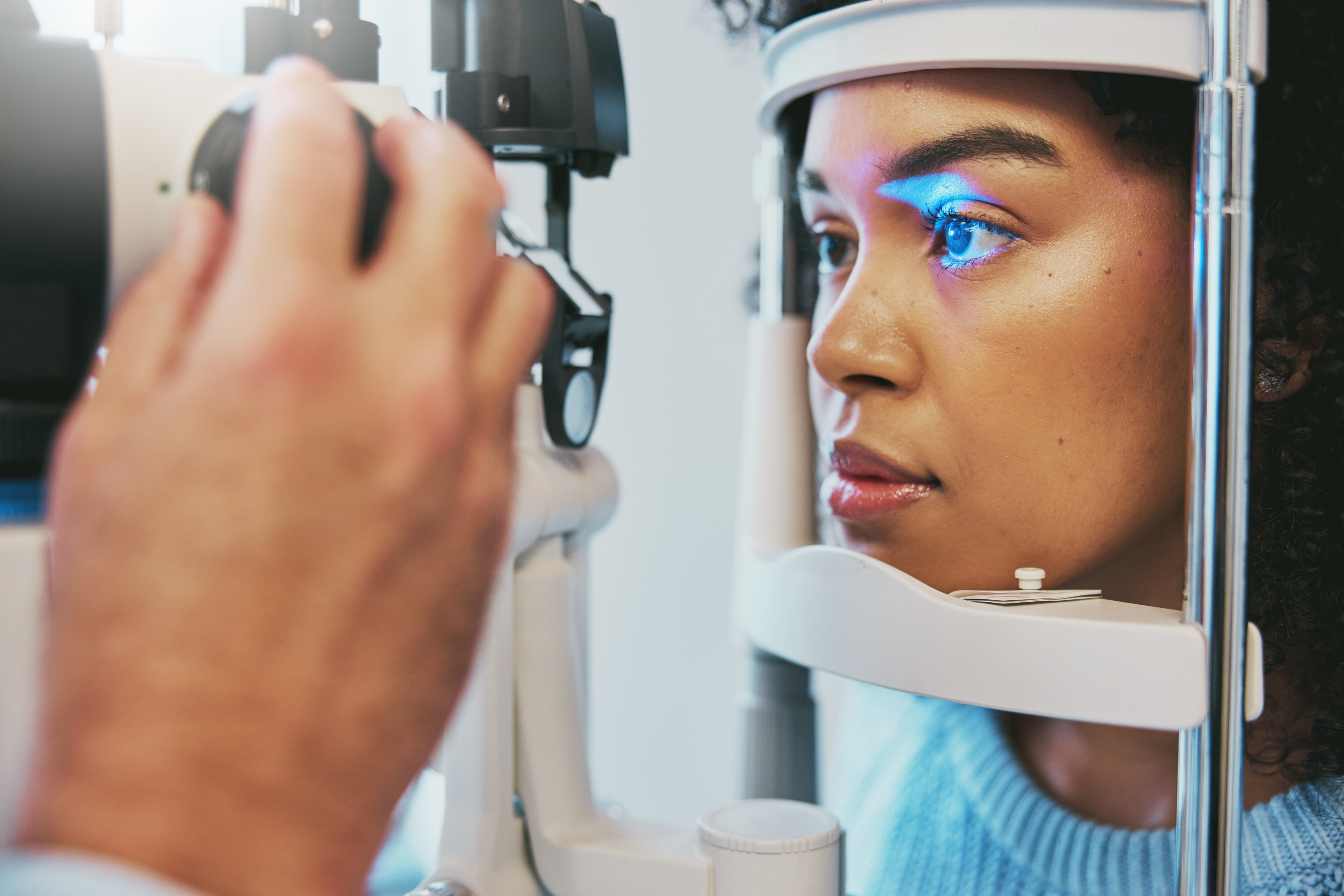
Patients with diabetes should keep up with their regular diabetic eye exams. Routine screening solely for NAION risk isn't currently recommended by the American Academy of Ophthalmology for patients starting a GLP-1. If you're a knownwell patient with questions about your own risk, bring it up at your next virtual visit or in-clinic visit.
Frequently Asked Questions About Vision Loss & GLP-1s
Can Ozempic cause blindness?
"Ozempic blindness" isn't an official diagnosis. It's a term people use informally to describe NAION, a rare optic nerve condition tied to reduced blood flow. Research shows a possible small increased risk with semaglutide, but the overall risk remains low, and no direct cause-and-effect has been proven.
What is NAION?
NAION (non-arteritic anterior ischemic optic neuropathy) happens when blood flow to the optic nerve is suddenly reduced, causing sudden, usually painless vision loss in one eye. It's the most common cause of acute optic nerve injury in adults over 50, independent of any medication.
Is vision loss from GLP-1 medications reversible?
It depends on the cause. Blurry vision from blood sugar changes is usually temporary and improves within three to four months. NAION-related (non-arteritic anterior ischemic optic neuropathy) vision loss, however, is typically permanent, since there's currently no treatment that restores the damaged optic nerve.
How common is NAION in people taking a GLP-1 medication?
Estimates vary by study. The European Medicines Agency puts it at up to 1 in 10,000 people with diabetes on semaglutide. Other researchers estimate roughly three to four cases per 10,000 people starting treatment.
Do I need an eye exam before starting a GLP-1 medication?
The American Academy of Ophthalmology and North American Neuro-Ophthalmology Society don't currently recommend a screening exam solely for NAION risk before starting treatment. Patients with diabetes should simply continue their regular diabetic eye exam schedule, and anyone with existing eye disease should mention it to their clinicians.
Should I stop taking my GLP-1 medication if I notice vision changes?
It’s not advised to stop any medication without first consulting with your care team. If you notice vision changes, contact your care team the same day, especially for sudden or painless vision changes in one eye. Abruptly stopping weight management medications carries its own risks, so this is a decision to make together with your clinician, not alone.
Is blurry vision normal when starting a GLP-1 medication?
Mild, temporary blurry vision can happen as blood sugar levels stabilize, especially in the first few months. Ophthalmologists note this usually subsides after three or four months as the eye's lens adjusts. It's different from NAION (non-arteritic anterior ischemic optic neuropathy), which is sudden, often more severe, and doesn't resolve on its own.
Are Wegovy, Zepbound, and Mounjaro linked to vision loss too, or just Ozempic?
Most of the research signal so far centers on semaglutide (Ozempic, Wegovy, Rybelsus), but the American Academy of Ophthalmology and North American Neuro-Ophthalmology Society consensus statement notes that research on other GLP-1s is "less frequently studied and warrants further investigation, particularly for tirzepatide" (Mounjaro, Zepbound). With the current findings, it's an open question rather than a settled "just Ozempic" answer.
