








You can tighten loose skin after weight loss by strength training, proper hydration, and targeted nutrition. Still, not everyone gets the same results from every approach. This guide will help you by discussing how to lose weight without loose skin.
Disclaimer: This article provides general educational information, but it’s not a substitute for professional medical advice. Individual skin health needs vary significantly based on age, genetics, medical history, medications, and other factors.
Please consult with a qualified healthcare provider, dermatologist, or your doctor before making big changes to ensure recommendations are appropriate and safe for your specific health situation.
These general approaches work for many people, but everyone's skin responds differently based on individual factors. Your knownwell specialist can help you develop a personalized plan that supports both your weight management goals and skin health throughout your journey.
Can you lose weight without loose skin?
Yes, you can lose weight while minimizing loose skin, though individual results vary. Your skin's response depends on several biological and lifestyle factors.
Loose skin after weight management happens because the skin that stretched to accommodate a larger body size needs time to contract when your body size reduces. How much your skin tightens depends on factors like your age, how much weight you've lost, genetics, and how quickly the weight came off.
While you can't completely prevent loose skin if you've lost significant weight, you can take steps that support your skin's natural ability to bounce back.
How to tighten skin after weight loss (without surgery)
If you've already lost weight and have loose skin, several non-surgical options can help.
Time: What the skin can naturally do on its own
Your skin continues adapting for months to years after you reach a stable weight. Many people see continued improvement during this period as collagen remodeling continues.
Don't rush to make decisions about medical interventions immediately after weight management. Give your skin time (12-24 months) to do what it can naturally.
There are 3 main ways you can approach how to tighten skin after weight loss naturally:
- Maintaining your weight management
- Continuing strength training
- Supporting skin health through nutrition
All of those points contribute to ongoing improvement during this period. Focus on them before trying other approaches.
Topical solutions: what's worth trying
Some topical treatments show promise for supporting skin firmness, though results vary:
Retinoids (vitamin A derivatives) can stimulate collagen production when applied consistently over time. Prescription-strength retinoids typically work better than over-the-counter options. Apply them as directed by a dermatologist, as they can cause irritation initially.
Firming creams containing caffeine may provide temporary (for the duration of use) tightening effects by promoting water loss from skin tissues. The results are modest (less than 1 cm decrease in circumference) and temporary.
Moisturizers with peptides and hyaluronic acid support overall skin health but don't dramatically change skin laxity. They can, however, improve skin appearance and texture.
Set realistic expectations with topical treatments, as they work best for mild skin laxity and require consistent, long-term use.
Skin-stimulating treatments
Several professional treatments can help tighten skin without surgery:
Radiofrequency (RF) treatments use heat to stimulate collagen production in deeper skin layers. Multiple sessions typically provide gradual tightening over several months.
Ultrasound therapy delivers focused energy to specific tissue depths, triggering collagen production. Ultherapy is one FDA-approved option for skin tightening.
Microneedling creates tiny controlled injuries that stimulate your body's natural healing response and collagen production. Multiple sessions show better results than single treatments.
Laser treatments can improve skin texture and stimulate collagen, though they work best for mild to moderate skin laxity.
These treatments require multiple sessions and work gradually over time. They're most effective for mild to moderate loose skin rather than significant excess skin (after 100+ pounds lost).
Building and maintaining muscle tone
Even after weight management, continuing resistance training helps minimize the appearance of loose skin. Building muscle provides internal structure that supports skin from underneath. Focus on:
- Consistent strength training 2-3 times weekly
- Progressive overload (gradually increasing resistance)
- Full-body exercises that work major muscle groups
- Adequate protein intake to support muscle maintenance
Muscle building is a long-term investment in your body composition and how your skin appears.
When to consider medical or surgical options
These are some instances where non-surgical approaches aren't enough, and medical interventions become appropriate.
When excess skin becomes a health issue
Consider medical consultation if loose skin causes:
Hygiene challenges: Skin folds that trap moisture can lead to rashes, infections, or unpleasant odors that don't improve with good hygiene practices.
Physical discomfort: Excess skin that interferes with movement, causes chafing during exercise, or leads to chronic skin breakdown.
Mobility limitations: Loose skin that prevents you from being physically active or performing daily activities comfortably.
Significant emotional distress: While cosmetic concerns alone don't make surgery medically necessary, severe psychological impact matters for quality of life.
Types of skin removal surgery
Abdominoplasty (tummy tuck) removes excess abdominal skin and tightens underlying muscles. This is one of the most common procedures after excess weight management (100 pounds).
Brachioplasty (arm lift) is for loose skin on the upper arms, which often bothers people after major weight management.
Thigh lift removes excess skin from inner or outer thighs.
Lower body lift takes care of skin laxity around the abdomen, hips, buttocks, and thighs in one procedure.
Breast lift or reduction addresses changes in breast tissue after weight management.
Panniculectomy specifically removes the hanging abdominal skin panel (pannus) and is sometimes covered by insurance when it causes medical problems.
These surgeries require recovery time, typically several weeks to months, depending on the procedure. They also leave permanent scars, though surgeons place incisions strategically to minimize visibility.
Non-surgical tightening treatments and how effective they really are
Non-surgical treatments can improve mild to moderate skin laxity, but they can't address significant excess skin. They work best when:
- You have relatively mild loose skin
- You've reached a stable weight and maintained it
- You have realistic expectations about gradual, modest improvement
- You're willing to commit to multiple treatment sessions
For more significant loose skin, especially after losing 100+ pounds, surgical options typically provide more noticeable results.
What to expect with recovery and insurance
Skin removal surgery recovery varies by procedure, but it generally includes:
- Several weeks of limited activity
- Temporary drains to prevent fluid buildup
- Pain management during initial healing
- Gradual return to normal activities over 6-12 weeks
- Scar care protocols for optimal healing
Insurance coverage depends on whether the excess skin causes medical problems. Purely cosmetic procedures typically aren't covered, but some insurers cover panniculectomy when the hanging skin causes recurrent infections, significant hygiene issues, or mobility limitations.
So, you’ll need documentation from your healthcare professional about the necessity of the surgery.
At knownwell, we can provide appropriate referrals when surgical intervention makes sense for your situation and connect you with experienced surgeons who understand the unique needs of weight management patients.
How weight loss affects skin elasticity
When you carry extra weight for an extended period, your skin stretches to accommodate your body size. Think of it like a balloon that's been inflated for months or years.
During weight management, fat cells shrink, but the skin doesn't always contract at the same rate. The key proteins responsible for skin elasticity are collagen and elastin. They determine how well your skin bounces back.
Collagen provides firmness and structure, while elastin allows skin to stretch and return to its original shape.
Factors that influence outcomes
Age plays a significant role. As we get older, our bodies naturally produce less collagen and elastin. Someone in their 20s typically has more skin elasticity than someone in their 50s, meaning younger individuals often see better skin retraction after weight management.
The rate of weight loss matters. Losing weight gradually gives your skin time to adapt to changes in your body. The British Heart Foundation recommends aiming for 0.5 kg to 1 pounds per week, as this pace allows your body to adjust naturally while helping you develop sustainable eating habits.
However, the right pace for you depends on your individual health situation. Work with us at knownwell to determine what gradual weight loss looks like for your specific needs.
Genetics influence your baseline skin quality. Some people naturally have more elastic skin than others, regardless of their health habits.
Starting weight and duration at higher weight can affect outcomes too. If you've carried significant extra weight for many years, your skin has been stretched longer and may have more difficulty returning to its original state.
Sun exposure history impacts collagen integrity. Years of unprotected sun exposure break down collagen and elastin, reducing your skin's ability to snap back.
Lifestyle factors like smoking, alcohol consumption, and hydration levels all affect skin health and elasticity.
The difference between loose skin and stubborn fat
What looks like loose skin might actually be remaining body fat with a thin layer of skin over it. While this is subjective, in most people, true loose skin lifts easily, and it has a density similar to the thin skin on the back of your hand. If you can grab a substantial amount of tissue, you may still have subcutaneous fat to lose.
This distinction matters because loose skin and remaining fat require different approaches. Fat responds to continued healthy eating patterns and exercise, while loose skin needs time, skin-supporting nutrients, and potentially medical interventions.
Understanding loose skin severity
Not all loose skin requires the same approach.
The Stokes Scale classifies skin excess following massive weight management (typically 75-200 pounds) into five grades based on physical presentation and functional impact:
Grade 0 (None to Minimal): No significant skin excess or laxity. Skin has maintained good elasticity despite weight management.
Grade 1 (Mild): Single area of skin excess, commonly the lower abdomen, without significant functional problems.
Grade 2 (Moderate): Two areas showing skin redundancy, often combining abdominal excess with upper arm or thigh laxity.
Grade 3 (Severe): Three areas with substantial skin excess causing moderate functional impairment. Common combinations include abdomen, arms, and thighs with noticeable interference in physical activities.
Grade 4 (Massive): Four or more body areas severely affected with significant functional disability. Extensive skin redundancy causes hygiene difficulties, chronic skin conditions, mobility limitations, and substantial psychological distress.
Your knownwell team considers this alongside your individual health goals, medical history, and personal preferences when developing treatment recommendations.
Note: This scale defines the use of ‘mild, moderate, severe, and massive’ loose skin in this article.
Why loose skin occurs during weight loss
Understanding why loose skin develops helps you know how to get rid of loose skin or prevent it from occurring.
Collagen + Elastin: What your skin needs to bounce back
Your skin is remarkably adaptable, but it needs specific building blocks to maintain elasticity. the The National Library of Medicine has found that Collagen makes up about 75% of your skin's dry weight and provides structure. Elastin allows your skin to stretch when needed and return to its original position afterward.
When you maintain a higher weight for an extended period, your body produces collagen to support the stretched skin. However, during weight management, especially rapid weight management, your body can't regenerate new collagen quickly enough to match the changing body size.
Collagen production also naturally declines as we age by about 1.0 -1.5% per year after age 20, also according to the National Library of Medicine. This means older adults face additional challenges with skin elasticity during weight management.
Rapid vs. gradual weight loss and how each impacts skin integrity
The speed of weight management significantly affects your skin's ability to adapt.
Gradual weight management (1-2 pounds per week) allows your skin time to contract naturally. Your body continues producing collagen and remodeling skin tissue as you lose weight.
Rapid weight management (more than 2 pounds per week) often outpaces your skin's natural contraction ability. When fat cells shrink quickly, the skin doesn't have adequate time to produce new collagen or remodel existing tissue. This is why people who lose large amounts of weight rapidly often experience more loose skin.
Certain weight management approaches like very low-calorie diets without medical supervision or extreme exercise regimens can accelerate this process beyond what's healthy for skin integrity.
Impact of yo-yo dieting and crash dieting
Repeated weight management and regain cycles (yo-yo eating pattern) damage skin elasticity over time. Each cycle stretches and contracts the skin, gradually wearing down its elastic fibers. It's similar to repeatedly stretching a rubber band, and it eventually loses its ability to snap back.
Crash eating patterns lead to rapid weight management, inadequate nutrition, and often insufficient protein intake. These factors together create the perfect conditions for loose skin development. Your body needs specific nutrients to maintain and repair collagen, and crash meal patterns typically don't provide them.
Can you prevent loose skin while losing weight?
Yes, some evidence-based strategies help prevent loose skin during weight loss, though you can’t control every factor.
Here’s how to avoid loose skin when losing weight:
Why slow, consistent weight loss matters
Slow, consistent weight loss of about 1 to 2 pounds every week helps your skin adapt to a minimal, consistent loss. This pace allows collagen remodeling to occur alongside fat loss. Your body needs time to adjust to its changing size, and slower weight management provides that window.
This gradual loss also helps you maintain muscle mass, which fills out space under your skin and creates a firmer appearance.
At knownwell, we work with you to develop realistic timelines that support both your health goals and your body's natural adaptation processes. We understand that patience can be challenging, but sustainable results matter more than speed.
Resistance training to preserve and build lean muscle
Building muscle serves two important purposes during weight management. It helps fill the space previously occupied by fat, giving your skin something to "hold onto" rather than hanging loosely. Also, resistance training stimulates collagen production through mechanical stress on tissues.
Focus on compound movements that work multiple muscle groups:
- Squats and lunges for the lower body
- Push-ups and rows for the upper body
- Planks and core exercises for your midsection
- Deadlifts for overall body strength
Aim for 2-3 resistance training sessions weekly. You don't need to lift extremely heavy weights—consistent, progressive training with moderate weights works effectively.
Protein-rich eating patterns to support skin health and elasticity
Protein provides the amino acids your body needs to produce collagen. During weight management, especially on GLP-1 receptor agonists, consuming adequate protein helps preserve lean muscle mass and supports skin health.
Aim for 1.2 to 1.5 grams of protein per kilogram of ideal body weight per day. This might look like:
- 20-30 grams of protein at each meal
- Prioritizing protein at the start of meals
- Including lean proteins like chicken, fish, eggs, Greek yogurt, legumes, and tofu
A registered dietitian can help you determine the right protein intake for your personal health goals and which sources work best for your lifestyle.
To calculate your weight in kilograms: Divide your weight in pounds by 2.2.
Staying hydrated + nutrient considerations
Proper hydration supports skin elasticity by helping cells function optimally. While you don't need to overdo it, aim for adequate fluid intake throughout the day, typically around 64 ounces of water unless your healthcare practitioner has given you different guidance.
Specific nutrients support collagen production and skin health:
Vitamin C plays a crucial role in collagen synthesis. Your body can't produce collagen without it. Good sources include citrus fruits, bell peppers, strawberries, and broccoli.
Zinc supports tissue repair and collagen production. Find it in lean meats, legumes, nuts, and seeds.
Copper helps activate enzymes involved in collagen production. Small amounts from foods like shellfish, whole grains, and nuts provide what you need.
Vitamin A supports skin cell production and turnover. Include orange and yellow vegetables like sweet potatoes and carrots.
Omega-3 fatty acids support skin health overall. Fatty fish, walnuts, and flaxseeds provide these healthy fats.
Rather than relying on supplements, focus on getting these nutrients from varied, whole foods. Talk with your knownwell dietitian about creating meal patterns that naturally include these skin-supporting nutrients.
Managing sun exposure
Ultraviolet radiation breaks down collagen and elastin in your skin. While you're losing weight, protect your skin by:
- Using broad-spectrum sunscreen daily
- Seeking shade during peak sun hours
- Wearing protective clothing when outdoors
Limiting smoking and alcohol
Smoking accelerates collagen breakdown and reduces blood flow to skin tissues. If you smoke, quitting provides one of the most powerful boosts to skin health you can make.
Excessive alcohol consumption dehydrates skin and interferes with vitamin A levels, both of which negatively affect skin elasticity. Limiting alcohol supports better skin outcomes during weight management.
Can GLP-1 weight loss medications lead to looser skin?
GLP-1 weight loss medications alone do not lead to looser skin.
This is a common concern among patients considering or taking GLP-1 receptor agonist medications. Understanding how these medications work and their typical weight management patterns can help you prepare for potential skin changes.
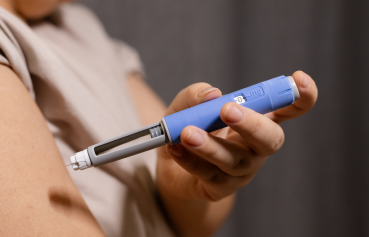
GLP-1 receptor agonists like semaglutide and tirzepatide can lead to significant weight control, sometimes at a higher rate (about ~14.9 % of body weight) than with lifestyle changes alone.
GLP-1 medications include:
Semaglutide is FDA-approved for weight management under the brand name Wegovy (approved June 2021), while Ozempic is FDA-approved for type 2 diabetes management (approved December 2017).
Tirzepatide is FDA-approved for weight management as Zepbound (approved November 2023) and for type 2 diabetes as Mounjaro (approved May 2022). You may get a prescription for these medications based on your individual health needs.
These medications work by slowing gastric emptying and reducing appetite, which naturally leads to reduced caloric intake. With GLP-1s, weight management rates may be faster for some patients, and this can increase the likelihood of loose skin.
Our insights: How we approach loose skin during GLP-1 treatment
Your knownwell care team talks about loose skin before you start weight management medications. We want you to know what to expect so you can make informed decisions about your treatment.
We start most patients on lower GLP-1 doses and increase gradually based on how your body responds. If you're losing more than 2-3 pounds per week consistently, we can slow down by adjusting your dose or the timing between increases. Slower weight management gives your skin more time to contract naturally.
Our registered dietitians work with you to get enough protein at each meal, typically 25-30 grams, which helps maintain muscle mass under your skin. More muscle means firmer-looking skin and less visible sagging. They also help you include foods rich in vitamin C, zinc, and collagen-supporting nutrients that your skin needs to stay elastic.
Your care team can connect you with strength training guidance that builds muscle while you lose fat. Lifting weights 2-3 times per week helps fill out some of the space under your skin as fat decreases, which reduces how much loose skin you notice.
We check in regularly to see how your skin looks and feels as you progress. Some loose skin may still happen, especially if you're losing significant weight, but this personalized approach helps your skin adapt as well as it can throughout your treatment.
The knownwell team helps patients lose weight responsibly
Weight management at knownwell takes a holistic, professional approach. Your knownwell care team includes:
- Board-certified physicians trained in obesity medicine who understand the complex factors affecting weight and health
- Registered dietitians who help you develop eating patterns that support your goals while nourishing your body
- Health coaches who provide ongoing support and accountability
- Care coordinators who help navigate insurance coverage and connect you with resources
This team approach means you get complete support addressing all aspects of sustainable weight management, including concerns about loose skin, muscle preservation, and long-term health outcomes.
We encourage you to view weight management as a long-term investment rather than a race to a number. This approach allows time to develop habits that last, gives your skin a chance to adjust gradually, and helps you build or preserve muscle alongside fat loss.
Our dietitians structure meals that support both muscle building and skin health, while we adjust medication dosing to balance effectiveness with appropriate pacing.
Some patients choose aesthetic treatments after reaching their weight goals. When appropriate, we provide referrals to dermatologists for skin health treatments, experienced surgeons for body contouring consultations, or physical therapists who specialize in post-weight-loss strength building.
We'll support you in making informed decisions about your options if that's something you're considering.
Not sure what's right for you? Speak to us
Every person's weight management path is different when learning how to lose weight without loose skin. Your age, starting weight, health conditions, genetics, lifestyle, and goals all influence the right approach for you.
Our knownwell professionals can help you develop a plan that:
- Supports effective, sustainable weight management
- Minimizes potential loose skin through appropriate pacing
- Preserves or builds muscle mass
- Addresses your individual concerns and priorities
Whether you're just beginning your weight management process or you're already experiencing loose skin after weight management, we're here to provide evidence-based guidance and compassionate support.
Ready to start? Book a visit with knownwell to discuss your personalized weight management plan.
Frequently asked questions
Will loose skin go away on its own after weight loss?
Loose skin may go away on its own after weight loss. However, it depends on several factors.
Younger patients with better collagen production, those who lost weight gradually, and people who maintained good skin health throughout the process often see significant natural improvement. They are most likely to have weight loss without loose skin.
True loose skin may not completely resolve on its own, especially after significant weight management. However, continuing resistance training, maintaining proper nutrition, staying hydrated, and giving your body adequate time often improves the situation more than many people expect.
If you still have subcutaneous fat beneath what appears to be loose skin, continued healthy eating and exercise may reveal that much of what you thought was loose skin was actually remaining body fat.
How much weight loss causes loose skin?
There’s no specific percentage of weight loss that causes loose skin. Many factors influence outcomes beyond the amount lost:
- How quickly you lost it: Gradual loss gives skin more time to adapt.
- Your age: Younger skin typically bounces back better.
- How long you carried the extra weight: Skin stretched for decades has been under tension longer.
- Your genetics: Some people naturally have more elastic skin.
- Your skin health: Sun damage, smoking, and poor nutrition all reduce skin elasticity.
Can you tighten belly skin without surgery?
Yes, you can tighten belly skin without surgery to a degree. Non-surgical options for how to tighten stomach skin include:
- Building abdominal and core muscles to provide internal structure
- Continuing overall strength training to improve body composition
- Maintaining a stable weight and giving skin time to adapt
- Radiofrequency or ultrasound treatments that stimulate collagen production
- Prescription retinoids that support collagen synthesis over time
For significant excess abdominal skin, particularly after losing 100+ pounds, surgical options like abdominoplasty typically provide more dramatic results.
Your knownwell team can assess your individual situation and recommend appropriate next steps, including referrals to specialists when needed.
Does age make loose skin more likely?
Yes, age can make loose skin more likely. Your body produces about 1.0 - 1.5% less collagen each year after early adulthood. This means:
- Younger individuals (teens through 30s) typically see better skin retraction because their collagen and elastin production remains relatively robust.
- Middle-aged adults (40s-50s) may experience moderate loose skin depending on other factors.
- Older adults (60+) often have more difficulty with skin retraction because decades of collagen decline reduce elasticity.
However, age isn't the only factor. Older adults who lose weight gradually, maintain good nutrition, build muscle through resistance training, and have protected their skin from sun damage throughout life often have better outcomes than younger people who lose weight rapidly without these protective factors.
Don't let age discourage you from pursuing health improvements. The health benefits of achieving a healthier weight far outweigh cosmetic concerns about loose skin at any age.
Can weight loss surgery patients avoid excess skin?
Weight loss surgery patients face excess skin challenges because these procedures often result in rapid, significant weight control that increases loose skin.
However, several tips can help minimize excess skin after weight management surgery:
- Follow protein recommendations carefully: Bariatric patients need adequate protein to preserve muscle and support skin health.
- Start strength training early: As you're cleared by your surgeon to exercise, begin resistance training to build muscle.
- Work with your registered dietitian: Ensure you're getting skin-supporting nutrients despite reduced food intake.
- Stay well-hydrated: Drinking enough water is critical for skin health and overall recovery.
Many bariatric surgery patients eventually choose body contouring surgery to address remaining excess skin, particularly in the abdomen and arms. Some insurance plans cover skin removal when it causes medical issues like recurrent infections or mobility limitations.
At knownwell, we work with patients at all stages of their weight management process, including those who've had previous bariatric surgery, to support sustainable health improvements with thoughtful, patient-centered care.
Sources:
Akdeniz, E., Palma, L., Tavares, L., et al. (2015). Dietary water affects human skin hydration and biomechanics. Clinical and Cosmetic Investigative Dermatology, 8, 413–421. doi:10.2147/CCID.S86822. Retrieved from https://pmc.ncbi.nlm.nih.gov/articles/PMC4529263/
Boswell, C.B. (2010). Body contouring following massive weight loss. Missouri Medicine, May-Jun. Retrieved from https://pmc.ncbi.nlm.nih.gov/articles/PMC6188338/
British Heart Foundation. (2024). 13 small changes that add up to a healthy diet. Heart Matters Magazine. Retrieved from https://www.bhf.org.uk/informationsupport/heart-matters-magazine/nutrition/small-changes-add-up
Budden, T., Gaudy-Marqueste, C., Porter, A., et al. (2021). Ultraviolet light-induced collagen degradation inhibits melanoma invasion. Nature Communications, 12, 2742. doi:10.1038/s41467-021-22953-z. Retrieved from https://pmc.ncbi.nlm.nih.gov/articles/PMC8115293/
Effecticacy of slimming cream containing 3.5% water-soluble caffeine and xanthenes for the treatment of cellulite: Clinical study and literature review. (2015). Annals of Dermatology. Retrieved from https://pubmed.ncbi.nlm.nih.gov/26082579/
Gromkowska-Kęka, K.J., et al. (2021). The impact of ultraviolet radiation on skin photoaging. Postepy Dermatologii i Alergologii, 38(2), 154-162. doi:10.5114/ada.2020.102276. Retrieved from https://pmc.ncbi.nlm.nih.gov/articles/PMC8597149/
Holwerda, A.M., & van Loon, L.J.C. (2022). The impact of collagen protein ingestion on musculoskeletal connective tissue remodeling: A narrative review. Nutrition Reviews, 80(6), 1497–1514. doi:10.1093/nutrit/nuab083. Retrieved from https://pmc.ncbi.nlm.nih.gov/articles/PMC9086765/
Kang, S., et al. (2007). Improvement of naturally aged skin with vitamin A (retinol). JAMA Dermatology, 143(4), 606-612. Retrieved from https://jamanetwork.com/journals/jamadermatology/fullarticle/412795
Lin, P.-H., Sermersheim, M., Li, H., et al. (2017). Zinc in wound healing modulation. Nutrients, 10(1), 16. doi:10.3390/nu10010016. Retrieved from https://pmc.ncbi.nlm.nih.gov/articles/PMC5793244/
Novo Nordisk Medical. (2024). Introduction to STEP program: Phase 3 chronic weight management studies. Scientific Exchange. Retrieved from https://www.novonordiskmedical.com/content/dam/medical/scientific-exchange/ta/obesity/pharmacotherapies/resource-documents/intro-to-step-program-phase-3-chronic-weight-mgmt-studies.pdf
Nuveen, E.J. (2022). Classification of massive weight loss skin excess and laxity: Stokes scale. American Academy of Cosmetic Surgery CME. Retrieved from https://cme.cosmeticsurgery.org/content/classification-massive-weight-loss-skin-excess-and-laxity-stokes-scale
OAE Publishing. (2021). Skin collagen through the life stages: Importance for skin health and beauty. Open Access Emergency Medicine, 2347-9264, 2020.153. Retrieved from https://www.oaepublish.com/articles/2347-9264.2020.153
Palma, L., Tavares, L., Bujan, J., et al. (2015). Dietary water affects human skin hydration and biomechanics. Clinical, Cosmetic and Investigative Dermatology, 8, 413-421. doi:10.2147/CCID.S86822. Retrieved from https://pmc.ncbi.nlm.nih.gov/articles/PMC4529263/
Pullar, J.M., Carr, A.C., & Vissers, M.C.M. (2017). The roles of vitamin C in skin health. Nutrients, 9(8), 866. doi:10.3390/nu9080866. Retrieved from https://pmc.ncbi.nlm.nih.gov/articles/PMC5579659/
Shin, J.-W., Kwon, S.-H., Choi, J.-Y., et al. (2019). Molecular mechanisms of dermal aging and antiaging approaches. International Journal of Molecular Sciences, 20(9), 2126. doi:10.3390/ijms20092126. Retrieved from https://pmc.ncbi.nlm.nih.gov/articles/PMC6540032/
Smith-Ryan, A.E., et al. (2022). The impact of collagen protein ingestion on musculoskeletal connective tissue synthesis and recovery from physical activity. Nutrients, 13(4), 1196. doi:10.3390/nu13041196. Retrieved from https://pmc.ncbi.nlm.nih.gov/articles/PMC9086765/
Soebaryo, O., et al. (2019). Retinoids: Active molecules influencing skin structure formation in cosmetically and pharmacologically active preparations. Dermatology Practical & Conceptual, 9(3), 196-203. doi:10.5826/dpc.0903a08. Retrieved from https://pmc.ncbi.nlm.nih.gov/articles/PMC6791161/
Telang, P.S. (2013). Vitamin C in dermatology. Indian Dermatology Online Journal, 4(2), 143-146. doi:10.4103/2229-5178.110593. Retrieved from https://pmc.ncbi.nlm.nih.gov/articles/PMC3673383/
Telang, P.S. (2017). The roles of vitamin C in skin health. Nutrients, 9(8), 866. doi:10.3390/nu9080866. Retrieved from https://pmc.ncbi.nlm.nih.gov/articles/PMC5579659/
Watson, R., et al. (2021). Ultraviolet light-induced collagen degradation inhibits skin regeneration in aged human skin. npj Aging and Mechanisms of Disease, 7, 10. doi:10.1038/s41514-021-00062-x. Retrieved from https://pmc.ncbi.nlm.nih.gov/articles/PMC8115293/
Weijs, W.A., et al. (2016). Exploration of the protein requirement during weight loss in obese older adults. Clinical Nutrition, 35(2), 351-358. Retrieved from https://www.sciencedirect.com/science/article/abs/pii/S0261561415000746
