







Get in touch

Email: info@knownwell.health
Phone: 339-793-8998

close

GLP-1 Side Effects: What to Expect and How to Manage Them

·
Mar 17, 2026
Doctor talking to patient about GLP-1 side effects

GLP-1 Side Effects: What to Expect and How to Manage Them

·
Mar 17, 2026
Doctor talking to patient about GLP-1 side effects

GLP-1 side effects can be part of starting or adjusting treatment, and for many people, they improve with time and the right support. 

Understanding what’s common, what’s manageable, and when to reach out can help you feel more informed, supported, and confident as you move forward.

Quick answer: What are the side effects of GLP-1?

The most common GLP-1 side effects are listed below. Many people taking GLP-1s will experience these, especially during the first few weeks or after dose increases.

They are usually temporary and improve as the body adapts.

  • Nausea or vomiting. Common early on or after a dose change. Approximately 43.9% of people notice this at first.
  • Digestive changes. These include diarrhea (affecting roughly 29.7% of people), constipation (roughly 24.2%), acid reflux, or stomach discomfort. They happen as digestion slows. 
  • Appetite reduction. This is expected with GLP-1 medications, but it can feel stronger when first starting.
  • Fatigue and headaches. Often seen in the first few weeks. Linked to changes in brain signaling, hydration, food intake, or blood sugar as your body adjusts.
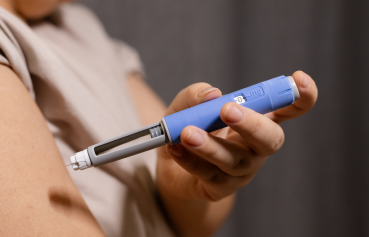
  • Injection site reactions. Mild redness, itching, or swelling where the shot is given.
  • Hair shedding. Can occur during rapid weight or nutrition changes, especially if protein intake is low.
  • Mood changes. This can include low mood or worsening depression in some patients. Research is mixed, and some studies suggest potential mental health benefits.  
  • Changes in libido. Some people also notice decreased interest in sex.

If side effects feel disruptive or don’t improve, reach out to your care team. They can adjust your plan and help you feel more comfortable.

The 7 most common GLP-1 side effects (and how to manage each one)

Most people experience mild side effects when starting GLP-1 medications, especially early on. Here are the most common ones and simple ways to manage each.

1. Nausea: The most reported side effect

Nausea is the most commonly reported side effect of GLP-1 medications. Studies report it affects anywhere from 43.9% of people, with higher rates seen at the doses used for weight management.

It is usually most noticeable during the first month of treatment or following dose increases.

Foods that are greasy or high in fat can worsen symptoms by remaining in the stomach longer due to slowed digestion.

Eating smaller, more frequent meals is recommended to help manage nausea and other gastrointestinal symptoms.

These symptoms reflect how GLP-1 medications affect stomach emptying and appetite signaling. While uncomfortable, nausea often improves as the body adapts.

What can help:

  • Eating smaller, more frequent meals to avoid overfilling the stomach
  • Choosing bland, lower-fat foods that are easier to digest
  • Minimizing alcohol, particularly early in treatment or during dose increases
  • Staying well hydrated by taking small, frequent sips throughout the day
  • Using ginger tea or peppermint, which some people find soothing
  • Taking anti-nausea medication prescribed by your care team in more severe or persistent cases

2. Diarrhea and digestive upset

Diarrhea and digestive upset are common when starting GLP-1 medications as your gut adjusts. Individual episodes of diarrhea typically only last around three days, and usually improve as your body adapts to treatment.

Large or heavy meals can be harder to tolerate when experiencing stomach side effects. Eating smaller portions can help.

What can help:

  • Staying well hydrated, especially if stools are loose or more frequent
  • Being mindful of high-fat or greasy foods, which can be harder to tolerate while digestion is adjusting
  • Introducing fiber gradually, allowing the gut time to adapt rather than increasing fiber all at once

3. Constipation

GLP-1 medications can slow digestion, which leads to fewer or harder bowel movements. Unlike nausea or diarrhea, constipation can last longer for some people and needs extra support to improve.

Because appetite often decreases on GLP-1 therapy, it’s common for fluid and fiber intake, or overall food volume to drop as well. These changes can contribute to constipation, particularly if you’re drinking less and not exercising at the same time.

What can help:

  • Drinking plenty of water throughout the day, with a general goal of about 64 ounces unless your care team advises otherwise
  • Eating fiber-rich foods like avocados, quinoa, edamame, and leafy greens, and adding fiber slowly to avoid bloating
  • Staying physically active, since regular movement helps keep digestion moving

4. Reduced appetite and feeling too full

Reduced appetite is an expected effect of GLP-1 medications because they help you feel full sooner and slow digestion. For some people, this can feel uncomfortable at first, especially if fullness comes on quickly or lasts longer after meals.

When appetite is very low, it can be harder to get enough nutrition, especially protein, which helps protect muscle strength and overall health. During this time, the goal is not to eat more, but to eat with intention, even if hunger signals are quieter than usual.

What can help:

  • Eating protein at each meal to support muscle health and strength. Most people need about 80-120 grams or 1-1.5g of protein per kg of body weight per day. Your care team can calculate your exact amount based on your weight.
  • Choosing smaller portions and paying attention to fullness to avoid discomfort.
  • Eating on a regular schedule, even if you don’t feel hungry, to keep energy and nutrition steady.
  • Working with a registered dietitian who can help adjust food choices and meal timing as appetite changes.

5. Fatigue and Low Energy

Fatigue or low energy can happen when starting GLP-1 medications, especially in the first few weeks or after a dose increase

Low energy can also be linked to dehydration. GLP-1 medications can affect your appetite and make you feel sick to your stomach. This can make you feel less thirsty, so you might drink less than your body needs, which can affect your energy levels

For most people, fatigue eases once nutrition, hydration, and sleep stabilize.

What can help:

  • Eating enough overall, by having several smaller meals throughout the day.
  • Drinking enough fluids, with a general goal of about 64 ounces of water per day unless advised otherwise.
  • Including complex carbohydrates to help keep energy and blood sugar steady.
  • Getting enough sleep, aiming for 7-9 hours each night, to support recovery and overall health.

6. Headaches

Headaches often happen when starting GLP-1 treatment, especially in the early weeks or after a dose increase. 

Dehydration is a major cause. Because GLP-1 can make you feel nauseous and less hungry, you might not drink enough water. Drinking water regularly can help reduce headaches. 

What can help:

  • Drink water throughout the day, even though GLP-1 medications make you feel less thirsty. Your body still needs water. 
  • Eat regular meals and don't skip them. Long periods without eating can trigger headaches. 
  • Slowly reduce coffee or caffeinated drinks. Don't quit suddenly, as this can actually cause more headaches. 

7. Injection site reactions

Injection site reactions can happen with GLP-1 medications. They include redness, mild swelling, itching, or discomfort where the shot is given. 

These reactions are uncommon, occurring in roughly 1-2% of people depending on the specific medication, and are usually mild.

Most of the time, these symptoms go away on their own without stopping treatment.

What can help:

  • Rotate injection sites weekly to avoid repeated irritation in the same area. Use a different body part (stomach, thigh, arm) each week.
  • Use a proper injection technique, as taught by your care team. 
  • Allow the medication to reach room temperature before injecting (about 30 minutes). This can reduce stinging and discomfort.
  • Apply ice for several minutes after the injection, if needed. This can help reduce redness and discomfort.
  • Topical steroids and/or an oral antihistamine can be prescribed to reduce inflammation and itching in recurrent or persistent reactions. You can spray OTC Flonase or other nasal steroid on the injection site before or after injection to minimize this reaction. 

Less common but serious side effects to know about

While most GLP-1 side effects are mild and temporary, there are a few less common but more serious side effects to be aware of, so you know when to seek medical care.

Pancreatitis (rare but serious)

Pancreatitis is a rare but serious potential side effect of GLP-1 medications. Symptoms can include severe upper abdominal pain that radiates to the back, along with nausea and vomiting

Pancreatitis typically requires hospitalization and intravenous medications. Prompt evaluation of severe or persistent abdominal pain is critical. If pancreatitis is suspected, stop the medication and seek emergency medical care.

Gallbladder problems

GLP-1 medications can increase the risk of gallbladder problems, especially when weight changes happen quickly. Women can be at higher risk.

Symptoms can include strong pain in the upper right side of the belly, along with nausea or vomiting. Share any new or severe abdominal pain with your care team right away.

Low blood sugar (hypoglycemia)

The risk of low blood sugar is higher when GLP-1 medications are used alongside insulin or sulfonylureas. Tell your provider about all medications you are taking before starting GLP-1 therapy.

Symptoms of low blood sugar can include shakiness, sweating, confusion, and a rapid heartbeat. Closely monitoring symptoms and medication interactions helps reduce this risk.

Thyroid concerns

GLP-1 medications carry a boxed warning for thyroid C-cell tumors, based on findings from animal studies. These effects have not been confirmed in humans, but caution is advised.

Tell your provider if you or your family have a history of medullary thyroid cancer. This is important when determining whether GLP-1 therapy is appropriate for you.

Acute kidney injury

In rare cases, acute kidney injury can happen, most often due to severe dehydration from ongoing vomiting or diarrhea. If care is delayed, hospitalization and intravenous fluids will be needed.

Drinking enough fluids and getting medical help early if you can’t keep liquids down can help lower this risk.

Low blood pressure (orthostatic hypotension)

As health and body composition change on GLP-1 therapy, blood pressure can decrease. People already taking blood pressure medications need dosage adjustments during treatment.

Low blood pressure can cause light-headedness or dizziness, or in more severe cases, fainting or loss of consciousness. Promptly report these symptoms so your care team can make appropriate medication or dosing changes.

Long-term side effects: What happens with extended use?

Muscle loss can occur during any weight loss plan. It can happen over time if protein intake and strength-based movement are not supported. 

Keeping muscle is important for strength, metabolism, and overall health. This is why nutrition and activity remain important during treatment.

Weight often returns if GLP-1 medication is stopped. Without ongoing medical and lifestyle support you may regain weight more quickly. This reflects the long-term, biological nature of obesity, not a lack of effort.

Your care team should continue monitoring protein intake, vitamin levels, and overall nutrition. They will adjust your plan as needed to help maintain energy, strength, and metabolic health.

When to call your care team

Get emergency medical care if you have severe abdominal pain, ongoing vomiting that makes it hard to keep fluids down, or signs of a serious allergic reaction.

If gastrointestinal symptoms make it hard to eat or drink enough, or persist despite dietary and lifestyle changes, contact your care team as soon as possible. 

Reaching out early helps your care team adjust your plan, offer support, and prevent symptoms from getting worse.

Practical tips to minimize side effects from day one

At knownwell, we help you prepare from the start with practical tips that can make the first weeks on GLP-1 medication feel more manageable.

Before your first dose

Preparation can make the first few weeks feel easier. Stock your kitchen with bland, easy-to-digest foods that are gentle on the stomach. 

Items like ginger tea and electrolyte drinks may help. Planning lighter meals after each injection for the first few days can also help, since side effects are more common then.

During the first month

During the first few weeks, eating habits usually need to change as appetite and digestion adjust. Eating smaller meals (every 3-4 hours) can help reduce nausea and discomfort. 

Some people find that high-fat, spicy, or very sweet foods are harder to tolerate early on. Keeping a simple side-effect journal can help you spot patterns and make changes with your care team.

As you adjust

As your body adjusts, focusing on protein at each meal helps protect muscle and strength. Staying physically active, especially with regular movement that supports muscle health, can also improve energy and digestion. 

Stay in close contact with your care team to address side effects early and keep your plan supportive and sustainable over time.

Feeling overwhelmed? Don't navigate GLP-1 side effects alone

GLP-1 side effects are often manageable with the right medical support, but medication alone is not the whole solution. Everyone’s body responds differently, especially in the early weeks or when doses change.

If side effects feel overwhelming, it doesn’t mean you’re doing anything wrong. Finding what works best often takes guidance, small adjustments, and ongoing support from your care team.

What knownwell offers

  • An expert care team: Doctors and registered dietitians who support medication use, nutrition, and long-term weight management.
  • Proactive side effect support: Ongoing monitoring and dose optimization to help manage symptoms early and effectively.
  • Judgment-free care: A medical approach that treats obesity as a chronic condition, not a personal failing.

Ready to get started?

  • Virtual visits available from home in all 50 states.
  • In-person clinics in the Boston area, Chicago, the Dallas–Fort Worth area, and Atlanta.
  • Insurance accepted, with many major plans offering coverage.

Need help managing GLP-1 side effects? Book a visit with knownwell so we can help you navigate treatment with confidence and focus on feeling stronger and more supported over time.

Frequently Asked Questions About GLP-1 Side Effects

Do GLP-1 side effects go away?

Yes, GLP-1 side effects often go away or improve within a few weeks as your body adjusts, especially after dose increases.

What are the worst side effects of weight loss injections?

The worst side effects of weight loss injections are serious issues like pancreatitis or gallbladder problems. These are rare, but they need immediate medical care.

How long do semaglutide side effects last?

Semaglutide side effects usually start in the first few weeks and get better over time. Most people have very few side effects, but if you do have nausea, vomiting, diarrhea, constipation, or any other symptom, talk to your care team to find ways to manage it.

Can you prevent GLP-1 nausea?

You can often prevent or reduce GLP-1 nausea by eating smaller meals, staying hydrated, and not skipping meals.

What foods should you avoid on GLP-1 medications?

There are no foods you must avoid on GLP-1 medications, but high-fat, greasy, or very sweet foods can be harder to tolerate early on.

Are GLP-1 side effects worse at higher doses?

GLP-1 side effects can be worse at higher doses, especially during dose increases, but many people adjust over time.

Why do I feel constipated on GLP medication?

You can feel constipated on GLP medication because digestion slows, and you could be eating or drinking less.

Can I drink alcohol on GLP medications?

You can drink alcohol on GLP medications, but it can worsen nausea or dizziness, especially early in treatment.

How often do I need to be monitored while on GLP medications?

You usually need regular monitoring while on GLP medications, during the dose titration period until your dose is stabilized. Your care team can guide you on this. 

Will vitamins make my side effects worse?

Vitamins usually do not make side effects worse, but taking them with food could help reduce stomach upset.

What vitamins should I take while on GLP medications?

There are no standard vitamins everyone should take with GLP medications. However, because people naturally eat less, we often recommend a general multivitamin to help make sure all your vitamin needs are met. Your care team will recommend vitamin D, vitamin B12, or iron if levels are low.

Why do I have increased hair loss or hair shedding since starting GLP medication? 

Increased hair loss or shedding on GLP medication can happen due to rapid metabolic or nutritional changes. This is often temporary.

Is it normal to have decreased libido on GLP medications?

It can be normal to have decreased libido on GLP medications, as hormonal or energy changes can affect sex drive.

Is it normal to feel more depressed while on GLP medications?

Research on mood effects is mixed. Some people notice changes in mood, including low mood or worsening depression, while some studies suggest potential mental health benefits.

Source list

Aldawsari, M., Almadani, F. A., Almuhammadi, N., et al. (2023). The efficacy of GLP-1 analogues on appetite parameters, gastric emptying, food preference and taste among adults with obesity: Systematic review of randomized controlled trials. Diabetes, Metabolic Syndrome and Obesity: Targets and Therapy, 16, 575-595. doi:10.2147/DMSO.S387116. Retrieved from https://pmc.ncbi.nlm.nih.gov/articles/PMC9987242/

Almansour, H. A., Thaibah, H. A., Alfarhan, M., et al. (2025). Real-world safety concerns of tirzepatide: A retrospective analysis of FAERS data (2022-2025). Healthcare (Basel), 13(18), 2259. doi:10.3390/healthcare13182259. Retrieved from https://pmc.ncbi.nlm.nih.gov/articles/PMC12469573/

Ard, J., Fitch, A., Fruh, S., et al. (2021). Weight Loss and Maintenance Related to the Mechanism of Action of Glucagon-Like Peptide 1 Receptor Agonists. Advances in Therapy, 38(6), 2821–2839. doi:10.1007/s12325-021-01710-0. Retrieved from https://pmc.ncbi.nlm.nih.gov/articles/PMC8189979/

Ayoub, M., Chela, H., Amin, N., et al. (2025). Pancreatitis risk associated with GLP-1 receptor agonists, considered as a single class, in a comorbidity-free subgroup of type 2 diabetes patients in the United States: A propensity score-matched analysis. Journal of Clinical Medicine, 14(3), 944. doi:10.3390/jcm14030944. Retrieved from https://pmc.ncbi.nlm.nih.gov/articles/PMC11818918/

Brodovicz, K. G., Jayabose, D., Kwan, A. Y., et al. (2024). Risk of Anaphylaxis Among New Users of GLP-1 Receptor Agonists: A Cohort Study. Diabetes Care, 47(4), 712. doi:10.2337/dc23-2007. Retrieved from https://diabetesjournals.org/care/article/47/4/712/154237/Risk-of-Anaphylaxis-Among-New-Users-of-GLP-1

Camilleri, M., Lupianez-Merly, C. (2023). Effects of GLP-1 and other gut hormone receptors on the gastrointestinal tract and implications in clinical practice. American Journal of Gastroenterology, 119(6), 1028-1037. doi:10.14309/ajg.0000000000002519. Retrieved from https://pmc.ncbi.nlm.nih.gov/articles/PMC11026296/

Chen, H., Liu, S., Gao, S., et al. (2025). Pharmacovigilance analysis of neurological adverse events associated with GLP-1 receptor agonists based on the FDA Adverse Event Reporting System. Scientific Reports, 15, 18063. doi:10.1038/s41598-025-01206-9. Retrieved from https://www.nature.com/articles/s41598-025-01206-9

Chiang, C. H., Yu, C. C., Xanthavanij, N., et al. (2025). Impact of glucagon-like peptide-1 receptor agonists on cutaneous events: A systematic review and meta-analysis. JAAD Reviews, 5, 34-36. doi:10.1016/j.jdrv.2025.04.009. Retrieved from https://www.sciencedirect.com/science/article/pii/S2950198925000546

Christensen, S., Robinson, K., Thomas, S., et al. (2024). Dietary intake by patients taking GLP-1 and dual GIP/GLP-1 receptor agonists: A narrative review and discussion of research needs. Obesity Pillars, 11, 100121. doi:10.1016/j.obpill.2024.100121. Retrieved from https://pmc.ncbi.nlm.nih.gov/articles/PMC11340591/

Codella, R., Senesi, P., Luzi, L. (2025). GLP-1 agonists and exercise: The future of lifestyle prioritization. Frontiers in Clinical Diabetes and Healthcare, 6, 1720794. doi:10.3389/fcdhc.2025.1720794. Retrieved from https://pmc.ncbi.nlm.nih.gov/articles/PMC12683586/

Collins, L., Costello, R. (2025). Glucagon-like peptide-1 receptor agonists. In StatPearls InternetInternet. Treasure Island, FL: StatPearls Publishing. Retrieved from [https://www.ncbi.nlm.nih.gov/books/NBK551568/

Dobbie, L. J., Parretti, H. M., Fallows, E., et al. (2024). Ten top tips for the management of GLP-1 receptor agonists in adults within primary care. Obesity Facts, 18(6), 535-540. doi:10.1159/000546472. Retrieved from https://pmc.ncbi.nlm.nih.gov/articles/PMC12194299/

Drucker, D. J. (2021). GLP-1 physiology informs the pharmacotherapy of obesity. Molecular Metabolism, 57, 101351. doi:10.1016/j.molmet.2021.101351. Retrieved from https://pmc.ncbi.nlm.nih.gov/articles/PMC8859548/

Espinosa De Ycaza, A. E., Brito, J. P., McCoy, R. G., et al. (2024). Glucagon-like peptide-1 receptor agonists and thyroid cancer: A narrative review. Thyroid, 34(4), 403-418. doi:10.1089/thy.2023.0530. Retrieved from https://pmc.ncbi.nlm.nih.gov/articles/PMC10998705/

Farzam, K., Patel, P. (2024). Tirzepatide. In StatPearls [Internet]. StatPearls Publishing. Retrieved from https://www.ncbi.nlm.nih.gov/books/NBK585056/

Feng, C., Liu, Y., Lv, R., et al. (2025). Investigating the association between GLP-1 receptor agonists and mood disorders: A study integrating real-world data and Mendelian randomization. European Psychiatry, 69(1), e6. doi:10.1192/j.eurpsy.2025.10125. Retrieved from https://pmc.ncbi.nlm.nih.gov/articles/PMC12816927/

Ferreira, E. T., Garcia, L. M. P., Londero, R. G. (2025). Headache and GLP-1 receptor agonists: when medications are therapeutic and when they contribute to the symptom. Arquivos de Neuro-Psiquiatria, 83(10), s00451812303. doi:10.1055/s-0045-1812303. Retrieved from https://pmc.ncbi.nlm.nih.gov/articles/PMC12558699/

Filippatos, T. D., Panagiotopoulou, T. V., Elisaf, M. S. (2015). Adverse effects of GLP-1 receptor agonists. Reviews in Diabetic Studies, 11(3-4), 202-230. doi:10.1900/RDS.2014.11.202. Retrieved from https://pmc.ncbi.nlm.nih.gov/articles/PMC5397288/

Fitch, A., Gigliotti, L., Bays, H. E. (2025). Application of nutrition interventions with GLP-1 based therapies: A narrative review of the challenges and solutions. Obesity Pillars, 16, 100205. doi:10.1016/j.obpill.2025.100205. Retrieved from https://pmc.ncbi.nlm.nih.gov/articles/PMC12475867/

Gandhi, A., Bhatt, N., Parhizgar, A. (2025). Comparative renal safety of tirzepatide and semaglutide: An FDA adverse event reporting system (FAERS) - Disproportionality study. Journal of Clinical Medicine, 14(21), 7678. doi:10.3390/jcm14217678. Retrieved from https://pmc.ncbi.nlm.nih.gov/articles/PMC12610529/

Gelfand, S. T., Tveit, M. C., Simon, J. A. (2025). Clinical review of how glucagon-like peptide-1 agonist obesity medications decrease sexual desire, and a biopsychosocial model for why we don't 'see' it. Obes Pillars, 17, 100233. doi:10.1016/j.obpill.2025.100233. Retrieved from https://pmc.ncbi.nlm.nih.gov/articles/PMC12704374/

Gentinetta, S., Sottotetti, F., Manuelli, M., et al. (2024). Dietary Recommendations for the Management of Gastrointestinal Symptoms in Patients Treated with GLP-1 Receptor Agonist. Diabetes, Metabolic Syndrome and Obesity, 17, 4817-4824. doi:10.2147/DMSO.S494919. Retrieved from https://pmc.ncbi.nlm.nih.gov/articles/PMC11668918/

Gorgojo-Martínez, J. J., Mezquita-Raya, P., Carretero-Gómez, J., et al. (2022). Clinical recommendations to manage gastrointestinal adverse events in patients treated with GLP-1 receptor agonists: A multidisciplinary expert consensus. Journal of Clinical Medicine, 12(1), 145. doi:10.3390/jcm12010145. Retrieved from https://pmc.ncbi.nlm.nih.gov/articles/PMC9821052/

Hagelqvist, P. G., Vilsbøll, T., Rode Schwarz, C. (2026). Mechanism and context: Making sense of adverse events with GLP-1-based therapy. JCEM Case Reports, 4(1), luaf232. doi:10.1210/jcemcr/luaf232. Retrieved from https://academic.oup.com/jcemcr/article/4/1/luaf232/8363505

Hearn, E. B., Sherman, J. J. (2021). Injection-site nodules associated with once-weekly subcutaneous administration of semaglutide. Diabetes Spectrum, 34(1), 73-75. doi:10.2337/ds20-0033. Retrieved from https://pmc.ncbi.nlm.nih.gov/articles/PMC7887535/

Herron, E., Cencetti, J., Matis, J. (2024). Reducing or discontinuing insulin or sulfonylurea when initiating a glucagon-like peptide-1 agonist. Federal Practitioner, 41(2), 52-56. doi:10.12788/fp.0452. Retrieved from https://pmc.ncbi.nlm.nih.gov/articles/PMC11147431/

Horowitz, M., Aroda, V. R., Han, J., et al. (2017). Upper and/or lower gastrointestinal adverse events with glucagon-like peptide-1 receptor agonists: Incidence and consequences. Diabetes, Obesity and Metabolism, 19(5), 672-681. doi:10.1111/dom.12872. Retrieved from https://pmc.ncbi.nlm.nih.gov/articles/PMC5412849/

Huang, X., Wu, M., Huang, B., et al. (2025). Gastrointestinal adverse events associated with GLP-1 receptor agonists in metabolic dysfunction-associated steatotic liver disease (MASLD): A systematic review and meta-analysis. Frontiers in Medicine, 12, 1509947. doi:10.3389/fmed.2025.1509947. Retrieved from https://www.frontiersin.org/journals/medicine/articles/10.3389/fmed.2025.1509947/full

Johnson, B., Milstead, M., Thomas, O., et al. (2025). Investigating nutrient intake during use of glucagon-like peptide-1 receptor agonist: a cross-sectional study. Frontiers in Nutrition, 12, 1566498. doi:10.3389/fnut.2025.1566498. Retrieved from https://pmc.ncbi.nlm.nih.gov/articles/PMC12062175/

Johnson, B. V. B., Milstead, M., Kreider, R., et al. (2025). Dietary supplement considerations during glucagon-like peptide-1 receptor agonist treatment: A narrative review. Obesity Pillars, 16, 100209. doi:10.1016/j.obpill.2025.100209. Retrieved from https://pmc.ncbi.nlm.nih.gov/articles/PMC12685510/

Kerlikowsky, F., Krämer, K., Eggersdorfer, M., et al. (2025). GLP-1 receptor agonists - Good for body weight, bad for micronutrient status? Current Developments in Nutrition, 9(11), 107587. doi:10.1016/j.cdnut.2025.107587. Retrieved from https://pmc.ncbi.nlm.nih.gov/articles/PMC12664951/

Lu, W., Wang, S., Tang, H., et al. (2025). Neuropsychiatric adverse events associated with glucagon-like peptide-1 receptor agonists: A pharmacovigilance analysis of the FDA Adverse Event Reporting System database. European Psychiatry, 68(1), e20. doi:10.1192/j.eurpsy.2024.1803. Retrieved from https://pmc.ncbi.nlm.nih.gov/articles/PMC11823005/

Mando, N., Thomson, E., Fowler, M., et al. (2024). Acute pancreatitis caused by tirzepatide. Cureus, 16(12), e76007. doi:10.7759/cureus.76007. Retrieved from https://pmc.ncbi.nlm.nih.gov/articles/PMC11743417/

Mathew, P., Thoppil, D. (2022). Hypoglycemia. In StatPearls [Internet]. StatPearls Publishing. Retrieved from https://www.ncbi.nlm.nih.gov/books/NBK534841/

Mizumoto, J. (2023). Tirzepatide-induced injection site reaction. Cureus, 15(9), e45181. doi:10.7759/cureus.45181. Retrieved from https://pmc.ncbi.nlm.nih.gov/articles/PMC10575762/

Moiz, A., Zolotarova, T., Filion, K. B., et al. (2025). GLP-1 receptor agonists and blood pressure: A state-of-the-art review of mechanisms, evidence, and clinical implications. American Journal of Hypertension, advance article. doi:10.1093/ajh/hpaf205. Retrieved from https://academic.oup.com/ajh/advance-article/doi/10.1093/ajh/hpaf205/8300155

Mozaffarian, D., Agarwal, M., Aggarwal, M., et al. (2025). Nutritional priorities to support GLP-1 therapy for obesity: A joint advisory from the American College of Lifestyle Medicine, the American Society for Nutrition, the Obesity Medicine Association, and the Obesity Society. American Journal of Lifestyle Medicine, 15598276251344827. doi:10.1177/15598276251344827. Retrieved from https://pmc.ncbi.nlm.nih.gov/articles/PMC12125019/

Noronha, J. C., Van Gaal, L. F., Neeland, I. J., et al. (2025). Optimizing GLP-1 therapies for obesity and diabetes management. Obesity Pillars, 16, 100222. doi:10.1016/j.obpill.2025.100222. Retrieved from https://pmc.ncbi.nlm.nih.gov/articles/PMC12661421/

Persson, C., Eaton, A., Mayrovitz, H. N. (2025). A closer look at the dermatological profile of GLP-1 agonists. Diseases, 13(5), 127. doi:10.3390/diseases13050127. Retrieved from https://pmc.ncbi.nlm.nih.gov/articles/PMC12110338/

Quddos, F., Hubshman, Z., Tegge, A., et al. (2023). Semaglutide and Tirzepatide reduce alcohol consumption in individuals with obesity. Scientific Reports, 13, 20998. doi:10.1038/s41598-023-48267-2. Retrieved from [https://pmc.ncbi.nlm.nih.gov/articles/PMC10684505/

Ramírez-Mejía, M. M., Ponciano-Rodriguez, G., Eslam, M., et al. (2025). GLP-1 receptor agonists and gallbladder disease risk: Insights into molecular mechanisms and clinical implications. Therapeutic Advances in Endocrinology and Metabolism, 16, 20420188251406456. doi:10.1177/20420188251406456. Retrieved from https://pmc.ncbi.nlm.nih.gov/articles/PMC12739101/

Ringer, M. (2023–2024). Orthostatic hypotension. In StatPearls [Internet]. StatPearls Publishing. Retrieved from https://www.ncbi.nlm.nih.gov/books/NBK448192/

Shu, Y., He, X., Wu, P., et al. (2022). Gastrointestinal adverse events associated with semaglutide: A pharmacovigilance study based on FDA adverse event reporting system. Frontiers in Public Health, 10, 996179. doi:10.3389/fpubh.2022.996179. Retrieved from https://pmc.ncbi.nlm.nih.gov/articles/PMC9631444/

Singh, P., Yoon, S. S., Kuo, B. (2016). Nausea: a review of pathophysiology and therapeutics. Therapeutic Advances in Gastroenterology, 9(1), 98-112. doi:10.1177/1756283X15618131. Retrieved from https://pmc.ncbi.nlm.nih.gov/articles/PMC4699282/

Tao, C., Zhang, Y., Wan, T., et al. (2025). Glucagon-like peptide-1 receptor agonist-induced cholecystitis and cholelithiasis: A real-world pharmacovigilance analysis using the FAERS database. Frontiers in Pharmacology, 16, 1557691. doi:10.3389/fphar.2025.1557691. Retrieved from https://pmc.ncbi.nlm.nih.gov/articles/PMC12279493/

Tzang, C.-C., Wu, P.-H., Luo, C.-A., et al. (2025). Metabolic rebound after GLP-1 receptor agonist discontinuation: A systematic review and meta-analysis. eClinicalMedicine, 90, 103680. doi:10.1016/j.eclinm.2025.103680. Retrieved from https://pmc.ncbi.nlm.nih.gov/articles/PMC12702299/

Watson, N. F., Badr, M. S., Belenky, G., et al. (2015). Recommended amount of sleep for a healthy adult: A joint consensus statement of the American Academy of Sleep Medicine and Sleep Research Society. Sleep Health, 1(4), 233-243. doi:10.1016/j.sleh.2015.10.004. Retrieved from https://www.sleephealthjournal.org/article/S2352-7218(15)00015-7/fulltext

Wharton, S., Calanna, S., Davies, M., et al. (2022). Gastrointestinal tolerability of once-weekly semaglutide 2.4 mg in adults with overweight or obesity, and the relationship between gastrointestinal adverse events and weight loss. Diabetes, Obesity and Metabolism, 24(1), 94-105. doi:10.1111/dom.14551. Retrieved from https://pmc.ncbi.nlm.nih.gov/articles/PMC9293236/

Wharton, S., Davies, M., Dicker, D., et al. (2022). Managing the gastrointestinal side effects of GLP-1 receptor agonists in obesity: Recommendations for clinical practice. Postgraduate Medicine, 134(1), 14–19. doi:10.1080/00325481.2021.2002616. Retrieved from https://www.tandfonline.com/doi/10.1080/00325481.2021.2002616

Xie, X., Yang, S., Deng, S., et al. (2025). Comparative gastrointestinal adverse effects of GLP-1 receptor agonists and multi-target analogs in type 2 diabetes: A Bayesian network meta-analysis. Frontiers in Pharmacology, 16, 1613610. doi:10.3389/fphar.2025.1613610. Retrieved from https://www.frontiersin.org/journals/pharmacology/articles/10.3389/fphar.2025.1613610/full

Zheng, X., Wang, H., Liu, P., et al. (2025). Investigating the association between GLP-1 receptor agonists and mood disorders: A study integrating real-world data and Mendelian randomization. European Psychiatry, 69(1), e6. doi:10.1192/j.eurpsy.2025.10125. Retrieved from https://pmc.ncbi.nlm.nih.gov/articles/PMC12816927/

Ready for healthcare that truly knows you?

At knownwell, we offer:

  • Access to GLP-1s when clinically appropriate
  • No membership fees
  • Covered by insurance
  • In-person and virtual visits available
BOOK YOUR FIRST VISIT

GLP-1 side effects can be part of starting or adjusting treatment, and for many people, they improve with time and the right support. 

Understanding what’s common, what’s manageable, and when to reach out can help you feel more informed, supported, and confident as you move forward.

Quick answer: What are the side effects of GLP-1?

The most common GLP-1 side effects are listed below. Many people taking GLP-1s will experience these, especially during the first few weeks or after dose increases.

They are usually temporary and improve as the body adapts.

  • Nausea or vomiting. Common early on or after a dose change. Approximately 43.9% of people notice this at first.
  • Digestive changes. These include diarrhea (affecting roughly 29.7% of people), constipation (roughly 24.2%), acid reflux, or stomach discomfort. They happen as digestion slows. 
  • Appetite reduction. This is expected with GLP-1 medications, but it can feel stronger when first starting.
  • Fatigue and headaches. Often seen in the first few weeks. Linked to changes in brain signaling, hydration, food intake, or blood sugar as your body adjusts.
  • Injection site reactions. Mild redness, itching, or swelling where the shot is given.
  • Hair shedding. Can occur during rapid weight or nutrition changes, especially if protein intake is low.
  • Mood changes. This can include low mood or worsening depression in some patients. Research is mixed, and some studies suggest potential mental health benefits.  
  • Changes in libido. Some people also notice decreased interest in sex.

If side effects feel disruptive or don’t improve, reach out to your care team. They can adjust your plan and help you feel more comfortable.

The 7 most common GLP-1 side effects (and how to manage each one)

Most people experience mild side effects when starting GLP-1 medications, especially early on. Here are the most common ones and simple ways to manage each.

1. Nausea: The most reported side effect

Nausea is the most commonly reported side effect of GLP-1 medications. Studies report it affects anywhere from 43.9% of people, with higher rates seen at the doses used for weight management.

It is usually most noticeable during the first month of treatment or following dose increases.

Foods that are greasy or high in fat can worsen symptoms by remaining in the stomach longer due to slowed digestion.

Eating smaller, more frequent meals is recommended to help manage nausea and other gastrointestinal symptoms.

These symptoms reflect how GLP-1 medications affect stomach emptying and appetite signaling. While uncomfortable, nausea often improves as the body adapts.

What can help:

  • Eating smaller, more frequent meals to avoid overfilling the stomach
  • Choosing bland, lower-fat foods that are easier to digest
  • Minimizing alcohol, particularly early in treatment or during dose increases
  • Staying well hydrated by taking small, frequent sips throughout the day
  • Using ginger tea or peppermint, which some people find soothing
  • Taking anti-nausea medication prescribed by your care team in more severe or persistent cases

2. Diarrhea and digestive upset

Diarrhea and digestive upset are common when starting GLP-1 medications as your gut adjusts. Individual episodes of diarrhea typically only last around three days, and usually improve as your body adapts to treatment.

Large or heavy meals can be harder to tolerate when experiencing stomach side effects. Eating smaller portions can help.

What can help:

  • Staying well hydrated, especially if stools are loose or more frequent
  • Being mindful of high-fat or greasy foods, which can be harder to tolerate while digestion is adjusting
  • Introducing fiber gradually, allowing the gut time to adapt rather than increasing fiber all at once

3. Constipation

GLP-1 medications can slow digestion, which leads to fewer or harder bowel movements. Unlike nausea or diarrhea, constipation can last longer for some people and needs extra support to improve.

Because appetite often decreases on GLP-1 therapy, it’s common for fluid and fiber intake, or overall food volume to drop as well. These changes can contribute to constipation, particularly if you’re drinking less and not exercising at the same time.

What can help:

  • Drinking plenty of water throughout the day, with a general goal of about 64 ounces unless your care team advises otherwise
  • Eating fiber-rich foods like avocados, quinoa, edamame, and leafy greens, and adding fiber slowly to avoid bloating
  • Staying physically active, since regular movement helps keep digestion moving

4. Reduced appetite and feeling too full

Reduced appetite is an expected effect of GLP-1 medications because they help you feel full sooner and slow digestion. For some people, this can feel uncomfortable at first, especially if fullness comes on quickly or lasts longer after meals.

When appetite is very low, it can be harder to get enough nutrition, especially protein, which helps protect muscle strength and overall health. During this time, the goal is not to eat more, but to eat with intention, even if hunger signals are quieter than usual.

What can help:

  • Eating protein at each meal to support muscle health and strength. Most people need about 80-120 grams or 1-1.5g of protein per kg of body weight per day. Your care team can calculate your exact amount based on your weight.
  • Choosing smaller portions and paying attention to fullness to avoid discomfort.
  • Eating on a regular schedule, even if you don’t feel hungry, to keep energy and nutrition steady.
  • Working with a registered dietitian who can help adjust food choices and meal timing as appetite changes.

5. Fatigue and Low Energy

Fatigue or low energy can happen when starting GLP-1 medications, especially in the first few weeks or after a dose increase

Low energy can also be linked to dehydration. GLP-1 medications can affect your appetite and make you feel sick to your stomach. This can make you feel less thirsty, so you might drink less than your body needs, which can affect your energy levels

For most people, fatigue eases once nutrition, hydration, and sleep stabilize.

What can help:

  • Eating enough overall, by having several smaller meals throughout the day.
  • Drinking enough fluids, with a general goal of about 64 ounces of water per day unless advised otherwise.
  • Including complex carbohydrates to help keep energy and blood sugar steady.
  • Getting enough sleep, aiming for 7-9 hours each night, to support recovery and overall health.

6. Headaches

Headaches often happen when starting GLP-1 treatment, especially in the early weeks or after a dose increase. 

Dehydration is a major cause. Because GLP-1 can make you feel nauseous and less hungry, you might not drink enough water. Drinking water regularly can help reduce headaches. 

What can help:

  • Drink water throughout the day, even though GLP-1 medications make you feel less thirsty. Your body still needs water. 
  • Eat regular meals and don't skip them. Long periods without eating can trigger headaches. 
  • Slowly reduce coffee or caffeinated drinks. Don't quit suddenly, as this can actually cause more headaches. 

7. Injection site reactions

Injection site reactions can happen with GLP-1 medications. They include redness, mild swelling, itching, or discomfort where the shot is given. 

These reactions are uncommon, occurring in roughly 1-2% of people depending on the specific medication, and are usually mild.

Most of the time, these symptoms go away on their own without stopping treatment.

What can help:

  • Rotate injection sites weekly to avoid repeated irritation in the same area. Use a different body part (stomach, thigh, arm) each week.
  • Use a proper injection technique, as taught by your care team. 
  • Allow the medication to reach room temperature before injecting (about 30 minutes). This can reduce stinging and discomfort.
  • Apply ice for several minutes after the injection, if needed. This can help reduce redness and discomfort.
  • Topical steroids and/or an oral antihistamine can be prescribed to reduce inflammation and itching in recurrent or persistent reactions. You can spray OTC Flonase or other nasal steroid on the injection site before or after injection to minimize this reaction. 

Less common but serious side effects to know about

While most GLP-1 side effects are mild and temporary, there are a few less common but more serious side effects to be aware of, so you know when to seek medical care.

Pancreatitis (rare but serious)

Pancreatitis is a rare but serious potential side effect of GLP-1 medications. Symptoms can include severe upper abdominal pain that radiates to the back, along with nausea and vomiting

Pancreatitis typically requires hospitalization and intravenous medications. Prompt evaluation of severe or persistent abdominal pain is critical. If pancreatitis is suspected, stop the medication and seek emergency medical care.

Gallbladder problems

GLP-1 medications can increase the risk of gallbladder problems, especially when weight changes happen quickly. Women can be at higher risk.

Symptoms can include strong pain in the upper right side of the belly, along with nausea or vomiting. Share any new or severe abdominal pain with your care team right away.

Low blood sugar (hypoglycemia)

The risk of low blood sugar is higher when GLP-1 medications are used alongside insulin or sulfonylureas. Tell your provider about all medications you are taking before starting GLP-1 therapy.

Symptoms of low blood sugar can include shakiness, sweating, confusion, and a rapid heartbeat. Closely monitoring symptoms and medication interactions helps reduce this risk.

Thyroid concerns

GLP-1 medications carry a boxed warning for thyroid C-cell tumors, based on findings from animal studies. These effects have not been confirmed in humans, but caution is advised.

Tell your provider if you or your family have a history of medullary thyroid cancer. This is important when determining whether GLP-1 therapy is appropriate for you.

Acute kidney injury

In rare cases, acute kidney injury can happen, most often due to severe dehydration from ongoing vomiting or diarrhea. If care is delayed, hospitalization and intravenous fluids will be needed.

Drinking enough fluids and getting medical help early if you can’t keep liquids down can help lower this risk.

Low blood pressure (orthostatic hypotension)

As health and body composition change on GLP-1 therapy, blood pressure can decrease. People already taking blood pressure medications need dosage adjustments during treatment.

Low blood pressure can cause light-headedness or dizziness, or in more severe cases, fainting or loss of consciousness. Promptly report these symptoms so your care team can make appropriate medication or dosing changes.

Long-term side effects: What happens with extended use?

Muscle loss can occur during any weight loss plan. It can happen over time if protein intake and strength-based movement are not supported. 

Keeping muscle is important for strength, metabolism, and overall health. This is why nutrition and activity remain important during treatment.

Weight often returns if GLP-1 medication is stopped. Without ongoing medical and lifestyle support you may regain weight more quickly. This reflects the long-term, biological nature of obesity, not a lack of effort.

Your care team should continue monitoring protein intake, vitamin levels, and overall nutrition. They will adjust your plan as needed to help maintain energy, strength, and metabolic health.

When to call your care team

Get emergency medical care if you have severe abdominal pain, ongoing vomiting that makes it hard to keep fluids down, or signs of a serious allergic reaction.

If gastrointestinal symptoms make it hard to eat or drink enough, or persist despite dietary and lifestyle changes, contact your care team as soon as possible. 

Reaching out early helps your care team adjust your plan, offer support, and prevent symptoms from getting worse.

Practical tips to minimize side effects from day one

At knownwell, we help you prepare from the start with practical tips that can make the first weeks on GLP-1 medication feel more manageable.

Before your first dose

Preparation can make the first few weeks feel easier. Stock your kitchen with bland, easy-to-digest foods that are gentle on the stomach. 

Items like ginger tea and electrolyte drinks may help. Planning lighter meals after each injection for the first few days can also help, since side effects are more common then.

During the first month

During the first few weeks, eating habits usually need to change as appetite and digestion adjust. Eating smaller meals (every 3-4 hours) can help reduce nausea and discomfort. 

Some people find that high-fat, spicy, or very sweet foods are harder to tolerate early on. Keeping a simple side-effect journal can help you spot patterns and make changes with your care team.

As you adjust

As your body adjusts, focusing on protein at each meal helps protect muscle and strength. Staying physically active, especially with regular movement that supports muscle health, can also improve energy and digestion. 

Stay in close contact with your care team to address side effects early and keep your plan supportive and sustainable over time.

Feeling overwhelmed? Don't navigate GLP-1 side effects alone

GLP-1 side effects are often manageable with the right medical support, but medication alone is not the whole solution. Everyone’s body responds differently, especially in the early weeks or when doses change.

If side effects feel overwhelming, it doesn’t mean you’re doing anything wrong. Finding what works best often takes guidance, small adjustments, and ongoing support from your care team.

What knownwell offers

  • An expert care team: Doctors and registered dietitians who support medication use, nutrition, and long-term weight management.
  • Proactive side effect support: Ongoing monitoring and dose optimization to help manage symptoms early and effectively.
  • Judgment-free care: A medical approach that treats obesity as a chronic condition, not a personal failing.

Ready to get started?

  • Virtual visits available from home in all 50 states.
  • In-person clinics in the Boston area, Chicago, the Dallas–Fort Worth area, and Atlanta.
  • Insurance accepted, with many major plans offering coverage.

Need help managing GLP-1 side effects? Book a visit with knownwell so we can help you navigate treatment with confidence and focus on feeling stronger and more supported over time.

Frequently Asked Questions About GLP-1 Side Effects

Do GLP-1 side effects go away?

Yes, GLP-1 side effects often go away or improve within a few weeks as your body adjusts, especially after dose increases.

What are the worst side effects of weight loss injections?

The worst side effects of weight loss injections are serious issues like pancreatitis or gallbladder problems. These are rare, but they need immediate medical care.

How long do semaglutide side effects last?

Semaglutide side effects usually start in the first few weeks and get better over time. Most people have very few side effects, but if you do have nausea, vomiting, diarrhea, constipation, or any other symptom, talk to your care team to find ways to manage it.

Can you prevent GLP-1 nausea?

You can often prevent or reduce GLP-1 nausea by eating smaller meals, staying hydrated, and not skipping meals.

What foods should you avoid on GLP-1 medications?

There are no foods you must avoid on GLP-1 medications, but high-fat, greasy, or very sweet foods can be harder to tolerate early on.

Are GLP-1 side effects worse at higher doses?

GLP-1 side effects can be worse at higher doses, especially during dose increases, but many people adjust over time.

Why do I feel constipated on GLP medication?

You can feel constipated on GLP medication because digestion slows, and you could be eating or drinking less.

Can I drink alcohol on GLP medications?

You can drink alcohol on GLP medications, but it can worsen nausea or dizziness, especially early in treatment.

How often do I need to be monitored while on GLP medications?

You usually need regular monitoring while on GLP medications, during the dose titration period until your dose is stabilized. Your care team can guide you on this. 

Will vitamins make my side effects worse?

Vitamins usually do not make side effects worse, but taking them with food could help reduce stomach upset.

What vitamins should I take while on GLP medications?

There are no standard vitamins everyone should take with GLP medications. However, because people naturally eat less, we often recommend a general multivitamin to help make sure all your vitamin needs are met. Your care team will recommend vitamin D, vitamin B12, or iron if levels are low.

Why do I have increased hair loss or hair shedding since starting GLP medication? 

Increased hair loss or shedding on GLP medication can happen due to rapid metabolic or nutritional changes. This is often temporary.

Is it normal to have decreased libido on GLP medications?

It can be normal to have decreased libido on GLP medications, as hormonal or energy changes can affect sex drive.

Is it normal to feel more depressed while on GLP medications?

Research on mood effects is mixed. Some people notice changes in mood, including low mood or worsening depression, while some studies suggest potential mental health benefits.

Source list

Aldawsari, M., Almadani, F. A., Almuhammadi, N., et al. (2023). The efficacy of GLP-1 analogues on appetite parameters, gastric emptying, food preference and taste among adults with obesity: Systematic review of randomized controlled trials. Diabetes, Metabolic Syndrome and Obesity: Targets and Therapy, 16, 575-595. doi:10.2147/DMSO.S387116. Retrieved from https://pmc.ncbi.nlm.nih.gov/articles/PMC9987242/

Almansour, H. A., Thaibah, H. A., Alfarhan, M., et al. (2025). Real-world safety concerns of tirzepatide: A retrospective analysis of FAERS data (2022-2025). Healthcare (Basel), 13(18), 2259. doi:10.3390/healthcare13182259. Retrieved from https://pmc.ncbi.nlm.nih.gov/articles/PMC12469573/

Ard, J., Fitch, A., Fruh, S., et al. (2021). Weight Loss and Maintenance Related to the Mechanism of Action of Glucagon-Like Peptide 1 Receptor Agonists. Advances in Therapy, 38(6), 2821–2839. doi:10.1007/s12325-021-01710-0. Retrieved from https://pmc.ncbi.nlm.nih.gov/articles/PMC8189979/

Ayoub, M., Chela, H., Amin, N., et al. (2025). Pancreatitis risk associated with GLP-1 receptor agonists, considered as a single class, in a comorbidity-free subgroup of type 2 diabetes patients in the United States: A propensity score-matched analysis. Journal of Clinical Medicine, 14(3), 944. doi:10.3390/jcm14030944. Retrieved from https://pmc.ncbi.nlm.nih.gov/articles/PMC11818918/

Brodovicz, K. G., Jayabose, D., Kwan, A. Y., et al. (2024). Risk of Anaphylaxis Among New Users of GLP-1 Receptor Agonists: A Cohort Study. Diabetes Care, 47(4), 712. doi:10.2337/dc23-2007. Retrieved from https://diabetesjournals.org/care/article/47/4/712/154237/Risk-of-Anaphylaxis-Among-New-Users-of-GLP-1

Camilleri, M., Lupianez-Merly, C. (2023). Effects of GLP-1 and other gut hormone receptors on the gastrointestinal tract and implications in clinical practice. American Journal of Gastroenterology, 119(6), 1028-1037. doi:10.14309/ajg.0000000000002519. Retrieved from https://pmc.ncbi.nlm.nih.gov/articles/PMC11026296/

Chen, H., Liu, S., Gao, S., et al. (2025). Pharmacovigilance analysis of neurological adverse events associated with GLP-1 receptor agonists based on the FDA Adverse Event Reporting System. Scientific Reports, 15, 18063. doi:10.1038/s41598-025-01206-9. Retrieved from https://www.nature.com/articles/s41598-025-01206-9

Chiang, C. H., Yu, C. C., Xanthavanij, N., et al. (2025). Impact of glucagon-like peptide-1 receptor agonists on cutaneous events: A systematic review and meta-analysis. JAAD Reviews, 5, 34-36. doi:10.1016/j.jdrv.2025.04.009. Retrieved from https://www.sciencedirect.com/science/article/pii/S2950198925000546

Christensen, S., Robinson, K., Thomas, S., et al. (2024). Dietary intake by patients taking GLP-1 and dual GIP/GLP-1 receptor agonists: A narrative review and discussion of research needs. Obesity Pillars, 11, 100121. doi:10.1016/j.obpill.2024.100121. Retrieved from https://pmc.ncbi.nlm.nih.gov/articles/PMC11340591/

Codella, R., Senesi, P., Luzi, L. (2025). GLP-1 agonists and exercise: The future of lifestyle prioritization. Frontiers in Clinical Diabetes and Healthcare, 6, 1720794. doi:10.3389/fcdhc.2025.1720794. Retrieved from https://pmc.ncbi.nlm.nih.gov/articles/PMC12683586/

Collins, L., Costello, R. (2025). Glucagon-like peptide-1 receptor agonists. In StatPearls InternetInternet. Treasure Island, FL: StatPearls Publishing. Retrieved from [https://www.ncbi.nlm.nih.gov/books/NBK551568/

Dobbie, L. J., Parretti, H. M., Fallows, E., et al. (2024). Ten top tips for the management of GLP-1 receptor agonists in adults within primary care. Obesity Facts, 18(6), 535-540. doi:10.1159/000546472. Retrieved from https://pmc.ncbi.nlm.nih.gov/articles/PMC12194299/

Drucker, D. J. (2021). GLP-1 physiology informs the pharmacotherapy of obesity. Molecular Metabolism, 57, 101351. doi:10.1016/j.molmet.2021.101351. Retrieved from https://pmc.ncbi.nlm.nih.gov/articles/PMC8859548/

Espinosa De Ycaza, A. E., Brito, J. P., McCoy, R. G., et al. (2024). Glucagon-like peptide-1 receptor agonists and thyroid cancer: A narrative review. Thyroid, 34(4), 403-418. doi:10.1089/thy.2023.0530. Retrieved from https://pmc.ncbi.nlm.nih.gov/articles/PMC10998705/

Farzam, K., Patel, P. (2024). Tirzepatide. In StatPearls [Internet]. StatPearls Publishing. Retrieved from https://www.ncbi.nlm.nih.gov/books/NBK585056/

Feng, C., Liu, Y., Lv, R., et al. (2025). Investigating the association between GLP-1 receptor agonists and mood disorders: A study integrating real-world data and Mendelian randomization. European Psychiatry, 69(1), e6. doi:10.1192/j.eurpsy.2025.10125. Retrieved from https://pmc.ncbi.nlm.nih.gov/articles/PMC12816927/

Ferreira, E. T., Garcia, L. M. P., Londero, R. G. (2025). Headache and GLP-1 receptor agonists: when medications are therapeutic and when they contribute to the symptom. Arquivos de Neuro-Psiquiatria, 83(10), s00451812303. doi:10.1055/s-0045-1812303. Retrieved from https://pmc.ncbi.nlm.nih.gov/articles/PMC12558699/

Filippatos, T. D., Panagiotopoulou, T. V., Elisaf, M. S. (2015). Adverse effects of GLP-1 receptor agonists. Reviews in Diabetic Studies, 11(3-4), 202-230. doi:10.1900/RDS.2014.11.202. Retrieved from https://pmc.ncbi.nlm.nih.gov/articles/PMC5397288/

Fitch, A., Gigliotti, L., Bays, H. E. (2025). Application of nutrition interventions with GLP-1 based therapies: A narrative review of the challenges and solutions. Obesity Pillars, 16, 100205. doi:10.1016/j.obpill.2025.100205. Retrieved from https://pmc.ncbi.nlm.nih.gov/articles/PMC12475867/

Gandhi, A., Bhatt, N., Parhizgar, A. (2025). Comparative renal safety of tirzepatide and semaglutide: An FDA adverse event reporting system (FAERS) - Disproportionality study. Journal of Clinical Medicine, 14(21), 7678. doi:10.3390/jcm14217678. Retrieved from https://pmc.ncbi.nlm.nih.gov/articles/PMC12610529/

Gelfand, S. T., Tveit, M. C., Simon, J. A. (2025). Clinical review of how glucagon-like peptide-1 agonist obesity medications decrease sexual desire, and a biopsychosocial model for why we don't 'see' it. Obes Pillars, 17, 100233. doi:10.1016/j.obpill.2025.100233. Retrieved from https://pmc.ncbi.nlm.nih.gov/articles/PMC12704374/

Gentinetta, S., Sottotetti, F., Manuelli, M., et al. (2024). Dietary Recommendations for the Management of Gastrointestinal Symptoms in Patients Treated with GLP-1 Receptor Agonist. Diabetes, Metabolic Syndrome and Obesity, 17, 4817-4824. doi:10.2147/DMSO.S494919. Retrieved from https://pmc.ncbi.nlm.nih.gov/articles/PMC11668918/

Gorgojo-Martínez, J. J., Mezquita-Raya, P., Carretero-Gómez, J., et al. (2022). Clinical recommendations to manage gastrointestinal adverse events in patients treated with GLP-1 receptor agonists: A multidisciplinary expert consensus. Journal of Clinical Medicine, 12(1), 145. doi:10.3390/jcm12010145. Retrieved from https://pmc.ncbi.nlm.nih.gov/articles/PMC9821052/

Hagelqvist, P. G., Vilsbøll, T., Rode Schwarz, C. (2026). Mechanism and context: Making sense of adverse events with GLP-1-based therapy. JCEM Case Reports, 4(1), luaf232. doi:10.1210/jcemcr/luaf232. Retrieved from https://academic.oup.com/jcemcr/article/4/1/luaf232/8363505

Hearn, E. B., Sherman, J. J. (2021). Injection-site nodules associated with once-weekly subcutaneous administration of semaglutide. Diabetes Spectrum, 34(1), 73-75. doi:10.2337/ds20-0033. Retrieved from https://pmc.ncbi.nlm.nih.gov/articles/PMC7887535/

Herron, E., Cencetti, J., Matis, J. (2024). Reducing or discontinuing insulin or sulfonylurea when initiating a glucagon-like peptide-1 agonist. Federal Practitioner, 41(2), 52-56. doi:10.12788/fp.0452. Retrieved from https://pmc.ncbi.nlm.nih.gov/articles/PMC11147431/

Horowitz, M., Aroda, V. R., Han, J., et al. (2017). Upper and/or lower gastrointestinal adverse events with glucagon-like peptide-1 receptor agonists: Incidence and consequences. Diabetes, Obesity and Metabolism, 19(5), 672-681. doi:10.1111/dom.12872. Retrieved from https://pmc.ncbi.nlm.nih.gov/articles/PMC5412849/

Huang, X., Wu, M., Huang, B., et al. (2025). Gastrointestinal adverse events associated with GLP-1 receptor agonists in metabolic dysfunction-associated steatotic liver disease (MASLD): A systematic review and meta-analysis. Frontiers in Medicine, 12, 1509947. doi:10.3389/fmed.2025.1509947. Retrieved from https://www.frontiersin.org/journals/medicine/articles/10.3389/fmed.2025.1509947/full

Johnson, B., Milstead, M., Thomas, O., et al. (2025). Investigating nutrient intake during use of glucagon-like peptide-1 receptor agonist: a cross-sectional study. Frontiers in Nutrition, 12, 1566498. doi:10.3389/fnut.2025.1566498. Retrieved from https://pmc.ncbi.nlm.nih.gov/articles/PMC12062175/

Johnson, B. V. B., Milstead, M., Kreider, R., et al. (2025). Dietary supplement considerations during glucagon-like peptide-1 receptor agonist treatment: A narrative review. Obesity Pillars, 16, 100209. doi:10.1016/j.obpill.2025.100209. Retrieved from https://pmc.ncbi.nlm.nih.gov/articles/PMC12685510/

Kerlikowsky, F., Krämer, K., Eggersdorfer, M., et al. (2025). GLP-1 receptor agonists - Good for body weight, bad for micronutrient status? Current Developments in Nutrition, 9(11), 107587. doi:10.1016/j.cdnut.2025.107587. Retrieved from https://pmc.ncbi.nlm.nih.gov/articles/PMC12664951/

Lu, W., Wang, S., Tang, H., et al. (2025). Neuropsychiatric adverse events associated with glucagon-like peptide-1 receptor agonists: A pharmacovigilance analysis of the FDA Adverse Event Reporting System database. European Psychiatry, 68(1), e20. doi:10.1192/j.eurpsy.2024.1803. Retrieved from https://pmc.ncbi.nlm.nih.gov/articles/PMC11823005/

Mando, N., Thomson, E., Fowler, M., et al. (2024). Acute pancreatitis caused by tirzepatide. Cureus, 16(12), e76007. doi:10.7759/cureus.76007. Retrieved from https://pmc.ncbi.nlm.nih.gov/articles/PMC11743417/

Mathew, P., Thoppil, D. (2022). Hypoglycemia. In StatPearls [Internet]. StatPearls Publishing. Retrieved from https://www.ncbi.nlm.nih.gov/books/NBK534841/

Mizumoto, J. (2023). Tirzepatide-induced injection site reaction. Cureus, 15(9), e45181. doi:10.7759/cureus.45181. Retrieved from https://pmc.ncbi.nlm.nih.gov/articles/PMC10575762/

Moiz, A., Zolotarova, T., Filion, K. B., et al. (2025). GLP-1 receptor agonists and blood pressure: A state-of-the-art review of mechanisms, evidence, and clinical implications. American Journal of Hypertension, advance article. doi:10.1093/ajh/hpaf205. Retrieved from https://academic.oup.com/ajh/advance-article/doi/10.1093/ajh/hpaf205/8300155

Mozaffarian, D., Agarwal, M., Aggarwal, M., et al. (2025). Nutritional priorities to support GLP-1 therapy for obesity: A joint advisory from the American College of Lifestyle Medicine, the American Society for Nutrition, the Obesity Medicine Association, and the Obesity Society. American Journal of Lifestyle Medicine, 15598276251344827. doi:10.1177/15598276251344827. Retrieved from https://pmc.ncbi.nlm.nih.gov/articles/PMC12125019/

Noronha, J. C., Van Gaal, L. F., Neeland, I. J., et al. (2025). Optimizing GLP-1 therapies for obesity and diabetes management. Obesity Pillars, 16, 100222. doi:10.1016/j.obpill.2025.100222. Retrieved from https://pmc.ncbi.nlm.nih.gov/articles/PMC12661421/

Persson, C., Eaton, A., Mayrovitz, H. N. (2025). A closer look at the dermatological profile of GLP-1 agonists. Diseases, 13(5), 127. doi:10.3390/diseases13050127. Retrieved from https://pmc.ncbi.nlm.nih.gov/articles/PMC12110338/

Quddos, F., Hubshman, Z., Tegge, A., et al. (2023). Semaglutide and Tirzepatide reduce alcohol consumption in individuals with obesity. Scientific Reports, 13, 20998. doi:10.1038/s41598-023-48267-2. Retrieved from [https://pmc.ncbi.nlm.nih.gov/articles/PMC10684505/

Ramírez-Mejía, M. M., Ponciano-Rodriguez, G., Eslam, M., et al. (2025). GLP-1 receptor agonists and gallbladder disease risk: Insights into molecular mechanisms and clinical implications. Therapeutic Advances in Endocrinology and Metabolism, 16, 20420188251406456. doi:10.1177/20420188251406456. Retrieved from https://pmc.ncbi.nlm.nih.gov/articles/PMC12739101/

Ringer, M. (2023–2024). Orthostatic hypotension. In StatPearls [Internet]. StatPearls Publishing. Retrieved from https://www.ncbi.nlm.nih.gov/books/NBK448192/

Shu, Y., He, X., Wu, P., et al. (2022). Gastrointestinal adverse events associated with semaglutide: A pharmacovigilance study based on FDA adverse event reporting system. Frontiers in Public Health, 10, 996179. doi:10.3389/fpubh.2022.996179. Retrieved from https://pmc.ncbi.nlm.nih.gov/articles/PMC9631444/

Singh, P., Yoon, S. S., Kuo, B. (2016). Nausea: a review of pathophysiology and therapeutics. Therapeutic Advances in Gastroenterology, 9(1), 98-112. doi:10.1177/1756283X15618131. Retrieved from https://pmc.ncbi.nlm.nih.gov/articles/PMC4699282/

Tao, C., Zhang, Y., Wan, T., et al. (2025). Glucagon-like peptide-1 receptor agonist-induced cholecystitis and cholelithiasis: A real-world pharmacovigilance analysis using the FAERS database. Frontiers in Pharmacology, 16, 1557691. doi:10.3389/fphar.2025.1557691. Retrieved from https://pmc.ncbi.nlm.nih.gov/articles/PMC12279493/

Tzang, C.-C., Wu, P.-H., Luo, C.-A., et al. (2025). Metabolic rebound after GLP-1 receptor agonist discontinuation: A systematic review and meta-analysis. eClinicalMedicine, 90, 103680. doi:10.1016/j.eclinm.2025.103680. Retrieved from https://pmc.ncbi.nlm.nih.gov/articles/PMC12702299/

Watson, N. F., Badr, M. S., Belenky, G., et al. (2015). Recommended amount of sleep for a healthy adult: A joint consensus statement of the American Academy of Sleep Medicine and Sleep Research Society. Sleep Health, 1(4), 233-243. doi:10.1016/j.sleh.2015.10.004. Retrieved from https://www.sleephealthjournal.org/article/S2352-7218(15)00015-7/fulltext

Wharton, S., Calanna, S., Davies, M., et al. (2022). Gastrointestinal tolerability of once-weekly semaglutide 2.4 mg in adults with overweight or obesity, and the relationship between gastrointestinal adverse events and weight loss. Diabetes, Obesity and Metabolism, 24(1), 94-105. doi:10.1111/dom.14551. Retrieved from https://pmc.ncbi.nlm.nih.gov/articles/PMC9293236/

Wharton, S., Davies, M., Dicker, D., et al. (2022). Managing the gastrointestinal side effects of GLP-1 receptor agonists in obesity: Recommendations for clinical practice. Postgraduate Medicine, 134(1), 14–19. doi:10.1080/00325481.2021.2002616. Retrieved from https://www.tandfonline.com/doi/10.1080/00325481.2021.2002616

Xie, X., Yang, S., Deng, S., et al. (2025). Comparative gastrointestinal adverse effects of GLP-1 receptor agonists and multi-target analogs in type 2 diabetes: A Bayesian network meta-analysis. Frontiers in Pharmacology, 16, 1613610. doi:10.3389/fphar.2025.1613610. Retrieved from https://www.frontiersin.org/journals/pharmacology/articles/10.3389/fphar.2025.1613610/full

Zheng, X., Wang, H., Liu, P., et al. (2025). Investigating the association between GLP-1 receptor agonists and mood disorders: A study integrating real-world data and Mendelian randomization. European Psychiatry, 69(1), e6. doi:10.1192/j.eurpsy.2025.10125. Retrieved from https://pmc.ncbi.nlm.nih.gov/articles/PMC12816927/

GLP-1 Side Effects: What to Expect and How to Manage Them

Read more

Heading

Read more