












Healthy holiday eating doesn't mean skipping the foods you love because you can enjoy holiday traditions while staying connected to what your body needs. These 12 strategies help you find that balance.
Why traditional holiday eating tips fall short
Willpower alone won't carry you through the holidays. Your hunger, fullness, and energy are regulated by hormones and biology, not just determination.
Two hormones work together to regulate your appetite throughout the day. Ghrelin signals hunger, while leptin tells you when you've had enough.
Here's where things get tricky. When you restrict food too heavily or skip meals, your body fights back with even stronger hunger signals and cravings. Studies have found that putting foods off-limits can make you want them even more.
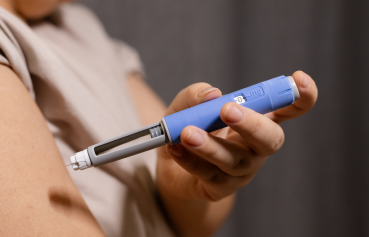
Then there's the bigger issue: Most advice treats everyone the same. Yet we're not all the same. Some people are on medications like semaglutide or other GLP-1 receptor agonists that change how appetite and digestion work.
These details matter when planning your approach to holiday meals. Advice that leans on willpower misses the bigger picture: your biology, medications, and individual health all affect how you eat.
Disclaimer: This article provides general educational information, but it’s not a substitute for professional medical advice. Please consult with a qualified healthcare provider before making big changes. Recommendations should be appropriate and safe for your specific health situation.
Your knownwell specialist can help you develop a personalized plan that supports you during the holiday period and beyond.
12 Holiday eating tips that work with your body (not against it)
1. Eat before you go
Eating something before a holiday event helps you stay connected to your body's signals. When you’re hungry, ghrelin levels rise. Studies show this can make it harder to notice fullness cues or choose foods that satisfy you.
Having a small meal or snack with protein, fat, and fiber an hour or two before you leave helps steady your hunger and blood sugar. Protein, fat, and fiber slow digestion, boost fullness, and support more stable glucose after eating.
That way, you arrive comfortable, not desperate, and can choose the holiday foods you truly want.
2. Build a balanced plate first
Start your meal by serving protein and non-starchy vegetables before you add holiday favorites like potatoes, bread, or dessert. Research shows that protein can increase feelings of fullness, even over 24 hours, which helps you feel more satisfied after eating.
Vegetables add fiber and volume, which slows digestion and helps smooth out the rise in blood sugar after a meal. Clinical trials show that fiber can reduce post-meal glucose spikes.
The order matters too. Studies in adults with overweight and type 2 diabetes found that eating vegetables and protein before carbohydrates led to lower post-meal glucose and insulin levels than eating the carbs first.
3. Skip the food police mindset
Labeling foods as good or bad can make holiday eating feel stressful instead of enjoyable. Research shows that when people judge their food choices harshly, they often feel more guilt afterward. And here’s the thing: guilt is linked to lower satisfaction and a higher chance of overeating later.
Guilt and stress affect the gut, too. When stress activates, blood flow moves away from your gut. This causes stomach discomfort and changes your appetite.
Instead of policing every bite, see holiday foods as part of culture, tradition, and connection. You can still notice how different foods make you feel without judging yourself. That kind of mindful, non-judgmental attention supports comfortable digestion and real satisfaction from your meals.
4. Stay hydrated between events
Some research suggests that mild dehydration can alter appetite-related hormones and make it harder to read your body’s signals. Thirst is often the primary signal, but it can sometimes be confused with hunger or low energy.
If you take GLP-1 medications, staying hydrated matters even more. These medications slow stomach emptying, and dehydration can make side effects like nausea and dizziness feel worse.
Water, tea, and fruits or vegetables all support hydration. Sipping fluids gradually throughout the day helps keep your hunger cues clearer and your body more comfortable between holiday events.
5. Practice mindfulness
Fullness signals don’t show up the moment you stop eating. It takes time for your body to release the hormones that tell your brain you’ve had enough.
A 2022 study found that women with obesity had lower CCK levels in the first 18-30 minutes of eating. CCK is a key fullness hormone. This suggests that, for some people with obesity, fullness signals may be slower to show up.
This is where mindfulness comes in. Mindfulness practices help you tune into your body's internal hunger and fullness signals rather than eating in response to emotions or external triggers like the time of day or food availability.
Research shows mindfulness-based approaches work particularly well for addressing binge eating, emotional eating, and eating driven by external cues, helping you build greater awareness and control over your eating patterns.
Practicing “pause” gives your body a chance to speak before you decide what’s next.
6. Choose your indulgences intentionally
Mindfulness can make holiday meals feel calmer and more enjoyable. Before you fill your plate, take a moment to notice which foods you’re truly excited about. This small pause helps you choose what brings real enjoyment instead of eating whatever happens to be in front of you.
Research shows that mindfulness-based eating can reduce automatic, cue-driven eating and support more intentional choices.
Choosing your favorites with awareness isn’t about restriction. It’s about giving yourself the space to enjoy the holiday foods you love while feeling more connected to your own needs.
7. Don't skip meals to compensate
While you may be tempted to skip meals, doing so can work against you. When you go long stretches without eating, hunger hormones rise, and blood sugar becomes less stable. A 2025 study found that skipping a meal, especially lunch, led to higher blood sugar swings at the next meal.
These shifts make it harder to feel satisfied once you start eating and can set you up to overeat. Eating steady, balanced meals during the day keeps your energy stable and helps you arrive at holiday events feeling grounded, not overly hungry or rushed around food.
8. Move your body (but not as punishment)
Movement feels better when it comes from choice, not pressure. In a 2023 study, young adults said they were more likely to move when it matched their mood and felt right in the moment, not when they felt pushed or guilty.
Gentle movement after a meal can also help with digestion. Walking for just 10 minutes can help you manage your blood sugar.
9. Bring a dish you enjoy
Bringing a dish you truly enjoy can make holiday gatherings feel more relaxed. Knowing there’s at least one option that fits your tastes and needs takes away the pressure of wondering what will be available.
It doesn’t have to be impressive. It just needs to be something you like and feel good eating. When you arrive with a dish that feels familiar, it’s easier to settle in, enjoy the food, and focus on the people around you.
10. Manage medication timing
If you take a GLP-1 medication, timing matters during holiday events. These medicines slow down digestion and can cause nausea.
Before changing your dosing time, check with your prescriber; they can help you decide whether to keep your usual schedule or make a small adjustment.
11. Set boundaries around food talk
Holiday gatherings often include comments about weight, diets, or what people should eat. You can step away from those conversations. Something like 'I'm focusing on what feels good for me right now' can redirect without drama.
Research shows that diet and body talk, sometimes called "fat talk", can negatively impact mental health and well-being. Setting boundaries around these conversations helps protect your mental and emotional energy, especially when you're working on your own healthy holiday goals.
12. Focus on connection, not perfection
Holiday meals are for connection. The traditions and time together matter more than getting every food choice right
For most of us, one meal will not change our health. What matters most is the pattern of choices you make across weeks and months. Allowing yourself to enjoy the occasion helps you stay present, reduces pressure, and supports a healthier relationship with food long term.
Healthy holiday food swaps (that don't taste like compromises)
Small shifts can make traditional dishes feel lighter without losing the flavors you love. These swaps aren’t about creating diet food. They’re simply options that add more balance and keep the meal enjoyable.
- Mashed potatoes: Use some Greek yogurt in place of heavy cream for a creamy texture with a bit more protein.
- Stuffing: Try whole-grain bread and add extra vegetables like celery, onions, mushrooms, or herbs for more flavor and fiber.
- Green bean casserole: Roast fresh green beans with a little olive oil and sliced almonds for a simple, crisp alternative.
- Desserts: Choose a smaller portion of the real dessert you love instead of a “light” version that may not satisfy you.
- Drinks: If you’re having alcohol, alternating with water can help you stay hydrated and feel better later.
Pick the ideas that fit your traditions and help the meal feel both satisfying and comfortable.
What to do when healthy holiday eating goes sideways
Everyone has moments during the holidays when eating feels less planned and more chaotic. One meal, or even a few days, doesn't change your progress or define your health.
The best way to get back on track is to return to your usual routines as soon as you can. Eat your next balanced meal, drink some water, and move your body in a way that feels good.
Going off plan is part of being human. Holiday meals often come with emotion, tradition, and social pressure. Choosing flexibility can help you feel more at ease and rebuild trust in your body.
If food feels stressful or overwhelming for more than a few days, or you're struggling with guilt and negative thoughts that won't settle, reach out for support. A registered dietitian or clinical team can help you sort through those feelings.
How knownwell helps you through the holidays
Healthy holiday eating can feel complicated, and you don't have to handle it alone. At knownwell, registered dietitians take the time to understand your routines, your stressors, and the emotional load that often comes with holiday meals.
If you use weight-management medications, our clinical team can help you navigate timing, side effects, and appetite changes during the holidays. We'll work with you to find what feels manageable.
Nutrition is individual. Our knownwell team works with you to create a personalized eating pattern that respects your culture, your preferences, and your health needs. The goal is to help you feel grounded and supported, without shame or judgment.
What knownwell offers:
- Virtual visits in all 50 states
- In-person clinics in the Boston, Chicago, Dallas/Fort Worth, and Atlanta areas
- Insurance accepted
- Ongoing care that continues long after the holidays
Book your visit with knownwell to build a sustainable approach to food, both during the holidays and throughout the year.
FAQ
How do I limit overeating at holiday parties?
Limit overeating at holiday parties by eating regular meals during the day, staying hydrated, and starting with protein and vegetables before moving on to your favorite dishes. Taking a short pause before going back for seconds gives your fullness cues time to catch up.
What are the healthiest holiday foods to eat?
The healthiest holiday foods to eat are the ones that satisfy you with plenty of protein, fiber-rich vegetables, and healthy fats to help you feel full and steady. Enjoy them alongside your favorite traditional dishes.
How can I stick to my weight-loss goals during the holidays?
You can stick to your weight-loss goals during the holidays by staying consistent with what's been working: regular meals, daily movement, or good sleep. At holiday events, take a minute to tune into what you're hungry for and notice when you're getting full.
One celebration won't undo your progress.
Should I skip meals before a big holiday dinner?
No. Skipping meals can lead to stronger hunger and less stable blood sugar later. Eating balanced meals earlier in the day helps you arrive feeling grounded and prevents eating past comfort.
How do I manage holiday eating on GLP-1 medications?
Manage holiday eating on GLP-1 medications by planning your medication timing with your care team, limiting large portions at once, and choosing slower, mindful eating to reduce nausea. Staying hydrated and having smaller, more frequent portions can help you feel more comfortable.
How do I get back on track after overindulging?
Get back on track after overindulging by just resuming your usual eating pattern at your next meal. Hydrate, eat when you're hungry, and move if it feels good. Restriction usually backfires. Your health isn't defined by one meal.
Source list
- Chang, T., Ravi, N., Plegue, M. A., Sonneville, K. R., & Davis, M. M. (2016). Inadequate hydration, BMI, and obesity among US adults: NHANES 2009–2012. Annals of Family Medicine, 14(4), 320–324. doi:10.1370/afm.1951. Retrieved from https://www.ncbi.nlm.nih.gov/pmc/articles/PMC4940461/
- Craven, M. P., & Fekete, E. M. (2019). Weight-related shame and guilt, intuitive eating, and binge eating in female college students. Eating Behaviors, 33, 44–48. doi:10.1016/j.eatbeh.2019.03.002. Retrieved from https://www.sciencedirect.com/science/article/abs/pii/S1471015318303234
- Ekberg, N. R., Haraldsson, A., Xu, E., Lindqvist, A., & Lantz, H. (2024). A protein-rich meal provides beneficial glycemic and hormonal responses as compared to meals enriched in carbohydrate, fat or fiber, in individuals with or without type-2 diabetes. Frontiers in Nutrition, 11. doi:10.3389/fnut.2024.1395745. Retrieved from https://www.frontiersin.org/journals/nutrition/articles/10.3389/fnut.2024.1395745/full
- Geary, N., Spanos, D., Daniel, J. R., et al. (2023). Increased meal size but reduced meal-stimulated plasma cholecystokinin concentrations in women with obesity. Endocrinology, 164(1), bqac192. doi:10.1210/endocr/bqac192. Retrieved from https://academic.oup.com/endo/article/164/1/bqac192/6854556
- Giuntini, E. B., Sardá, F. A. H., & de Menezes, E. W. (2022). The effects of soluble dietary fibers on glycemic response: An overview and futures perspectives. Foods, 11(23), 3934. doi:10.3390/foods11233934. Retrieved from https://www.mdpi.com/2304-8158/11/23/3934
- Gorgojo-Martínez, J. J., Mezquita-Raya, P., Carretero-Gómez, J., et al. (2023). Clinical recommendations to manage gastrointestinal adverse events in patients treated with GLP-1 receptor agonists: A multidisciplinary expert consensus. Journal of Clinical Medicine, 12(1), 145. doi:10.3390/jcm12010145. Retrieved from https://pmc.ncbi.nlm.nih.gov/articles/PMC9821052/
- Hashimoto, K., Kawaguchi, K., Takahashi, H., Ida, M., & Nakae, S. (2025). Positive impact of a 10-min walk immediately after glucose intake on postprandial glucose levels. Scientific Reports, 15, 22662. doi:10.1038/s41598-025-07312-y. Retrieved from https://www.ncbi.nlm.nih.gov/pmc/articles/PMC11733903/
- Hooper, S. C., Mattes, E., & Fuller-Tyszkiewicz, M. (2023). Fat talk, old talk, or both? Association of negative body talk with mental health, body dissatisfaction, and quality of life in men and women. Journal of Eating Disorders, 11, 77. doi:10.1186/s40337-023-00803-1. Retrieved from https://pmc.ncbi.nlm.nih.gov/articles/PMC10193346/
- Howick, K., Griffin, B. T., Cryan, J. F., & Schellekens, H. (2017). From belly to brain: Targeting the ghrelin receptor in appetite and food intake regulation. International Journal of Molecular Sciences, 18(2), 273. doi:10.3390/ijms18020273. Retrieved from https://www.mdpi.com/1422-0067/18/2/273
- Ignot-Gutiérrez, A., Hernández-Lepe, M. A., & Ochoa-Martínez, B. (2024). Proteins and peptides from food sources with effect on satiety and their role as anti-obesity agents: A narrative review. Nutrients, 16(20), 3560. doi:10.3390/nu16203560. Retrieved from https://pmc.ncbi.nlm.nih.gov/articles/PMC11510221/
- Kanazawa, C., Komaki, K., Yano, S., et al. (2025). Effects of skipping breakfast, lunch or dinner on subsequent postprandial blood glucose levels among healthy young adults. Nutrition & Metabolism, 22(1), 76. doi:10.1186/s12986-025-00975-4. Retrieved from https://nutritionandmetabolism.biomedcentral.com/articles/10.1186/s12986-025-00975-4
- Kao, T. A., Weiland, A., Zhu, J., et al. (2025). Effects of mindfulness-based interventions on obesogenic eating behaviors: A systematic review and meta-analysis. Obesity Reviews, 26(3), e13860. doi:10.1111/obr.13860. Retrieved from https://onlinelibrary.wiley.com/doi/10.1111/obr.13860
- Konturek, P., Brzozowski, T., & Konturek, S. (2011). Stress and the gut: Pathophysiology, clinical consequences, diagnostic approach and treatment options. Journal of Physiology and Pharmacology, 62(6), 591–599. Retrieved from https://www.jpp.krakow.pl/journal/archive/12_11/pdf/591_12_11_article.pdf
- Meule, A. (2020). The psychology of food cravings: The role of food deprivation. Current Nutrition Reports, 9(3), 251–257. doi:10.1007/s13668-020-00326-0. Retrieved from https://link.springer.com/article/10.1007/s13668-020-00326-0
- Moiz, A., Verma, A., Khan, M., et al. (2025). Mechanisms of GLP-1 receptor agonist-induced weight loss: A review of central and peripheral pathways in appetite and energy regulation. The American Journal of Medicine, 138(6), 934–940. Retrieved from https://www.amjmed.com/article/S0002-9343(25)00059-2/fulltext
- Montenegro-Bethancourt, G., Johner, S. A., Stehle, P., & Remer, T. (2013). Contribution of fruit and vegetable intake to hydration status in schoolchildren. The American Journal of Clinical Nutrition, 98(4), 1103–1112. doi:10.3945/ajcn.112.051490. Retrieved from https://www.sciencedirect.com/science/article/pii/S0002916523052772
- O'Reilly, G. A., Cook, L., Spruijt-Metz, D., & Black, D. S. (2014). Mindfulness-based interventions for obesity-related eating behaviors: A literature review. Obesity Reviews, 15(6), 453–461. doi:10.1111/obr.12156. Retrieved from https://www.ncbi.nlm.nih.gov/pmc/articles/PMC4046117/
- Ruxton, C. H., & Hart, V. A. (2011). Black tea is not significantly different from water in the maintenance of normal hydration in human subjects: Results from a randomised controlled trial. British Journal of Nutrition, 106(4), 588–595. doi:10.1017/S0007114511000456. Retrieved from https://www.cambridge.org/core/journals/british-journal-of-nutrition/article/black-tea-is-not-significantly-different-from-water-in-the-maintenance-of-normal-hydration-in-human-subjects-results-from-a-randomised-controlled-trial/126C422379AFDA14AD1F03B02F318098
- Shukla, A. P., Iliescu, R. G., Thomas, C. E., & Aronne, L. J. (2015). Food order has a significant impact on postprandial glucose and insulin levels. Diabetes Care, 38(7), e98–e99. doi:10.2337/dc15-0429. Retrieved from https://diabetesjournals.org/care/article/38/7/e98/37763/Food-Order-Has-a-Significant-Impact-on
- Skoracka, K., Skotarczak, K., Jankowska, J., et al. (2025). The role of leptin and ghrelin in the regulation of appetite in obesity. Peptides, 186, 171367. doi:10.1016/j.peptides.2025.171367. Retrieved from https://www.sciencedirect.com/science/article/pii/S0196978125000282
- Stults-Kolehmainen, M. A., Gilson, T. A., & Abolt, C. J. (2023). Qualitative and quantitative evidence of motivation states for physical activity, exercise and being sedentary from university student focus groups. Frontiers in Sports and Active Living, 5. doi:10.3389/fspor.2023.1033619. Retrieved from https://www.frontiersin.org/journals/sports-and-active-living/articles/10.3389/fspor.2023.1033619/full
- Warren, J. M., Smith, N., & Ashwell, M. (2017). A structured literature review on the role of mindfulness, mindful eating and intuitive eating in changing eating behaviours: Effectiveness and associated potential mechanisms. Nutrition Research Reviews, 30(2), 272–283. doi:10.1017/S0954422417000154. Retrieved from https://www.cambridge.org/core/journals/nutrition-research-reviews/article/structured-literature-review-on-the-role-of-mindfulness-mindful-eating-and-intuitive-eating-in-changing-eating-behaviours-effectiveness-and-associated-potential-mechanisms/440770AD5CD5300D20F5FAE17637B0C2
- Wharton, S., Liu, A., Pakseresht, A., et al. (2022). Managing the gastrointestinal side effects of GLP-1 receptor agonists in obesity: Recommendations for clinical practice. Postgraduate Medicine, 134(1), 14–19. doi:10.1080/00325481.2021.2002616. Retrieved from https://www.tandfonline.com/doi/full/10.1080/00325481.2021.2002616
