







Get in touch

Email: info@knownwell.health
Phone: 339-793-8998

close

Easy 25 New Year Health Resolutions You'll Actually Keep

·
Jan 2, 2026
Man sitting in park meditiating

Easy 25 New Year Health Resolutions You'll Actually Keep

·
Jan 2, 2026
Man sitting in park meditiating

If you’re looking for New Year health resolutions that you’ll actually keep, here are 25 habits designed to be simple, manageable, and achievable all year long.

Disclaimer: The information in this article is educational and not a substitute for professional medical advice. Please consult your care team before starting any new health resolutions, especially if you have existing health conditions or take medications.

Resolution Why It Matters Difficulty Time Needed
Schedule your annual physical Monitor blood pressure, blood sugars, and cholesterol levels. Can also help identify potential health issues early on. Easy 20–30 min
Add one more vegetable to your day Most vegetables are high in fiber, helping with satiety, digestion, and blood sugar regulation. Easy <5 min
Move 10 minutes daily Incorporating a 10 minute walk after meals can reduce blood sugar spikes. Easy 10 min
Drink water before coffee each morning Rehydrates after sleep and supports better focus and energy. Easy <1 min
Gradually increase your sleep time Sleeping 7-8 hours nightly has been shown to regulate appetite and reduce cravings for sugary or processed foods. Easy 10–15 min
Cook one more meal at home per week Not only does this improve nutritional quality and portion control, it may save you quite a bit of money! I Moderate 20–40 min
Take medications as prescribed Consistent dosing improves effectiveness and reduces side effects. Pill boxes are a highly effective method to improve medication compliance. Easy <1 min
Reduce screen time before bed Supports better sleep quality, which in turn regulates appetite. Moderate 30 min
Practice saying no to diet talk Protects mental health and reduces stress linked to diet culture. Moderate 0 min
Add strength training twice weekly Preserves muscle mass, boosts metabolism, and supports mobility.Also helps with fall prevention in the long run. Moderate Varies
Schedule regular check-ins with your care team Helps with accountability; virtual visits make it easy. Easy 15–20 min
Experiment with stress management Even 5 minutes of yoga, leisurely walking, and meditation can lower stress, improve mood, and support healthier choices. Moderate 5 min
Try one new whole food each month Builds variety and nutrient intake without pressure. Easy <5 min
Build a support system Social support improves motivation, accountability, and long-term health. Moderate Ongoing
Focus on what you're adding (not removing) Positive, add-based goals feel easier and support steady progress. Easy Ongoing
Take walking breaks during your day Short breaks reduce fatigue and counter long sitting time. Easy 2–5 min
Prep healthy snacks for the week Prevents rushed choices and helps maintain energy through the day. Moderate 10–20 min
Track one health metric consistently Simple tracking helps reveal patterns that support your goals. Easy <1 min
Eat protein at every meal Boosts fullness and helps preserve muscle, which supports metabolism. Front loading protein earlier in the day can also prevent overeating near bedtime. Easy 1–5 min
Limit alcohol to specific days Reducing drinking days supports sleep, clarity, and overall health. Moderate 0 min
Get outside for 10 minutes daily Sunlight supports mood and vitamin D, even in small amounts. Easy 10 min
Practice mindful eating at one meal Helps you slow down, notice hunger/fullness, and feel satisfied. Moderate 10 min
Schedule preventive health screenings Detects health problems early; diabetes screening is recommended for adults with overweight/obesity. Easy 20–30 min
Find movement you actually enjoy Enjoyable movement is easier to stick with long term. Easy Varies
Give yourself permission to adjust goals Flexibility prevents all-or-nothing thinking and supports steady progress. Easy Ongoing

1. Schedule your annual physical

Preventive visits help track blood pressure, glucose, cholesterol, and screenings, which research shows improves disease detection and risk factor management.

Studies confirm the importance of early screening and early detection of heart disease and diabetes.

Try this: Book it now and add a reminder.

2. Add one more vegetable to your day

You’ve heard that eating more vegetables matters, and here’s why: 

Research shows that vegetables, as a primary source of dietary fiber, have significant health benefits.

Because vegetables are naturally high in fiber, they help you feel full, support regular digestion, and slow your rise in blood sugar after eating.  

Try this: Add a side salad or extra veggies to dinner.

3. Move 10 minutes daily

You don't need long workouts to manage blood sugar. Walking for just 10 minutes after a meal can help you manage your blood sugar. When you move shortly after eating, your muscles use glucose from your blood, preventing sugar spikes.

Research shows that walking immediately after meals is 12 to 22% more effective at controlling blood sugar spikes compared to taking a single daily walk. Evening walks after dinner show the greatest benefit, especially after meals with lots of carbohydrates.

Try this: A short walk after dinner this evening.

4. Drink water before coffee each morning

During hours of sleep, your body loses water through respiration and skin evaporation. This is why staying hydrated is important.

Research shows that even mild dehydration affects how you think and feel. These studies link dehydration to reduced alertness, increased fatigue, and difficulty concentrating.

Starting your day with water can help restore your body's fluid balance and support better focus and energy levels throughout the morning.

Try this: Keep a glass of water by the coffee maker and drink it while your coffee brews. This simple habit stacking makes the new routine feel natural and effortless.

5. Gradually increase your sleep time

Getting enough sleep helps your body manage appetite and metabolism. Not getting enough sleep disrupts hormones that control hunger, making you crave more food and store extra weight.

Even small increases in sleep time can help reverse these effects and support healthier eating patterns.

Try moving your bedtime earlier by just 5 minutes each night. Research shows this gradual approach can help you fall asleep earlier and sleep longer. Over time, those extra minutes add up to better hormone balance, improved appetite control, and stronger metabolic health.

Try this: Pick a realistic bedtime and stick to it each night. Try moving it earlier as the habit builds.

6. Cook one more meal at home per week

Cooking at home gives you more control over ingredients and often saves money compared to eating out.

Home cooking also lets you control portion sizes and choose whole ingredients, which supports better nutritional quality and overall health.

Try this: Start by choosing one simple recipe you enjoy and make it part of your weekly routine.

7. Take medications as prescribed

Taking your medications at the right time helps them work as intended and supports steady progress.

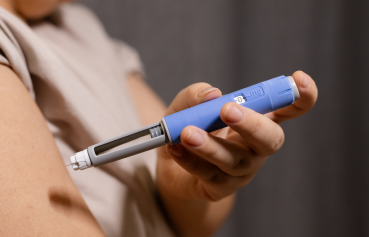
If you're taking a GLP-1 medication (like Wegovy or Zepbound) for weight management, staying consistent with your dosing schedule helps you get the full benefits while minimizing side effects. 

Check in with your care team if side effects feel impactful and disruptive. You shouldn’t suffer in silence. Our team will work with you to troubleshoot any symptoms that arise.

Try this: Build a reminder system, like a phone alarm or pill organizer, to make it easier to stay consistent.

8. Reduce screen time before bed

We know how common it is to have a phone with you all day, but lots of exposure to screens can affect your sleep quality. Try evening alternatives like reading, stretching, or listening to calming music. 

A 2020 study found that adults who limited how much they used their phones 30 minutes before bed showed improved sleep quality, reduced presleep arousal, and improved positive affect and working memory.

Try this: Set a phone alarm for 30 minutes before your target bedtime as your reminder to put screens away.

9. Practice saying no to diet talk

Exposure to diet culture, including conversations focused on weight, restrictive eating, or body size, can increase stress and take a toll on mental well-being.

This 2023 research article looks at a body of research showing that diet culture and weight stigma increase stress hormones. 

This can increase feelings of anxiety, depression, and body dissatisfaction. 

Try this: Set boundaries around these conversations and redirect the discussion to something that feels healthier for you.

10. Add strength training twice weekly

Building muscle can be an effective way to support your metabolism. Muscle tissue is more metabolically active than fat tissue, which means it burns more energy than fat, even when you are resting.

Strength training also supports bone health, improves mood, and helps with mobility.

You do not need a gym to get started. Bodyweight moves such as squats, wall push-ups, or resistance-band exercises can all be done at home.

Your care team can help you find the right starting point based on your current fitness level and any health conditions you're managing.

Try this: Do squats while your coffee brews or wall push-ups during TV commercials.

11. Schedule regular check-ins with your care team

Regular check-ins give you space to review your habits, talk through challenges, and update your plan with a care team that knows your goals.

With knownwell’s virtual visit options, you can stay on track without rearranging your whole day.

Try this: Before the month ends, schedule your next follow-up visit.

12. Experiment with stress management

Stress affects your sleep, eating habits, and mood. Finding stress management tools that work for you matters. Try simple options like deep breathing, stretching, or short breaks during your day. 

You only need sessions of at least 5 minutes because research shows that can be effective at reducing stress.

Try this: Set a daily reminder to practice 5 minutes of deep breathing. 

13. Try one new whole food each month

Adding new foods expands your nutritional variety without feeling overwhelming. Different foods provide different nutrients, and variety helps you get those that your body needs. 

Try this: Choose one fruit, vegetable, or protein each month to explore. Try a new recipe.

14. Build a support system

Having people who encourage your goals makes lasting change easier. Research consistently shows that social support is fundamental to health and longevity.

Support from friends, family, or your knownwell care team can help you stay motivated.

Try this: Tell one supportive person what you’re working on this month.

15. Focus on what you're adding (not removing)

Adding helpful habits creates an abundance mindset and reduces pressure. This approach makes healthy changes feel more positive and sustainable. 

A large-scale study found that people who frame goals as positive actions, things to do rather than avoid, perform significantly better over time.

Try this: Choose one thing to add today, like water, a walk, or a balanced snack.

16. Take walking breaks during your day

Research shows that taking short walking breaks helps counter long periods of sitting and supports your energy. Even a few minutes of movement throughout the day can make a difference.

Try this: Set a timer to remind yourself to take a break.

17. Prep healthy snacks for the week

Having snacks ready can prevent rushed choices when you get hungry. Simple, balanced snacks can help you stay full between meals.

Try this: Prep two grab-and-go options like fruit, nuts, or yogurt.

18. Track one health metric consistently

Tracking a single metric keeps things simple and helps you notice patterns over time. Choose a metric that supports your goals, such as blood pressure, glucose, or sleep. 

Results of a 2018 study show that tracking your health regularly, not just once in a while, can lead to better habits and healthier routines.

Try this: Pick one metric today and check it at the same time each day.

19. Eat protein at every meal

Protein helps you stay full and prevent muscle loss as you build new habits.

A 2024 systematic review showed that adults with overweight or obesity who increase their protein intake during weight-loss programs are better able to maintain muscle mass and strength. 

Try this: Add eggs, yogurt, tofu, beans, fish, or chicken to your next meal.

20. Limit alcohol to specific days

Drinking too much increases your risk of cancer, heart disease, liver disease, and brain diseases. Picking set days to drink is a realistic way to reduce alcohol intake while staying flexible. 

In some people, a high alcohol intake is a risk factor for obesity.

Try this: Choose a few alcohol-free days this week.

21. Get outside daily

A short walk outdoors in fresh air and natural light can support mood and vitamin D levels. Even a short step outside can help you reset during a busy day.

Research shows that increasing sunlight exposure is linked to improved mental health. This connection exists even among people who spend most of their workday indoors, suggesting that small amounts of outdoor time can make a meaningful difference.

Try this: Take a walk or spend time outside during a break to get some sunlight exposure, which supports vitamin D production.

22. Practice mindful eating at one meal

Slowing down helps you notice hunger and fullness cues more clearly. Practice mindful eating to help you stay aware of your body’s signals: when you’re hungry, and stop when you feel satisfied.

Try this: Pause for a few deep breaths before your next bite.

23. Schedule preventive health screenings

Age-appropriate screenings can find health problems early and give you peace of mind.

For adults who are overweight, experts often recommend a diabetes screening, such as an A1C blood test, to check for prediabetes or type 2 diabetes. 

The U.S. Preventive Services Task Force advises screening adults ages 35 to 70 with overweight or obesity. Almost 1 in 2 people with diabetes do not know they have it.

Try this: Check your calendar and schedule any overdue screenings today.

24. Find movement you actually enjoy

Research consistently shows that people stick with exercises they enjoy. The more you like what you are doing, the more likely you are to stick with it. Choose what fits your body, your mood, and your schedule.

Try this: Try one new activity this week: walk, dance, swim, or stretch.

25. Give yourself permission to adjust goals

Life changes, and your goals can change too. Being flexible helps you keep going when things don't go as planned.

Research shows that goal flexibility is an important part of staying healthy. If you can let go of goals that are no longer realistic and set new ones, you’ll experience less stress and better overall well-being.

Try this: Check in with yourself at the end of each month and adjust your goals if you need to.

Why most resolutions fade by February

Many New Year’s resolutions fade within the first few months of the new year because they rely on restriction, willpower, or all-or-nothing thinking patterns that are hard to maintain long-term.

Unrealistic expectations make habits harder to sustain

A large study of more than 1,000 adults found that people were significantly more successful with approach-oriented goals, those focused on adding positive behaviors, compared to avoidance-based or overly demanding goals.

Willpower alone doesn’t create lasting change

Behavior-change research shows that relying only on motivation or willpower isn’t enough. Instead, consistent routines, cues, and environmental support are what help new habits stick.

Focusing on what you can do this week works better than setting distant goals. A 25-year research program found that short-term goals with ongoing progress tracking were the strongest predictor of successful weight management. 

All-or-nothing thinking leads to early burnout

Restrictive diets or strict food rules can work against you. A 2020 study found that people who try to tightly control their eating, called “restrained eaters”, are more likely to feel they have overeaten and feel upset when they break a rule. They are also more sensitive to tempting foods around them. 

This means that when you have a strict rule like “no treats ever,” even one slip can lead to feelings of failure and more unplanned eating. This pattern makes it harder to stick with healthy habits over time.

How to make healthy resolutions stick beyond January

Start small and build gradually

Big changes can feel overwhelming. Small steps are easier to keep and still make a real difference. 

Research shows habit formation develops gradually over time through consistent repetition, with studies demonstrating substantial increases in habit strength over a three-month period when behaviors are performed regularly.

Track behaviors, not just outcomes

Focusing on daily actions, like adding vegetables, walking, or taking medications, gives you something you can control. These steady behaviors often lead to long-term progress, even when the scale or other outcomes move slowly.

This systematic review shows that people who track their eating behaviors (what foods they eat, when they eat) are more successful at weight management than those who don't track. 

Plan for setbacks without shame

Everyone has moments when life gets busy or stressful. Setbacks don't mean you've failed. They're part of change. 

You can always return to your routine with kindness toward yourself.

Get professional support when needed

A care team can help you stay steady, problem-solve challenges, and adjust your goals to fit your life. You don't have to figure everything out on your own.

How knownwell supports your New Year's health goals

The knownwell team offers a supportive, collaborative approach to help you build habits for the new year that fit your life.

Our team works with you through every stage, whether you’re starting new routines, managing medications, or adjusting your goals as the year goes on.

  • Our board-certified obesity medicine physicians understand the medical, emotional, and metabolic sides of weight and health.
  • Our registered dietitians help you create a personalized eating pattern that matches your culture, schedule, and preferences.
  • Get ongoing support for habit building so that you can take small, steady steps without feeling overwhelmed.
  • Receive integrated primary care and weight management, giving you one coordinated team to oversee your health.

What knownwell offers:

  • Personalized nutrition plans tailored to your  journey
  • Primary care physicians specializing in metabolic health
  • Registered dietitians for medical nutrition therapy and ongoing food guidance
  • Compassionate, judgment-free care and practical tips from your knownwell care team

Ready to get started?

  • Virtual visits: Available from home in all 50 states.
  • In-person clinics: Boston area, Chicago, Dallas/Fort Worth, and Atlanta. 
  • Insurance accepted: Most major plans offer coverage.

Book a visit with knownwell today and take the first step toward achieving your New Year’s health resolutions.

FAQ

What are the most realistic New Year’s health resolutions?

The most realistic resolutions are small, simple habits you can repeat most days. Examples include adding a vegetable, walking for 10 minutes, drinking water in the morning, or scheduling a check-in with your care team.

How do I make my healthy New Year’s resolutions stick?

Make your healthy New Year’s resolutions stick by focusing on one or two habits at a time and building them slowly. Tracking small behaviors, planning for setbacks, and getting support from your care team or loved ones can help you stay steady.

Why do New Year’s health resolutions fade?

Many New Year’s health resolutions fail because the goals are too big or too restrictive.

Research shows that approach-oriented goals, habits you add rather than things you cut out, have much higher success rates than avoidance goals.

Should I set weight management as a New Year’s health goal?

Weight management can certainly be part of your goals, but it should be approached safely and with support.

Working with a care team that understands obesity care can help you create a plan that fits your life and protects your physical and emotional well-being.

How many New Year’s health resolutions should I make?

You are more likely to succeed if you focus on making fewer New Year’s health resolutions rather than many at once. When you try to juggle multiple goals, it becomes harder to manage them effectively because they compete for your limited time and energy. 

Keeping your list short makes it easier to stay focused and celebrate your progress.

Sources

Aristizabal, J., Freidenreich, D., Volk, B., et al. (2015). Effect of resistance training on resting metabolic rate and its estimation by a dual-energy X-ray absorptiometry metabolic map. European Journal of Clinical Nutrition, 69, 831–836. doi:10.1038/ejcn.2014.216. Retrieved from https://www.nature.com/articles/ejcn2014216

Augustin, N., Bendau, A., Heuer, S., et al. (2023). Resistance training in depression. Deutsches Ärzteblatt International, 120(45), 757–762. doi:10.3238/arztebl.m2023.0196. Retrieved from https://pmc.ncbi.nlm.nih.gov/articles/PMC10745562/

Alahmari, L. A. (2024). Dietary fiber influence on overall health, with an emphasis on CVD, diabetes, obesity, colon cancer, and inflammation. Frontiers in Nutrition, 11, 1510564. doi:10.3389/fnut.2024.1510564. Retrieved from https://pmc.ncbi.nlm.nih.gov/articles/PMC11671356/

Annesi, J. J. (2022). Behavioral weight loss and maintenance: A 25-year research program informing innovative programming. The Permanente Journal, 26(2), 98–117. doi:10.7812/TPP/21.212. Retrieved from https://pmc.ncbi.nlm.nih.gov/articles/PMC9662257/

Bentley, T. G. K., D'Andrea-Penna, G., Rakic, M., et al. (2023). Breathing practices for stress and anxiety reduction: Conceptual framework of implementation guidelines based on a systematic review of the published literature. Brain Sciences, 13(12), 1612. doi:10.3390/brainsci13121612. Retrieved from https://pmc.ncbi.nlm.nih.gov/articles/PMC10741869/

Bouajila, N., Domenighetti, C., Aubin, H. J., et al. (2024). Alcohol consumption and its association with cancer, cardiovascular, liver and brain diseases: A systematic review of Mendelian randomization studies. Frontiers in Epidemiology, 4, Article 1385064. doi:10.3389/fepid.2024.1385064. Retrieved from https://pmc.ncbi.nlm.nih.gov/articles/PMC11578756/

Burke, L. E., Wang, J., Sevick, M. A. (2011). Self-monitoring in weight loss: A systematic review of the literature. Journal of the American Dietetic Association, 111(1), 92–102. doi:10.1016/j.jada.2010.10.008. Retrieved from https://pmc.ncbi.nlm.nih.gov/articles/PMC3268700/

Chang, R. S., Cerit, H., Hye, T., et al. (2021). Stress-induced alterations in HPA-axis reactivity and food craving: The moderating role of emotional eating and dietary restraint. Appetite, 168, 105707. doi:10.1016/j.appet.2021.105707. Retrieved from https://pmc.ncbi.nlm.nih.gov/articles/PMC8671188/

de Oliveira Otto, M. C., Anderson, C. A. M., Dearborn, J. L., et al. (2018). Dietary diversity: Implications for obesity prevention in adult populations: A science advisory from the American Heart Association. Circulation, 138(11), e160–e168. doi:10.1161/CIR.0000000000000595. Retrieved from https://pmc.ncbi.nlm.nih.gov/articles/PMC6894732/

Dewald-Kaufmann, J. F., Oort, F. J., Meijer, A. M. (2013). The effects of sleep extension on sleep and cognitive performance in adolescents: A randomized, controlled trial. Sleep Medicine, 14(6), 510–517. doi:10.1016/j.sleep.2013.01.012. Retrieved from https://www.sciencedirect.com/science/article/pii/S1389945713000622

Ducrot, P., Méjean, C., Aroumougame, V., et al. (2017). Meal planning is associated with food variety, diet quality and body weight status in a large sample of French adults. International Journal of Behavioral Nutrition and Physical Activity, 14(1), 12. doi:10.1186/s12966-017-0461-7. Retrieved from https://pmc.ncbi.nlm.nih.gov/articles/PMC5288891/

Facciolà, A., Visalli, G., D'Andrea, G., et al. (2022). Prevention of cardiovascular diseases and diabetes: Importance of a screening program for the early detection of risk conditions in a target population. Journal of Preventive Medicine and Hygiene, 62(4), E934–E942. doi:10.15167/2421-4248/jpmh2021.62.4.2360. Retrieved from https://pmc.ncbi.nlm.nih.gov/articles/PMC9104660/

Figueiredo, M., Caldeira, C., Chen, Y., et al. (2018). Routine self-tracking of health: reasons, facilitating factors, and the potential impact on health management practices. AMIA Annual Symposium Proceedings, 2017, 706–714. PMCID: PMC5977566. PMID: 29854136. Retrieved from https://pmc.ncbi.nlm.nih.gov/articles/PMC5977566/

Fitterman-Harris, H. F., Davis, G. G., Bedard, S. P., et al. (2023). Digital mental health interventions: Differences in diet culture intervention framing. International Journal of Environmental Research and Public Health, 21(1), 24. doi:10.3390/ijerph21010024. Retrieved from https://pmc.ncbi.nlm.nih.gov/articles/PMC10815398/

Gardner, B., Lally, P., Wardle, J. (2012). Making health habitual: The psychology of 'habit-formation' and general practice. British Journal of General Practice, 62(605), 664–666. doi:10.3399/bjgp12X659466. Retrieved from https://pmc.ncbi.nlm.nih.gov/articles/PMC3505409/

Gorges, J., Grund, A. (2017). Aiming at a moving target: Theoretical and methodological considerations in the study of intraindividual goal conflict between personal goals. Frontiers in Psychology, 8, 2011. doi:10.3389/fpsyg.2017.02011. Retrieved from https://pmc.ncbi.nlm.nih.gov/articles/PMC5696770/

Hashimoto, K., Dora, K., Murukami, Y., et al. (2025). Positive impact of a 10-min walk immediately after glucose intake on postprandial glucose levels. Scientific Reports, 15, Article s41598-025-07312-y. doi:10.1038/s41598-025-07312-y. Retrieved from https://www.nature.com/articles/s41598-025-07312-y.pdf

He, J. W., Tu, Z. H., Xiao, L., et al. (2020). Effect of restricting bedtime mobile phone use on sleep, arousal, mood, and working memory: A randomized pilot trial. PLOS ONE, 15(2), e0228756. doi:10.1371/journal.pone.0228756. Retrieved from https://journals.plos.org/plosone/article?id=10.1371/journal.pone.0228756

Hong, A. R., Kim, S. W. (2018). Effects of resistance exercise on bone health. Endocrinology and Metabolism, 33(4), 435–444. doi:10.3803/EnM.2018.33.4.435. Retrieved from https://pmc.ncbi.nlm.nih.gov/articles/PMC6279907/.

Hooper, S. C., Kilpela, L. S., Ogubuike, V., et al. (2023). Fat talk, old talk, or both? Association of negative body talk with mental health, body dissatisfaction, and quality of life in men and women. Journal of Eating Disorders, 11, 77. doi:10.1186/s40337-023-00803-1. Retrieved from https://pmc.ncbi.nlm.nih.gov/articles/PMC10193346/

Ignot-Gutiérrez, A., Serena-Romero, G., Guajardo-Flores, D., et al. (2024). Proteins and peptides from food sources with effect on satiety and their role as anti-obesity agents: A narrative review. Nutrients, 16(20), Article 3560. doi:10.3390/nu16203560. Retrieved from https://pmc.ncbi.nlm.nih.gov/articles/PMC11510221/

Kokura, Y., Ueshima, J., Saino, Y., et al. (2024). Enhanced protein intake on maintaining muscle mass, strength, and physical function in adults with overweight/obesity: A systematic review and meta-analysis. Clinical Nutrition ESPEN, 63, 417–426. Retrieved from https://www.sciencedirect.com/science/article/abs/pii/S2405457724001761

Krogsbøll, L. T., Jørgensen, K. J., & Gøtzsche, P. C. (2019). General health checks in adults for reducing morbidity and mortality from disease. Cochrane Database of Systematic Reviews, 2019(1), CD009009. doi:10.1002/14651858.CD009009.pub3. Retrieved from https://pmc.ncbi.nlm.nih.gov/articles/PMC6353639/

Liu, J., Tynan, M., Mouangue, A., et al. (2025). Mindfulness-based interventions for binge eating: An updated systematic review and meta-analysis. Journal of Behavioral Medicine, 48(1), 57–89. doi:10.1007/s10865-025-00550-5. Retrieved from https://pmc.ncbi.nlm.nih.gov/articles/PMC11893636/

Magliano, D., Boyko, E. (2021). Global Picture. IDF DIABETES ATLAS. 10th Edition, International Diabetes Federation. Retrieved from https://www.ncbi.nlm.nih.gov/books/NBK581940/

Masser, B. M., Sinclair, K. I., Davey, T. L. (2013). Effects of hydration status on cognitive performance and mood. British Journal of Nutrition, 105(8), 1205–1213. doi:10.1017/S0007114510004838. Retrieved from https://www.cambridge.org/core/journals/british-journal-of-nutrition/article/effects-of-hydration-status-on-cognitive-performance-and-mood/1210B6BE585E03C71A299C52B51B22F7

Mills, S., Brown, H., Wrieden, W., et al. (2017). Frequency of eating home cooked meals and potential benefits for diet and health: Cross-sectional analysis of a population-based cohort study. International Journal of Behavioral Nutrition and Physical Activity, 14(1), 109. Retrieved from https://ijbnpa.biomedcentral.com/articles/10.1186/s12966-017-0567-y

O'Brien, M. J., Zhang, Y., Bailey, S. C., et al. (2023). Screening for prediabetes and diabetes: Clinical performance and implications for health equity. American Journal of Preventive Medicine, 64(6), 814–823. doi:10.1016/j.amepre.2023.01.007. Retrieved from https://pmc.ncbi.nlm.nih.gov/articles/PMC10188199/

Oscarsson, M., Carlbring, P., Andersson, G., et al. (2020). A large-scale experiment on New Year's resolutions: Approach-oriented goals are more successful than avoidance-oriented goals. PLOS ONE, 15(12), e0234097. doi:10.1371/journal.pone.0234097. Retrieved from https://journals.plos.org/plosone/article?id=10.1371/journal.pone.0234097

Papa, E. V., Dong, X., Hassan, M. (2017). Resistance training for activity limitations in older adults with skeletal muscle function deficits: A systematic review. Clinical Interventions in Aging, 12, 955–961. doi:10.2147/CIA.S104674. Retrieved from https://pmc.ncbi.nlm.nih.gov/articles/PMC5479297/

Polivy, J., Herman, C. P. (2020). Overeating in restrained and unrestrained eaters. Frontiers in Nutrition, 7, 30. doi:10.3389/fnut.2020.00030. Retrieved from https://www.frontiersin.org/journals/nutrition/articles/10.3389/fnut.2020.00030/full

Popkin, B. M., D'Anci, K. E., Rosenberg, I. H. (2010). Water, hydration and health. Nutrition Reviews, 68(8), 439–458. doi:10.1111/j.1753-4887.2010.00304.x. Retrieved from https://pmc.ncbi.nlm.nih.gov/articles/PMC2908954/

Reynolds, A. N., Mann, J. I., Williams, S., et al. (2016). Advice to walk after meals is more effective for lowering postprandial glycaemia in type 2 diabetes mellitus than advice that does not specify timing: A randomised crossover study. Diabetologia, 59(12), 2572–2578. doi:10.1007/s00125-016-4085-2. Retrieved from https://link.springer.com/article/10.1007/s00125-016-4085-2

Spiegel, K., Leproult, R., Van Cauter, E. (1999). Impact of sleep debt on metabolic and endocrine function. The Lancet, 354(9188), 1435–1439. doi:10.1016/S0140-6736(99)01376-8. Retrieved from https://www.sciencedirect.com/science/article/abs/pii/S0140673699013768

Tiwari, A., Aggarwal, A., Tang, W., et al. (2017). Cooking at home: A strategy to comply with U.S. dietary guidelines at no extra cost. American Journal of Preventive Medicine, 52(5), 616–624. doi:10.1016/j.amepre.2017.01.017. Retrieved from https://pmc.ncbi.nlm.nih.gov/articles/PMC5401643/

Traversy, G., Chaput, J. P. (2015). Alcohol consumption and obesity: An update. Current Obesity Reports, 4(1), 122–130. doi:10.1007/s13679-014-0129-4. Retrieved from https://pmc.ncbi.nlm.nih.gov/articles/PMC4338356/

U.S. Preventive Services Task Force. (2021). Screening for prediabetes and type 2 diabetes: U.S. Preventive Services Task Force recommendation statement. JAMA, 326(8), 736–743. doi:10.1001/jama.2021.12531. Retrieved from https://jamanetwork.com/journals/jama/fullarticle/2783414

van der Weiden, A., Benjamins, J., Gillebaart, M., et al. (2020). How to form good habits? A longitudinal field study on the role of self-control in habit formation. Frontiers in Psychology, 11, Article 560. doi:10.3389/fpsyg.2020.00560. Retrieved from https://www.frontiersin.org/journals/psychology/articles/10.3389/fpsyg.2020.00560/full

Vila, J. (2021). Social support and longevity: Meta-analysis-based evidence and psychobiological mechanisms. Frontiers in Psychology, 12, Article 717164. doi:10.3389/fpsyg.2021.717164. Retrieved from https://www.frontiersin.org/journals/psychology/articles/10.3389/fpsyg.2021.717164/

Vrijens, B., De Geest, S., Hughes, D. A., et al. (2012). A new taxonomy for describing and defining adherence to medications. British Journal of Clinical Pharmacology, 73(5), 691–705. doi:10.1111/j.1365-2125.2012.04167.x. Retrieved from https://pmc.ncbi.nlm.nih.gov/articles/PMC3403197/

Wang, J., Wei, Z., Yao, N., et al. (2023). Association between sunlight exposure and mental health: Evidence from a special population without sunlight in work. Risk Management and Healthcare Policy, 16, 1049–1057. doi:10.2147/RMHP.S420018. Retrieved from https://pmc.ncbi.nlm.nih.gov/articles/PMC10277019/

Wennberg, P., Boraxbekk, C. J., Wheeler, M., et al. (2016). Acute effects of breaking up prolonged sitting on fatigue and cognition: A pilot study. BMJ Open, 6(2), e009630. doi:10.1136/bmjopen-2015-009630. Retrieved from https://pmc.ncbi.nlm.nih.gov/articles/PMC4769400/

Wharton, S., Davies, M., Dicker, D., et al. (2021). Managing the gastrointestinal side effects of GLP-1 receptor agonists in obesity: Recommendations for clinical practice. The American Journal of Medicine, 134(12), 1489–1498. doi:10.1080/00325481.2021.2002616. Retrieved from https://www.tandfonline.com/doi/full/10.1080/00325481.2021.2002616#d1e292

Wolfson, J. A., Bleich, S. N. (2015). Is cooking at home associated with better diet quality or weight-loss intention? Public Health Nutrition, 18(8), 1397–1406. doi:10.1017/S1368980014001943. Retrieved from https://www.cambridge.org/core/journals/public-health-nutrition/article/is-cooking-at-home-associated-with-better-diet-quality-or-weightloss-intention/B2C8C168FFA377DD2880A217DB6AF26F

Wrosch, C., Scheier, M. (2020). Adaptive self-regulation, subjective well-being, and physical health: The importance of goal adjustment capacities. Advances in Motivation Science, 7, 199–238. Retrieved from https://www.sciencedirect.com/science/chapter/bookseries/abs/pii/S2215091919300148

Yan, W., Chen, L., Wang, L., et al. (2023). Association between enjoyment, physical activity, and physical literacy among college students: A mediation analysis. Frontiers in Public Health, 11, 1156160. doi:10.3389/fpubh.2023.1156160. Retrieved from https://www.frontiersin.org/journals/public-health/articles/10.3389/fpubh.2023.1156160/full

Ready for healthcare that truly knows you?

At knownwell, we offer:

  • Access to GLP-1s when clinically appropriate
  • No membership fees
  • Covered by insurance
  • In-person and virtual visits available
BOOK YOUR FIRST VISIT

If you’re looking for New Year health resolutions that you’ll actually keep, here are 25 habits designed to be simple, manageable, and achievable all year long.

Disclaimer: The information in this article is educational and not a substitute for professional medical advice. Please consult your care team before starting any new health resolutions, especially if you have existing health conditions or take medications.

Resolution Why It Matters Difficulty Time Needed
Schedule your annual physical Monitor blood pressure, blood sugars, and cholesterol levels. Can also help identify potential health issues early on. Easy 20–30 min
Add one more vegetable to your day Most vegetables are high in fiber, helping with satiety, digestion, and blood sugar regulation. Easy <5 min
Move 10 minutes daily Incorporating a 10 minute walk after meals can reduce blood sugar spikes. Easy 10 min
Drink water before coffee each morning Rehydrates after sleep and supports better focus and energy. Easy <1 min
Gradually increase your sleep time Sleeping 7-8 hours nightly has been shown to regulate appetite and reduce cravings for sugary or processed foods. Easy 10–15 min
Cook one more meal at home per week Not only does this improve nutritional quality and portion control, it may save you quite a bit of money! I Moderate 20–40 min
Take medications as prescribed Consistent dosing improves effectiveness and reduces side effects. Pill boxes are a highly effective method to improve medication compliance. Easy <1 min
Reduce screen time before bed Supports better sleep quality, which in turn regulates appetite. Moderate 30 min
Practice saying no to diet talk Protects mental health and reduces stress linked to diet culture. Moderate 0 min
Add strength training twice weekly Preserves muscle mass, boosts metabolism, and supports mobility.Also helps with fall prevention in the long run. Moderate Varies
Schedule regular check-ins with your care team Helps with accountability; virtual visits make it easy. Easy 15–20 min
Experiment with stress management Even 5 minutes of yoga, leisurely walking, and meditation can lower stress, improve mood, and support healthier choices. Moderate 5 min
Try one new whole food each month Builds variety and nutrient intake without pressure. Easy <5 min
Build a support system Social support improves motivation, accountability, and long-term health. Moderate Ongoing
Focus on what you're adding (not removing) Positive, add-based goals feel easier and support steady progress. Easy Ongoing
Take walking breaks during your day Short breaks reduce fatigue and counter long sitting time. Easy 2–5 min
Prep healthy snacks for the week Prevents rushed choices and helps maintain energy through the day. Moderate 10–20 min
Track one health metric consistently Simple tracking helps reveal patterns that support your goals. Easy <1 min
Eat protein at every meal Boosts fullness and helps preserve muscle, which supports metabolism. Front loading protein earlier in the day can also prevent overeating near bedtime. Easy 1–5 min
Limit alcohol to specific days Reducing drinking days supports sleep, clarity, and overall health. Moderate 0 min
Get outside for 10 minutes daily Sunlight supports mood and vitamin D, even in small amounts. Easy 10 min
Practice mindful eating at one meal Helps you slow down, notice hunger/fullness, and feel satisfied. Moderate 10 min
Schedule preventive health screenings Detects health problems early; diabetes screening is recommended for adults with overweight/obesity. Easy 20–30 min
Find movement you actually enjoy Enjoyable movement is easier to stick with long term. Easy Varies
Give yourself permission to adjust goals Flexibility prevents all-or-nothing thinking and supports steady progress. Easy Ongoing

1. Schedule your annual physical

Preventive visits help track blood pressure, glucose, cholesterol, and screenings, which research shows improves disease detection and risk factor management.

Studies confirm the importance of early screening and early detection of heart disease and diabetes.

Try this: Book it now and add a reminder.

2. Add one more vegetable to your day

You’ve heard that eating more vegetables matters, and here’s why: 

Research shows that vegetables, as a primary source of dietary fiber, have significant health benefits.

Because vegetables are naturally high in fiber, they help you feel full, support regular digestion, and slow your rise in blood sugar after eating.  

Try this: Add a side salad or extra veggies to dinner.

3. Move 10 minutes daily

You don't need long workouts to manage blood sugar. Walking for just 10 minutes after a meal can help you manage your blood sugar. When you move shortly after eating, your muscles use glucose from your blood, preventing sugar spikes.

Research shows that walking immediately after meals is 12 to 22% more effective at controlling blood sugar spikes compared to taking a single daily walk. Evening walks after dinner show the greatest benefit, especially after meals with lots of carbohydrates.

Try this: A short walk after dinner this evening.

4. Drink water before coffee each morning

During hours of sleep, your body loses water through respiration and skin evaporation. This is why staying hydrated is important.

Research shows that even mild dehydration affects how you think and feel. These studies link dehydration to reduced alertness, increased fatigue, and difficulty concentrating.

Starting your day with water can help restore your body's fluid balance and support better focus and energy levels throughout the morning.

Try this: Keep a glass of water by the coffee maker and drink it while your coffee brews. This simple habit stacking makes the new routine feel natural and effortless.

5. Gradually increase your sleep time

Getting enough sleep helps your body manage appetite and metabolism. Not getting enough sleep disrupts hormones that control hunger, making you crave more food and store extra weight.

Even small increases in sleep time can help reverse these effects and support healthier eating patterns.

Try moving your bedtime earlier by just 5 minutes each night. Research shows this gradual approach can help you fall asleep earlier and sleep longer. Over time, those extra minutes add up to better hormone balance, improved appetite control, and stronger metabolic health.

Try this: Pick a realistic bedtime and stick to it each night. Try moving it earlier as the habit builds.

6. Cook one more meal at home per week

Cooking at home gives you more control over ingredients and often saves money compared to eating out.

Home cooking also lets you control portion sizes and choose whole ingredients, which supports better nutritional quality and overall health.

Try this: Start by choosing one simple recipe you enjoy and make it part of your weekly routine.

7. Take medications as prescribed

Taking your medications at the right time helps them work as intended and supports steady progress.

If you're taking a GLP-1 medication (like Wegovy or Zepbound) for weight management, staying consistent with your dosing schedule helps you get the full benefits while minimizing side effects. 

Check in with your care team if side effects feel impactful and disruptive. You shouldn’t suffer in silence. Our team will work with you to troubleshoot any symptoms that arise.

Try this: Build a reminder system, like a phone alarm or pill organizer, to make it easier to stay consistent.

8. Reduce screen time before bed

We know how common it is to have a phone with you all day, but lots of exposure to screens can affect your sleep quality. Try evening alternatives like reading, stretching, or listening to calming music. 

A 2020 study found that adults who limited how much they used their phones 30 minutes before bed showed improved sleep quality, reduced presleep arousal, and improved positive affect and working memory.

Try this: Set a phone alarm for 30 minutes before your target bedtime as your reminder to put screens away.

9. Practice saying no to diet talk

Exposure to diet culture, including conversations focused on weight, restrictive eating, or body size, can increase stress and take a toll on mental well-being.

This 2023 research article looks at a body of research showing that diet culture and weight stigma increase stress hormones. 

This can increase feelings of anxiety, depression, and body dissatisfaction. 

Try this: Set boundaries around these conversations and redirect the discussion to something that feels healthier for you.

10. Add strength training twice weekly

Building muscle can be an effective way to support your metabolism. Muscle tissue is more metabolically active than fat tissue, which means it burns more energy than fat, even when you are resting.

Strength training also supports bone health, improves mood, and helps with mobility.

You do not need a gym to get started. Bodyweight moves such as squats, wall push-ups, or resistance-band exercises can all be done at home.

Your care team can help you find the right starting point based on your current fitness level and any health conditions you're managing.

Try this: Do squats while your coffee brews or wall push-ups during TV commercials.

11. Schedule regular check-ins with your care team

Regular check-ins give you space to review your habits, talk through challenges, and update your plan with a care team that knows your goals.

With knownwell’s virtual visit options, you can stay on track without rearranging your whole day.

Try this: Before the month ends, schedule your next follow-up visit.

12. Experiment with stress management

Stress affects your sleep, eating habits, and mood. Finding stress management tools that work for you matters. Try simple options like deep breathing, stretching, or short breaks during your day. 

You only need sessions of at least 5 minutes because research shows that can be effective at reducing stress.

Try this: Set a daily reminder to practice 5 minutes of deep breathing. 

13. Try one new whole food each month

Adding new foods expands your nutritional variety without feeling overwhelming. Different foods provide different nutrients, and variety helps you get those that your body needs. 

Try this: Choose one fruit, vegetable, or protein each month to explore. Try a new recipe.

14. Build a support system

Having people who encourage your goals makes lasting change easier. Research consistently shows that social support is fundamental to health and longevity.

Support from friends, family, or your knownwell care team can help you stay motivated.

Try this: Tell one supportive person what you’re working on this month.

15. Focus on what you're adding (not removing)

Adding helpful habits creates an abundance mindset and reduces pressure. This approach makes healthy changes feel more positive and sustainable. 

A large-scale study found that people who frame goals as positive actions, things to do rather than avoid, perform significantly better over time.

Try this: Choose one thing to add today, like water, a walk, or a balanced snack.

16. Take walking breaks during your day

Research shows that taking short walking breaks helps counter long periods of sitting and supports your energy. Even a few minutes of movement throughout the day can make a difference.

Try this: Set a timer to remind yourself to take a break.

17. Prep healthy snacks for the week

Having snacks ready can prevent rushed choices when you get hungry. Simple, balanced snacks can help you stay full between meals.

Try this: Prep two grab-and-go options like fruit, nuts, or yogurt.

18. Track one health metric consistently

Tracking a single metric keeps things simple and helps you notice patterns over time. Choose a metric that supports your goals, such as blood pressure, glucose, or sleep. 

Results of a 2018 study show that tracking your health regularly, not just once in a while, can lead to better habits and healthier routines.

Try this: Pick one metric today and check it at the same time each day.

19. Eat protein at every meal

Protein helps you stay full and prevent muscle loss as you build new habits.

A 2024 systematic review showed that adults with overweight or obesity who increase their protein intake during weight-loss programs are better able to maintain muscle mass and strength. 

Try this: Add eggs, yogurt, tofu, beans, fish, or chicken to your next meal.

20. Limit alcohol to specific days

Drinking too much increases your risk of cancer, heart disease, liver disease, and brain diseases. Picking set days to drink is a realistic way to reduce alcohol intake while staying flexible. 

In some people, a high alcohol intake is a risk factor for obesity.

Try this: Choose a few alcohol-free days this week.

21. Get outside daily

A short walk outdoors in fresh air and natural light can support mood and vitamin D levels. Even a short step outside can help you reset during a busy day.

Research shows that increasing sunlight exposure is linked to improved mental health. This connection exists even among people who spend most of their workday indoors, suggesting that small amounts of outdoor time can make a meaningful difference.

Try this: Take a walk or spend time outside during a break to get some sunlight exposure, which supports vitamin D production.

22. Practice mindful eating at one meal

Slowing down helps you notice hunger and fullness cues more clearly. Practice mindful eating to help you stay aware of your body’s signals: when you’re hungry, and stop when you feel satisfied.

Try this: Pause for a few deep breaths before your next bite.

23. Schedule preventive health screenings

Age-appropriate screenings can find health problems early and give you peace of mind.

For adults who are overweight, experts often recommend a diabetes screening, such as an A1C blood test, to check for prediabetes or type 2 diabetes. 

The U.S. Preventive Services Task Force advises screening adults ages 35 to 70 with overweight or obesity. Almost 1 in 2 people with diabetes do not know they have it.

Try this: Check your calendar and schedule any overdue screenings today.

24. Find movement you actually enjoy

Research consistently shows that people stick with exercises they enjoy. The more you like what you are doing, the more likely you are to stick with it. Choose what fits your body, your mood, and your schedule.

Try this: Try one new activity this week: walk, dance, swim, or stretch.

25. Give yourself permission to adjust goals

Life changes, and your goals can change too. Being flexible helps you keep going when things don't go as planned.

Research shows that goal flexibility is an important part of staying healthy. If you can let go of goals that are no longer realistic and set new ones, you’ll experience less stress and better overall well-being.

Try this: Check in with yourself at the end of each month and adjust your goals if you need to.

Why most resolutions fade by February

Many New Year’s resolutions fade within the first few months of the new year because they rely on restriction, willpower, or all-or-nothing thinking patterns that are hard to maintain long-term.

Unrealistic expectations make habits harder to sustain

A large study of more than 1,000 adults found that people were significantly more successful with approach-oriented goals, those focused on adding positive behaviors, compared to avoidance-based or overly demanding goals.

Willpower alone doesn’t create lasting change

Behavior-change research shows that relying only on motivation or willpower isn’t enough. Instead, consistent routines, cues, and environmental support are what help new habits stick.

Focusing on what you can do this week works better than setting distant goals. A 25-year research program found that short-term goals with ongoing progress tracking were the strongest predictor of successful weight management. 

All-or-nothing thinking leads to early burnout

Restrictive diets or strict food rules can work against you. A 2020 study found that people who try to tightly control their eating, called “restrained eaters”, are more likely to feel they have overeaten and feel upset when they break a rule. They are also more sensitive to tempting foods around them. 

This means that when you have a strict rule like “no treats ever,” even one slip can lead to feelings of failure and more unplanned eating. This pattern makes it harder to stick with healthy habits over time.

How to make healthy resolutions stick beyond January

Start small and build gradually

Big changes can feel overwhelming. Small steps are easier to keep and still make a real difference. 

Research shows habit formation develops gradually over time through consistent repetition, with studies demonstrating substantial increases in habit strength over a three-month period when behaviors are performed regularly.

Track behaviors, not just outcomes

Focusing on daily actions, like adding vegetables, walking, or taking medications, gives you something you can control. These steady behaviors often lead to long-term progress, even when the scale or other outcomes move slowly.

This systematic review shows that people who track their eating behaviors (what foods they eat, when they eat) are more successful at weight management than those who don't track. 

Plan for setbacks without shame

Everyone has moments when life gets busy or stressful. Setbacks don't mean you've failed. They're part of change. 

You can always return to your routine with kindness toward yourself.

Get professional support when needed

A care team can help you stay steady, problem-solve challenges, and adjust your goals to fit your life. You don't have to figure everything out on your own.

How knownwell supports your New Year's health goals

The knownwell team offers a supportive, collaborative approach to help you build habits for the new year that fit your life.

Our team works with you through every stage, whether you’re starting new routines, managing medications, or adjusting your goals as the year goes on.

  • Our board-certified obesity medicine physicians understand the medical, emotional, and metabolic sides of weight and health.
  • Our registered dietitians help you create a personalized eating pattern that matches your culture, schedule, and preferences.
  • Get ongoing support for habit building so that you can take small, steady steps without feeling overwhelmed.
  • Receive integrated primary care and weight management, giving you one coordinated team to oversee your health.

What knownwell offers:

  • Personalized nutrition plans tailored to your  journey
  • Primary care physicians specializing in metabolic health
  • Registered dietitians for medical nutrition therapy and ongoing food guidance
  • Compassionate, judgment-free care and practical tips from your knownwell care team

Ready to get started?

  • Virtual visits: Available from home in all 50 states.
  • In-person clinics: Boston area, Chicago, Dallas/Fort Worth, and Atlanta. 
  • Insurance accepted: Most major plans offer coverage.

Book a visit with knownwell today and take the first step toward achieving your New Year’s health resolutions.

FAQ

What are the most realistic New Year’s health resolutions?

The most realistic resolutions are small, simple habits you can repeat most days. Examples include adding a vegetable, walking for 10 minutes, drinking water in the morning, or scheduling a check-in with your care team.

How do I make my healthy New Year’s resolutions stick?

Make your healthy New Year’s resolutions stick by focusing on one or two habits at a time and building them slowly. Tracking small behaviors, planning for setbacks, and getting support from your care team or loved ones can help you stay steady.

Why do New Year’s health resolutions fade?

Many New Year’s health resolutions fail because the goals are too big or too restrictive.

Research shows that approach-oriented goals, habits you add rather than things you cut out, have much higher success rates than avoidance goals.

Should I set weight management as a New Year’s health goal?

Weight management can certainly be part of your goals, but it should be approached safely and with support.

Working with a care team that understands obesity care can help you create a plan that fits your life and protects your physical and emotional well-being.

How many New Year’s health resolutions should I make?

You are more likely to succeed if you focus on making fewer New Year’s health resolutions rather than many at once. When you try to juggle multiple goals, it becomes harder to manage them effectively because they compete for your limited time and energy. 

Keeping your list short makes it easier to stay focused and celebrate your progress.

Sources

Aristizabal, J., Freidenreich, D., Volk, B., et al. (2015). Effect of resistance training on resting metabolic rate and its estimation by a dual-energy X-ray absorptiometry metabolic map. European Journal of Clinical Nutrition, 69, 831–836. doi:10.1038/ejcn.2014.216. Retrieved from https://www.nature.com/articles/ejcn2014216

Augustin, N., Bendau, A., Heuer, S., et al. (2023). Resistance training in depression. Deutsches Ärzteblatt International, 120(45), 757–762. doi:10.3238/arztebl.m2023.0196. Retrieved from https://pmc.ncbi.nlm.nih.gov/articles/PMC10745562/

Alahmari, L. A. (2024). Dietary fiber influence on overall health, with an emphasis on CVD, diabetes, obesity, colon cancer, and inflammation. Frontiers in Nutrition, 11, 1510564. doi:10.3389/fnut.2024.1510564. Retrieved from https://pmc.ncbi.nlm.nih.gov/articles/PMC11671356/

Annesi, J. J. (2022). Behavioral weight loss and maintenance: A 25-year research program informing innovative programming. The Permanente Journal, 26(2), 98–117. doi:10.7812/TPP/21.212. Retrieved from https://pmc.ncbi.nlm.nih.gov/articles/PMC9662257/

Bentley, T. G. K., D'Andrea-Penna, G., Rakic, M., et al. (2023). Breathing practices for stress and anxiety reduction: Conceptual framework of implementation guidelines based on a systematic review of the published literature. Brain Sciences, 13(12), 1612. doi:10.3390/brainsci13121612. Retrieved from https://pmc.ncbi.nlm.nih.gov/articles/PMC10741869/

Bouajila, N., Domenighetti, C., Aubin, H. J., et al. (2024). Alcohol consumption and its association with cancer, cardiovascular, liver and brain diseases: A systematic review of Mendelian randomization studies. Frontiers in Epidemiology, 4, Article 1385064. doi:10.3389/fepid.2024.1385064. Retrieved from https://pmc.ncbi.nlm.nih.gov/articles/PMC11578756/

Burke, L. E., Wang, J., Sevick, M. A. (2011). Self-monitoring in weight loss: A systematic review of the literature. Journal of the American Dietetic Association, 111(1), 92–102. doi:10.1016/j.jada.2010.10.008. Retrieved from https://pmc.ncbi.nlm.nih.gov/articles/PMC3268700/

Chang, R. S., Cerit, H., Hye, T., et al. (2021). Stress-induced alterations in HPA-axis reactivity and food craving: The moderating role of emotional eating and dietary restraint. Appetite, 168, 105707. doi:10.1016/j.appet.2021.105707. Retrieved from https://pmc.ncbi.nlm.nih.gov/articles/PMC8671188/

de Oliveira Otto, M. C., Anderson, C. A. M., Dearborn, J. L., et al. (2018). Dietary diversity: Implications for obesity prevention in adult populations: A science advisory from the American Heart Association. Circulation, 138(11), e160–e168. doi:10.1161/CIR.0000000000000595. Retrieved from https://pmc.ncbi.nlm.nih.gov/articles/PMC6894732/

Dewald-Kaufmann, J. F., Oort, F. J., Meijer, A. M. (2013). The effects of sleep extension on sleep and cognitive performance in adolescents: A randomized, controlled trial. Sleep Medicine, 14(6), 510–517. doi:10.1016/j.sleep.2013.01.012. Retrieved from https://www.sciencedirect.com/science/article/pii/S1389945713000622

Ducrot, P., Méjean, C., Aroumougame, V., et al. (2017). Meal planning is associated with food variety, diet quality and body weight status in a large sample of French adults. International Journal of Behavioral Nutrition and Physical Activity, 14(1), 12. doi:10.1186/s12966-017-0461-7. Retrieved from https://pmc.ncbi.nlm.nih.gov/articles/PMC5288891/

Facciolà, A., Visalli, G., D'Andrea, G., et al. (2022). Prevention of cardiovascular diseases and diabetes: Importance of a screening program for the early detection of risk conditions in a target population. Journal of Preventive Medicine and Hygiene, 62(4), E934–E942. doi:10.15167/2421-4248/jpmh2021.62.4.2360. Retrieved from https://pmc.ncbi.nlm.nih.gov/articles/PMC9104660/

Figueiredo, M., Caldeira, C., Chen, Y., et al. (2018). Routine self-tracking of health: reasons, facilitating factors, and the potential impact on health management practices. AMIA Annual Symposium Proceedings, 2017, 706–714. PMCID: PMC5977566. PMID: 29854136. Retrieved from https://pmc.ncbi.nlm.nih.gov/articles/PMC5977566/

Fitterman-Harris, H. F., Davis, G. G., Bedard, S. P., et al. (2023). Digital mental health interventions: Differences in diet culture intervention framing. International Journal of Environmental Research and Public Health, 21(1), 24. doi:10.3390/ijerph21010024. Retrieved from https://pmc.ncbi.nlm.nih.gov/articles/PMC10815398/

Gardner, B., Lally, P., Wardle, J. (2012). Making health habitual: The psychology of 'habit-formation' and general practice. British Journal of General Practice, 62(605), 664–666. doi:10.3399/bjgp12X659466. Retrieved from https://pmc.ncbi.nlm.nih.gov/articles/PMC3505409/

Gorges, J., Grund, A. (2017). Aiming at a moving target: Theoretical and methodological considerations in the study of intraindividual goal conflict between personal goals. Frontiers in Psychology, 8, 2011. doi:10.3389/fpsyg.2017.02011. Retrieved from https://pmc.ncbi.nlm.nih.gov/articles/PMC5696770/

Hashimoto, K., Dora, K., Murukami, Y., et al. (2025). Positive impact of a 10-min walk immediately after glucose intake on postprandial glucose levels. Scientific Reports, 15, Article s41598-025-07312-y. doi:10.1038/s41598-025-07312-y. Retrieved from https://www.nature.com/articles/s41598-025-07312-y.pdf

He, J. W., Tu, Z. H., Xiao, L., et al. (2020). Effect of restricting bedtime mobile phone use on sleep, arousal, mood, and working memory: A randomized pilot trial. PLOS ONE, 15(2), e0228756. doi:10.1371/journal.pone.0228756. Retrieved from https://journals.plos.org/plosone/article?id=10.1371/journal.pone.0228756

Hong, A. R., Kim, S. W. (2018). Effects of resistance exercise on bone health. Endocrinology and Metabolism, 33(4), 435–444. doi:10.3803/EnM.2018.33.4.435. Retrieved from https://pmc.ncbi.nlm.nih.gov/articles/PMC6279907/.

Hooper, S. C., Kilpela, L. S., Ogubuike, V., et al. (2023). Fat talk, old talk, or both? Association of negative body talk with mental health, body dissatisfaction, and quality of life in men and women. Journal of Eating Disorders, 11, 77. doi:10.1186/s40337-023-00803-1. Retrieved from https://pmc.ncbi.nlm.nih.gov/articles/PMC10193346/

Ignot-Gutiérrez, A., Serena-Romero, G., Guajardo-Flores, D., et al. (2024). Proteins and peptides from food sources with effect on satiety and their role as anti-obesity agents: A narrative review. Nutrients, 16(20), Article 3560. doi:10.3390/nu16203560. Retrieved from https://pmc.ncbi.nlm.nih.gov/articles/PMC11510221/

Kokura, Y., Ueshima, J., Saino, Y., et al. (2024). Enhanced protein intake on maintaining muscle mass, strength, and physical function in adults with overweight/obesity: A systematic review and meta-analysis. Clinical Nutrition ESPEN, 63, 417–426. Retrieved from https://www.sciencedirect.com/science/article/abs/pii/S2405457724001761

Krogsbøll, L. T., Jørgensen, K. J., & Gøtzsche, P. C. (2019). General health checks in adults for reducing morbidity and mortality from disease. Cochrane Database of Systematic Reviews, 2019(1), CD009009. doi:10.1002/14651858.CD009009.pub3. Retrieved from https://pmc.ncbi.nlm.nih.gov/articles/PMC6353639/

Liu, J., Tynan, M., Mouangue, A., et al. (2025). Mindfulness-based interventions for binge eating: An updated systematic review and meta-analysis. Journal of Behavioral Medicine, 48(1), 57–89. doi:10.1007/s10865-025-00550-5. Retrieved from https://pmc.ncbi.nlm.nih.gov/articles/PMC11893636/

Magliano, D., Boyko, E. (2021). Global Picture. IDF DIABETES ATLAS. 10th Edition, International Diabetes Federation. Retrieved from https://www.ncbi.nlm.nih.gov/books/NBK581940/

Masser, B. M., Sinclair, K. I., Davey, T. L. (2013). Effects of hydration status on cognitive performance and mood. British Journal of Nutrition, 105(8), 1205–1213. doi:10.1017/S0007114510004838. Retrieved from https://www.cambridge.org/core/journals/british-journal-of-nutrition/article/effects-of-hydration-status-on-cognitive-performance-and-mood/1210B6BE585E03C71A299C52B51B22F7

Mills, S., Brown, H., Wrieden, W., et al. (2017). Frequency of eating home cooked meals and potential benefits for diet and health: Cross-sectional analysis of a population-based cohort study. International Journal of Behavioral Nutrition and Physical Activity, 14(1), 109. Retrieved from https://ijbnpa.biomedcentral.com/articles/10.1186/s12966-017-0567-y

O'Brien, M. J., Zhang, Y., Bailey, S. C., et al. (2023). Screening for prediabetes and diabetes: Clinical performance and implications for health equity. American Journal of Preventive Medicine, 64(6), 814–823. doi:10.1016/j.amepre.2023.01.007. Retrieved from https://pmc.ncbi.nlm.nih.gov/articles/PMC10188199/

Oscarsson, M., Carlbring, P., Andersson, G., et al. (2020). A large-scale experiment on New Year's resolutions: Approach-oriented goals are more successful than avoidance-oriented goals. PLOS ONE, 15(12), e0234097. doi:10.1371/journal.pone.0234097. Retrieved from https://journals.plos.org/plosone/article?id=10.1371/journal.pone.0234097

Papa, E. V., Dong, X., Hassan, M. (2017). Resistance training for activity limitations in older adults with skeletal muscle function deficits: A systematic review. Clinical Interventions in Aging, 12, 955–961. doi:10.2147/CIA.S104674. Retrieved from https://pmc.ncbi.nlm.nih.gov/articles/PMC5479297/

Polivy, J., Herman, C. P. (2020). Overeating in restrained and unrestrained eaters. Frontiers in Nutrition, 7, 30. doi:10.3389/fnut.2020.00030. Retrieved from https://www.frontiersin.org/journals/nutrition/articles/10.3389/fnut.2020.00030/full

Popkin, B. M., D'Anci, K. E., Rosenberg, I. H. (2010). Water, hydration and health. Nutrition Reviews, 68(8), 439–458. doi:10.1111/j.1753-4887.2010.00304.x. Retrieved from https://pmc.ncbi.nlm.nih.gov/articles/PMC2908954/

Reynolds, A. N., Mann, J. I., Williams, S., et al. (2016). Advice to walk after meals is more effective for lowering postprandial glycaemia in type 2 diabetes mellitus than advice that does not specify timing: A randomised crossover study. Diabetologia, 59(12), 2572–2578. doi:10.1007/s00125-016-4085-2. Retrieved from https://link.springer.com/article/10.1007/s00125-016-4085-2

Spiegel, K., Leproult, R., Van Cauter, E. (1999). Impact of sleep debt on metabolic and endocrine function. The Lancet, 354(9188), 1435–1439. doi:10.1016/S0140-6736(99)01376-8. Retrieved from https://www.sciencedirect.com/science/article/abs/pii/S0140673699013768

Tiwari, A., Aggarwal, A., Tang, W., et al. (2017). Cooking at home: A strategy to comply with U.S. dietary guidelines at no extra cost. American Journal of Preventive Medicine, 52(5), 616–624. doi:10.1016/j.amepre.2017.01.017. Retrieved from https://pmc.ncbi.nlm.nih.gov/articles/PMC5401643/

Traversy, G., Chaput, J. P. (2015). Alcohol consumption and obesity: An update. Current Obesity Reports, 4(1), 122–130. doi:10.1007/s13679-014-0129-4. Retrieved from https://pmc.ncbi.nlm.nih.gov/articles/PMC4338356/

U.S. Preventive Services Task Force. (2021). Screening for prediabetes and type 2 diabetes: U.S. Preventive Services Task Force recommendation statement. JAMA, 326(8), 736–743. doi:10.1001/jama.2021.12531. Retrieved from https://jamanetwork.com/journals/jama/fullarticle/2783414

van der Weiden, A., Benjamins, J., Gillebaart, M., et al. (2020). How to form good habits? A longitudinal field study on the role of self-control in habit formation. Frontiers in Psychology, 11, Article 560. doi:10.3389/fpsyg.2020.00560. Retrieved from https://www.frontiersin.org/journals/psychology/articles/10.3389/fpsyg.2020.00560/full

Vila, J. (2021). Social support and longevity: Meta-analysis-based evidence and psychobiological mechanisms. Frontiers in Psychology, 12, Article 717164. doi:10.3389/fpsyg.2021.717164. Retrieved from https://www.frontiersin.org/journals/psychology/articles/10.3389/fpsyg.2021.717164/

Vrijens, B., De Geest, S., Hughes, D. A., et al. (2012). A new taxonomy for describing and defining adherence to medications. British Journal of Clinical Pharmacology, 73(5), 691–705. doi:10.1111/j.1365-2125.2012.04167.x. Retrieved from https://pmc.ncbi.nlm.nih.gov/articles/PMC3403197/

Wang, J., Wei, Z., Yao, N., et al. (2023). Association between sunlight exposure and mental health: Evidence from a special population without sunlight in work. Risk Management and Healthcare Policy, 16, 1049–1057. doi:10.2147/RMHP.S420018. Retrieved from https://pmc.ncbi.nlm.nih.gov/articles/PMC10277019/

Wennberg, P., Boraxbekk, C. J., Wheeler, M., et al. (2016). Acute effects of breaking up prolonged sitting on fatigue and cognition: A pilot study. BMJ Open, 6(2), e009630. doi:10.1136/bmjopen-2015-009630. Retrieved from https://pmc.ncbi.nlm.nih.gov/articles/PMC4769400/

Wharton, S., Davies, M., Dicker, D., et al. (2021). Managing the gastrointestinal side effects of GLP-1 receptor agonists in obesity: Recommendations for clinical practice. The American Journal of Medicine, 134(12), 1489–1498. doi:10.1080/00325481.2021.2002616. Retrieved from https://www.tandfonline.com/doi/full/10.1080/00325481.2021.2002616#d1e292

Wolfson, J. A., Bleich, S. N. (2015). Is cooking at home associated with better diet quality or weight-loss intention? Public Health Nutrition, 18(8), 1397–1406. doi:10.1017/S1368980014001943. Retrieved from https://www.cambridge.org/core/journals/public-health-nutrition/article/is-cooking-at-home-associated-with-better-diet-quality-or-weightloss-intention/B2C8C168FFA377DD2880A217DB6AF26F

Wrosch, C., Scheier, M. (2020). Adaptive self-regulation, subjective well-being, and physical health: The importance of goal adjustment capacities. Advances in Motivation Science, 7, 199–238. Retrieved from https://www.sciencedirect.com/science/chapter/bookseries/abs/pii/S2215091919300148

Yan, W., Chen, L., Wang, L., et al. (2023). Association between enjoyment, physical activity, and physical literacy among college students: A mediation analysis. Frontiers in Public Health, 11, 1156160. doi:10.3389/fpubh.2023.1156160. Retrieved from https://www.frontiersin.org/journals/public-health/articles/10.3389/fpubh.2023.1156160/full

Easy 25 New Year Health Resolutions You'll Actually Keep

Read more

Heading

Read more